The MIT Postdoctoral Fellowship Program for Engineering Excellence welcomes researchers who bring fresh ideas, varied experiences, and a drive to create lasting impact.

Quick Links
About
Since its launch in 2021, the program has supported exceptional postdoctoral researchers whose insight and expertise are pushing the boundaries of discovery. Fellows are advancing breakthroughs across fields — from clean energy and quantum systems to next-generation manufacturing — strengthening engineering’s role in building a more innovative, sustainable, and resilient future for the nation and the world.
The cohort-based program fosters a community of scholars committed to discovery, collaboration, and impact. It provides a powerful foundation for future leaders in engineering. Through mentorship, targeted training, and collaborative learning, fellows build the skills and perspective needed to excel in academia, industry, and entrepreneurship.
Postdoctoral fellows in the program receive:
- A salary between $71,000 and $90,000 annually, plus benefits.
- An additional $5,000 annually to support research setups, professional development, and conference travel.
- Travel grants are available by application to support professional development and research activities.
- Collaborative cohort experience.
- Workshops and seminars to support professional development and career-building activities.
- Access to MIT’s advanced research infrastructure, including state-of-the-art facilities and cutting-edge tools.
Application Information
All applicants must have completed their PhD by the start of the program. Applicants are encouraged to identify MIT faculty whose research aligns with their interests. Our team can also help match participants with an advisor who shares your research vision.
The 2026-2028 application cycle has closed.
Postdoc Spotlights

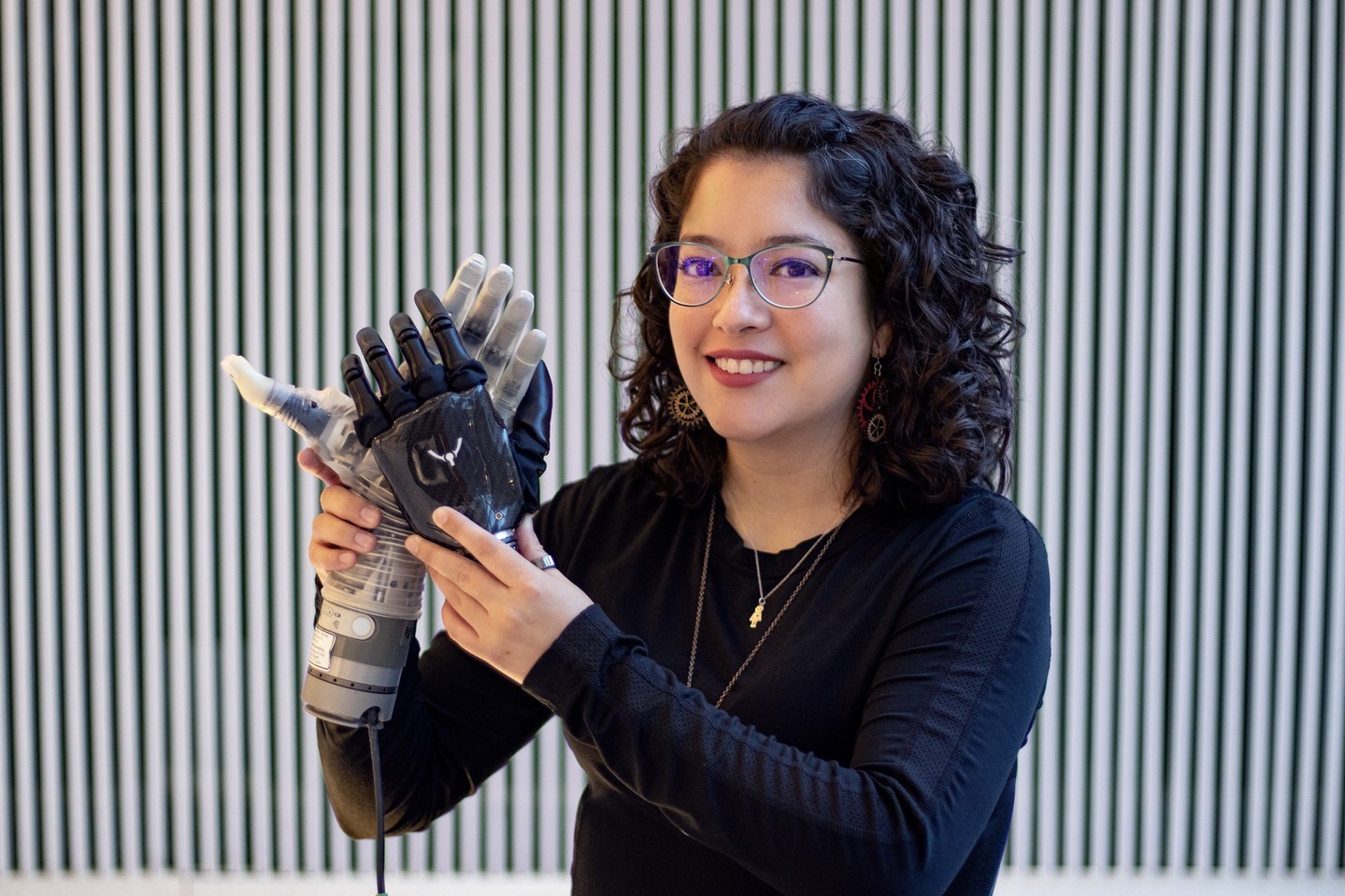
Shaniel Bowen
2023-2025 Postdoctoral Fellow for Engineering Excellence
-
Department
Institute for Medical Engineering and Science (IMES)
-
Lab
-
Research Area
Women’s sexual anatomy and health
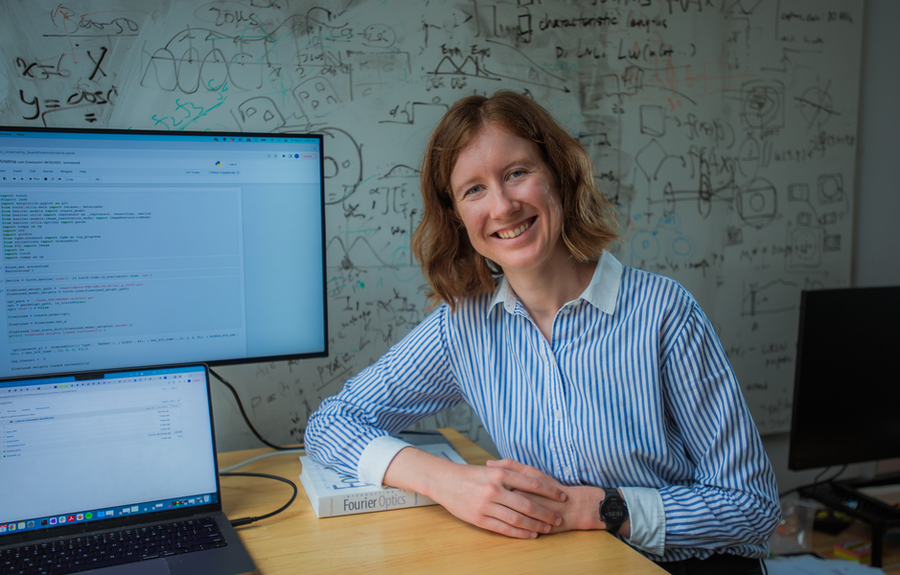
Kristina Monakhova
2022-2024 Postdoctoral Fellow for Engineering Excellence
-
Department
-
Lab
-
Research Area
Smart, computational cameras and microscopes for intelligent systems
-
Current Role
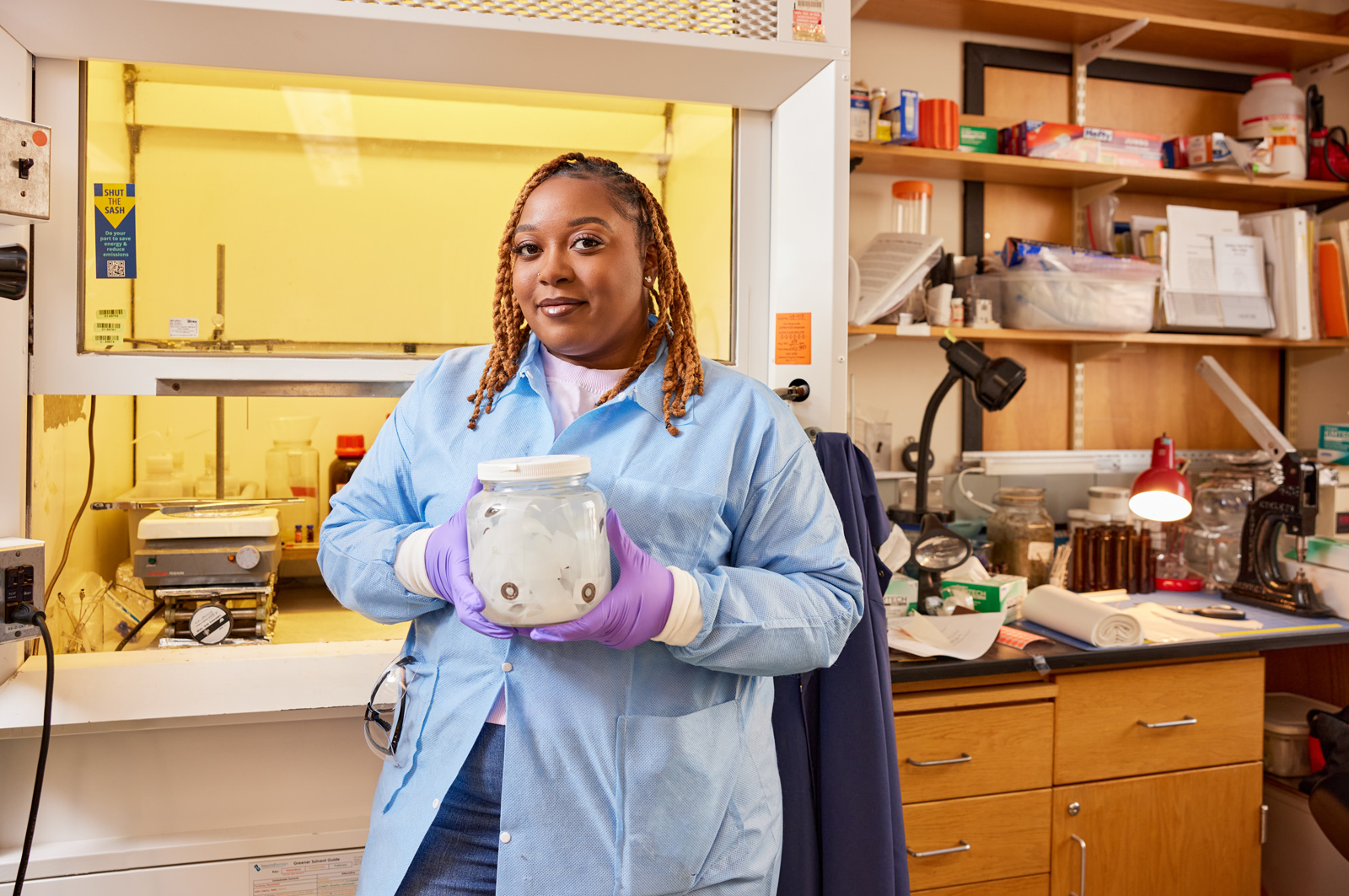
Moala Keshei Bannavti
2023-2025 Postdoctoral Fellow for Engineering Excellence
-
Department(s)
-
Lab
-
Research Area
Air-borne levels of polychlorinated biphenyls (PCBs)
Why become an Engineering Excellence Fellow?
The MIT Postdoctoral Fellowship Program for Engineering Excellence is a career-defining opportunity for recent PhD graduates ready to contribute to breakthroughs that have real-world impact. Through mentorship, professional development, and access to MIT’s world-class research environment, fellows gain the skills, networks, and perspective to lead in academia, industry, and beyond.
Engineering Excellence Fellows:
- Conduct cutting-edge research alongside MIT’s world-renowned faculty, tackling some of the most complex challenges in engineering.
- Gain the skills and confidence to shape the future of their fields through technical training, mentorship, and professional development.
- Form meaningful connections and build networks that last well beyond their time at MIT through collaborative cohorts, regular workshops, and social gatherings.


Professional Development
The program delivers a dynamic and integrated approach to professional development, equipping fellows with the tools to thrive across disciplines and sectors. Career-building opportunities open to program fellows include:
- Targeted workshops and seminars on navigating job applications, building collaborative networks, and addressing systemic challenges in academia and industry.
- Experiential workshops organized by the Daniel J. Riccio Graduate Engineering Leadership Program focused on building inclusive teams, making ethical decisions, and inspiring others through effective leadership.
- Practical insights into commercializing ideas, assembling teams, and identifying market opportunities from leading experts at the Martin Trust Center for MIT Entrepreneurship.
Eligibility
The MIT Postdoctoral Fellowship Program for Engineering Excellence welcomes applications from:
- Graduate students who are within a year of finishing their PhD (all applicants must have completed their PhD by July 2026)
- Recent PhD recipients within one year of PhD degree conferral from November 2025.
We strongly encourage individuals from backgrounds less represented in science and engineering to apply, including those who identify as African American/Black, Hispanic/Latinx, Native American or Alaska Native, and Native Hawaiian or Pacific Islander.
All applicants will be considered equitably, without regard to race or ethnicity.
We encourage applicants with the potential to bring to one’s academic career the critical perspective that comes from a non-traditional educational background, including, for example, through:
- Attendance at schools in underserved, under-resourced, rural, or urban communities or with low admittance rates to top-tier institutions.
- Participation in higher education pipeline programs known to prepare students for the relevant MIT program.
- Communication skills and cross-cultural abilities to maximize effective collaboration with a diverse cross-section of the academic community.
- Demonstrated significant academic achievement by overcoming barriers such as economic, social, or educational disadvantage, including factors such as generational wealth, Pell Grant eligibility or similar governmental or institutional funding for students with exceptional financial need, qualification for free/reduced lunch, first-generation to college, or parent(s) level of education.
- Demonstrated experience and potential to navigate and contribute to an educational environment representing a broad range of backgrounds and perspectives.
- Academic service advancing equitable access to higher education.
- Leadership experience advancing belonging, achievement, and composition.
- Research interests focused on underserved populations and understanding issues of inequalities. For example: research that addresses topics such as race, gender, diversity, and inclusion; research that addresses health disparities, educational access and achievement, political engagement, economic justice, social mobility, civil and human rights, and other questions affecting historically underrepresented groups; artistic expression and cultural production that reflects culturally diverse communities or voices not well represented in the arts and humanities.
Current Fellows: Cohort 4


Past Fellows
2024-2025
2023-2024
- Moala Keshei Bannavti
- Elana Ben-Akiva
- Shaniel Bowen
- Farhana Easmin
- Michael Hagenow
- Ronald Henry Heisser
- Juanita Hidalgo
- Jeong Hee “Jenn” Kim
- Sumin Kim
- Kiana Naghibzadeh
- Crystal E. Owens
- Abriana Stewart-Height
- Jiawei Zhang
Team


Contact
For questions about the MIT Postdoctoral Fellowship Program for Engineering Excellence, please contact: soe-pfpfee@mit.edu.