Chemical Engineering
Course 10
MIT’s Department of Chemical Engineering(ChemE/Course 10) takes the chemical principles governing the world around us and applies it to solve real and pressing problems in society.
Technical Skills
- Process design and simulation
- Reaction engineering
- Control and data fluency
- Hands-on laboratory experience
Common Careers
- Clean energy and sustainability
- Pharma and Biotech
- Tech, Data & AI-driven engineering
- Manufacturing and operations leadership
- Consulting and Entrepreneurship




About
In Course 10 at MIT, we equip our students with the fundamental knowledge and practical skill needed to address problems as big as climate change and as small as a single molecule. Intimately linked with the fundamental subjects of chemistry, biology, mathematics, and physics — and in close collaboration with fellow engineering disciplines like materials science, computer science, and mechanical, electrical, and civil and environmental engineering — chemical engineering offers unparalleled opportunities to do great things.
Today’s chemical engineers are spearheading new developments in sustainability, energy, medicine, biotechnology, microelectronics, advanced materials, consumer products, and manufacturing. A new generation of chemical engineering-trained entrepreneurs are forming innovative new businesses, focused on addressing today’s global issues, from carbon capture, to sustainable alternatives to petroleum products, to reversing hearing loss.
People with undergraduate and graduate chemical engineering degrees go on to work in industry, academia, consulting, law, medicine, finance, and other fields. For more information, the American Institute of Chemical Engineers (AIChE) offers an online database that lists the companies that are the most prolific hirers of its members. The Chemical Engineers in Action site shows the variety of things that chemical engineers can do.
ChemE Degrees
Undergraduate
-
Course 10-B Bachelor of Science in Chemical-Biological Engineering — Focus on the application of chemical engineering in biochemical and biomedical technologies.
-
Course 10-ENG Bachelor of Science in Engineering — A flexible program of core chemical engineering components with concentrations for specific relevant areas in the field. Students can choose from seven established concentrations (biomedical, energy, computations, environment & sustainability, manufacturing design, materials, or process data analytics) or work with their advisor to develop a personalized program that suits their interest.
-
Course 10-C Bachelor of Science — For students who wish to specialize in a different academic area while simultaneously learning chemical engineering principles.
Graduate
- Doctor of Philosophy (PhD/ScD)
- Doctor of Philosophy in Chemical Engineering Practice (PhDCEP)
- Master of Science in Chemical Engineering Practice (MSCEP)
Faculty Spotlights
All ChemE Faculty
Connor W. Coley
Class of 1957 Career Development Professor; Department of Chemical Engineering; Department of Electrical Engineering and Computer Science
-
Chair
Class of 1957 Career Development Professor
-
Department
-
Lab
-
Research area
Autonomous discovery, machine learning, laboratory automation, chemical synthesis, molecular design, drug discovery

Kate E. Galloway
Associate Professor
-
Department
-
Lab
-
Research area
Synthetic Biology, Molecular Systems Biology, Stem Cells, Cellular Reprogramming, 3D Genome Organization & Structure, Single-cell Analytics, Genetic Control Systems, Oncogenesis & Metastasis

Sungho Shin
Assistant Professor
-
Chair
Texaco-Mangelsdorf Career Development Professor
-
Department
-
Lab
-
Research area
Mathematical optimization; control theory; machine learning; high-performance computing; process systems engineering; energy systems
Why Choose ChemE?
Chemical engineering is the major for students who want to make a real impact on the world – not someday, but starting now. As a chemical engineer, you learn how to take ideas from the lab and turn them into technologies that change lives at scale. You’ll gain a deep foundation in chemistry, physics, biology, and mathematics, and then learn to use that knowledge to design processes that produce medicines, clean energy, advanced materials, and everyday products that billions of people rely on. You’ll master thermodynamics and transport phenomena – the principles that explain how the universe moves heat, fluids, and energy – and apply them to build systems that are safer, more efficient, and more sustainable.
Today’s students learn computational tools, data science, and even generative AI to simulate and optimize complex systems before they are built. This means you graduate equipped to help decarbonize our planet, accelerate the development of new therapies, create smarter manufacturing, and push forward innovations in semiconductors, batteries, and biotechnology.
What truly sets chemical engineering apart is the flexibility and reach of the degree. Our graduates become leaders in industry, research, policy, entrepreneurship, and beyond. They make a difference in the world’s most critical sectors and have the freedom to change directions as new challenges emerge. If you’re excited by big problems and want a toolkit powerful enough to solve them, chemical engineering is the place for you. It’s where your curiosity becomes innovation, and where your innovation becomes impact.
Chemical Engineering First Year Orientation
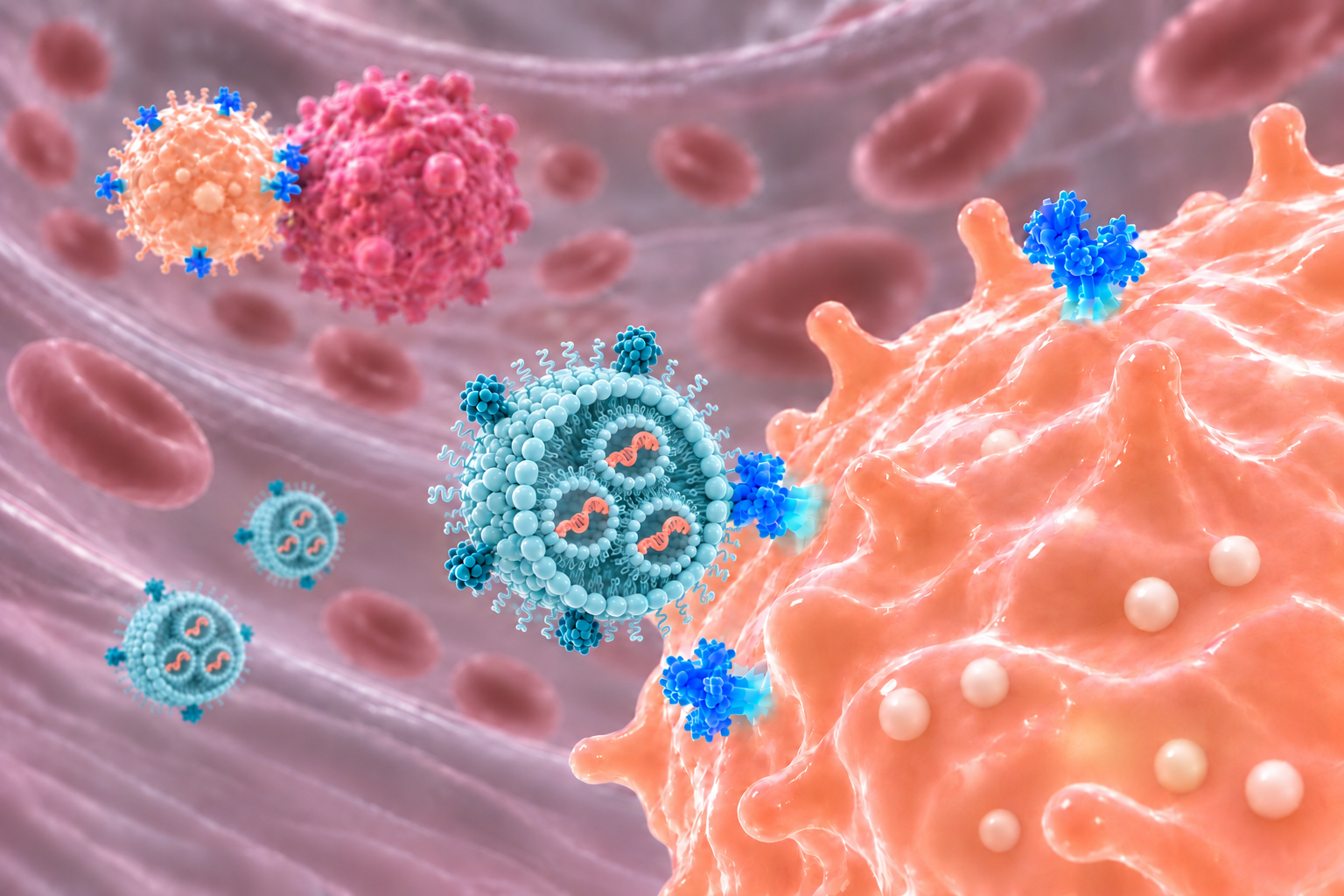
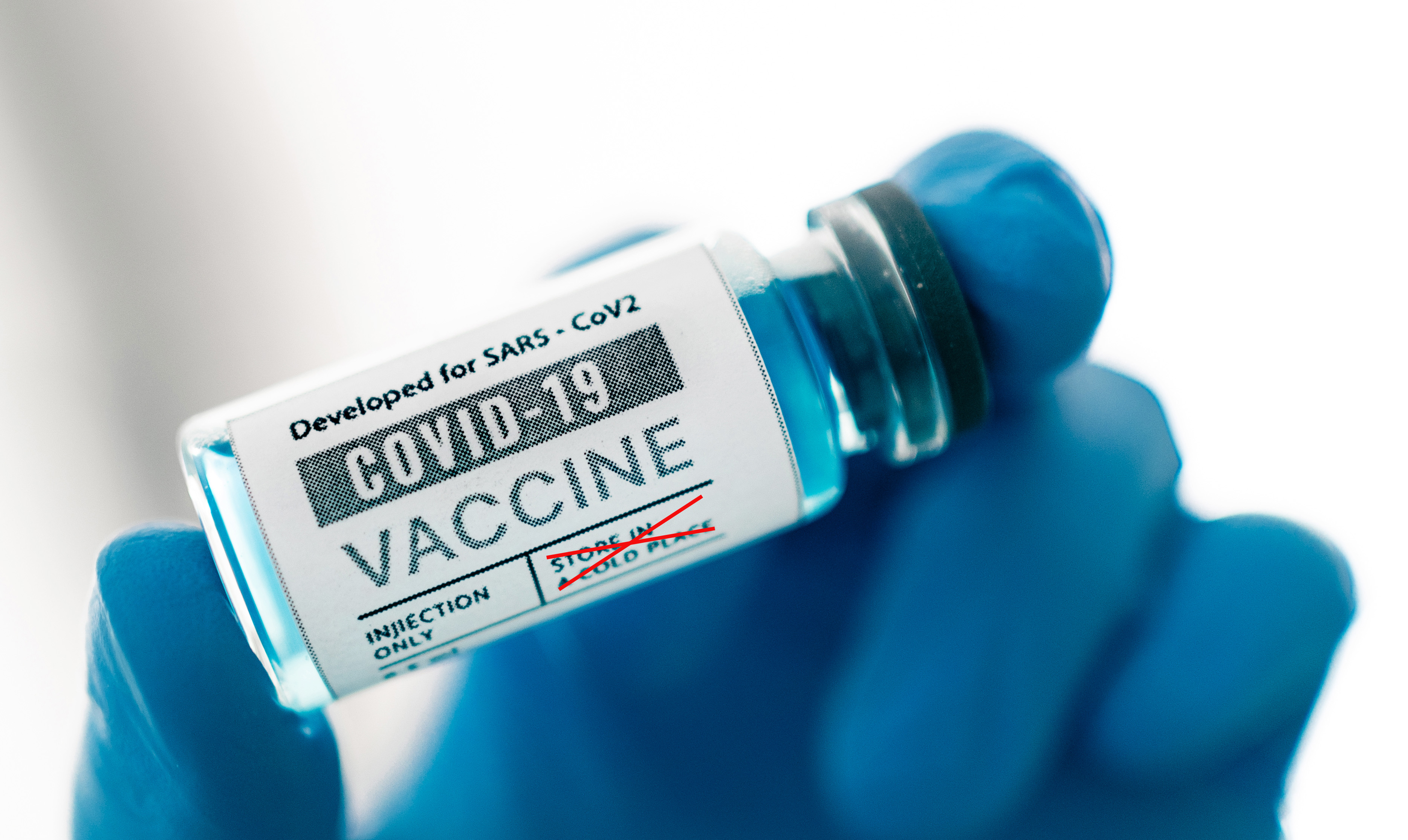
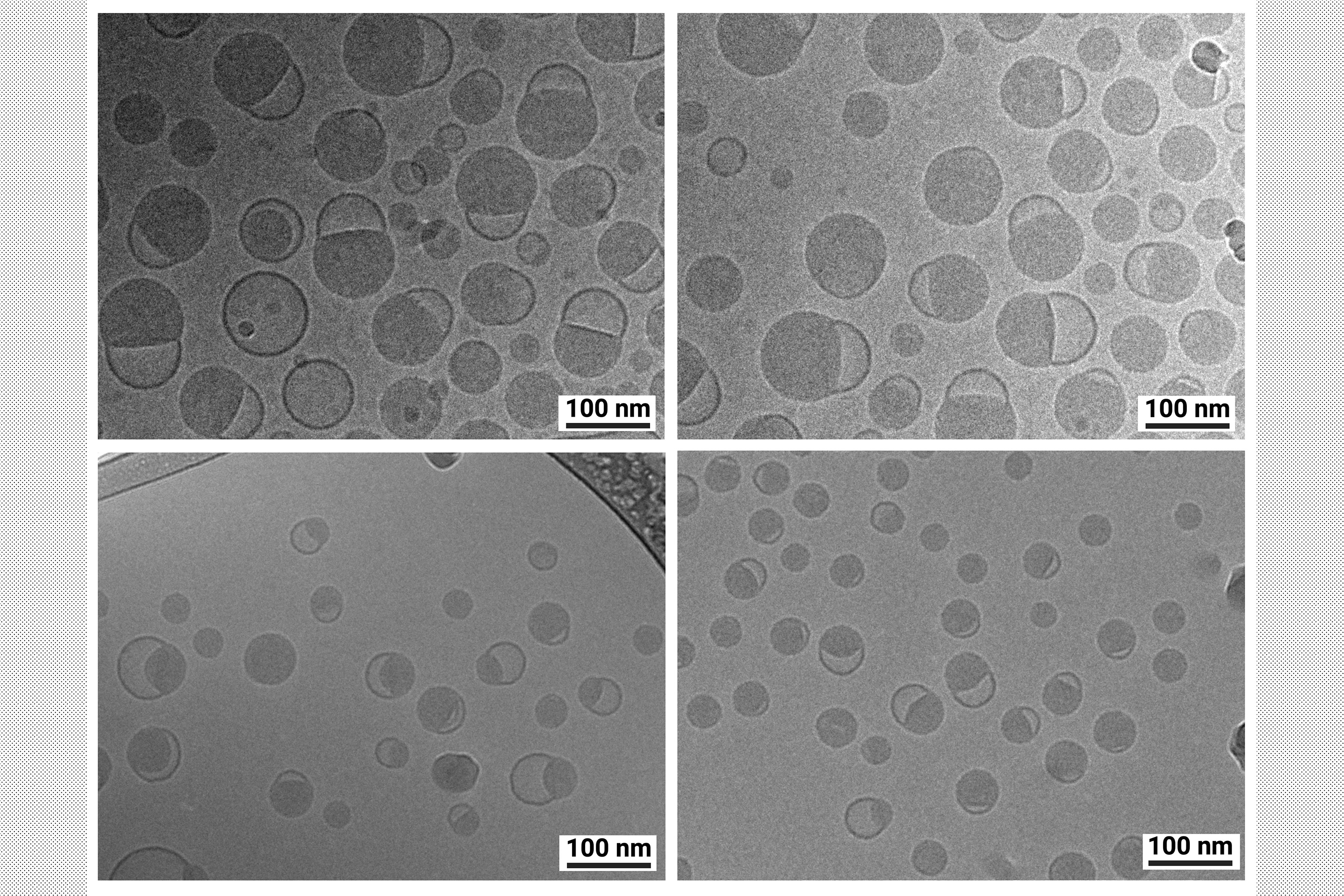
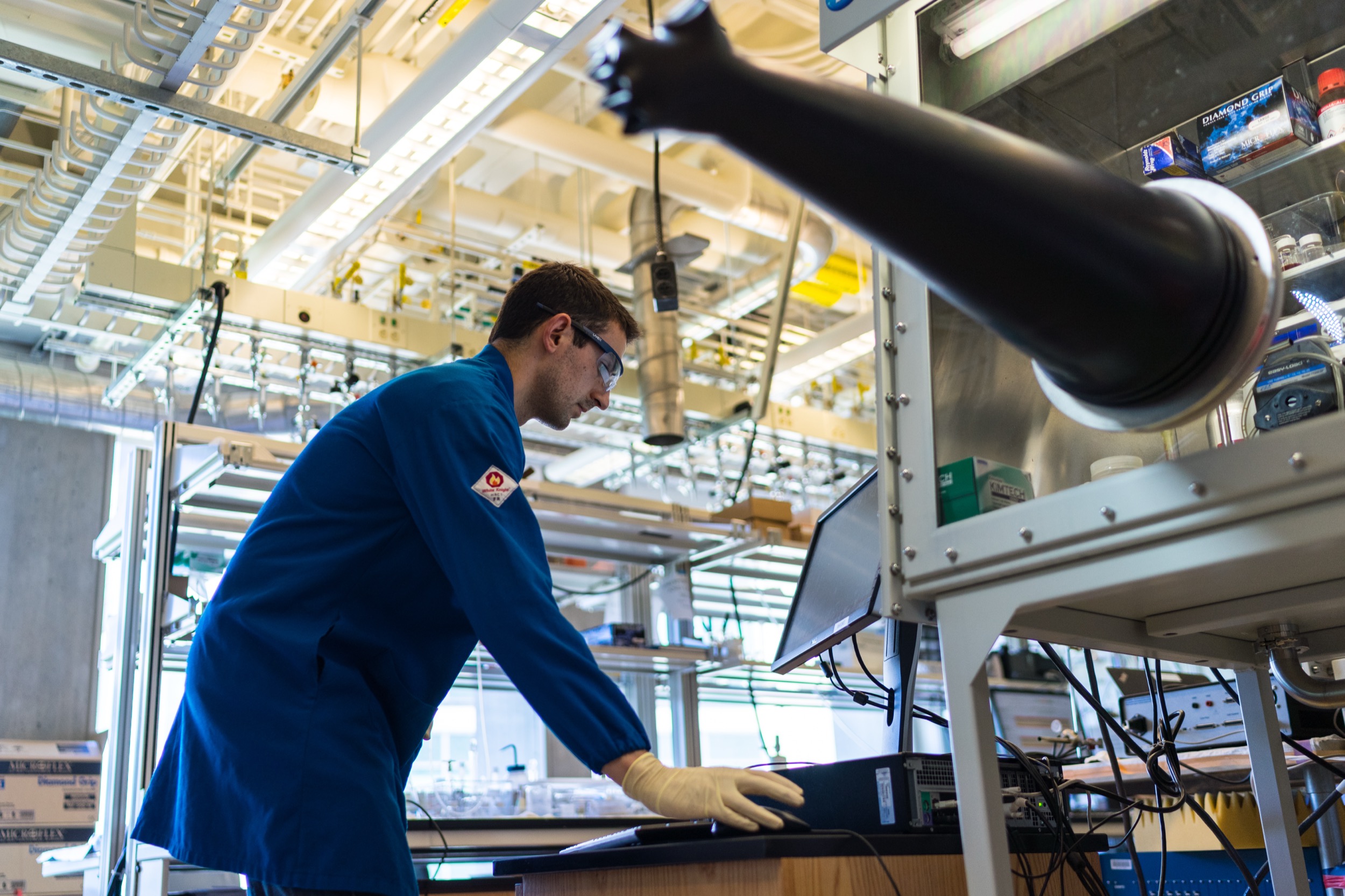
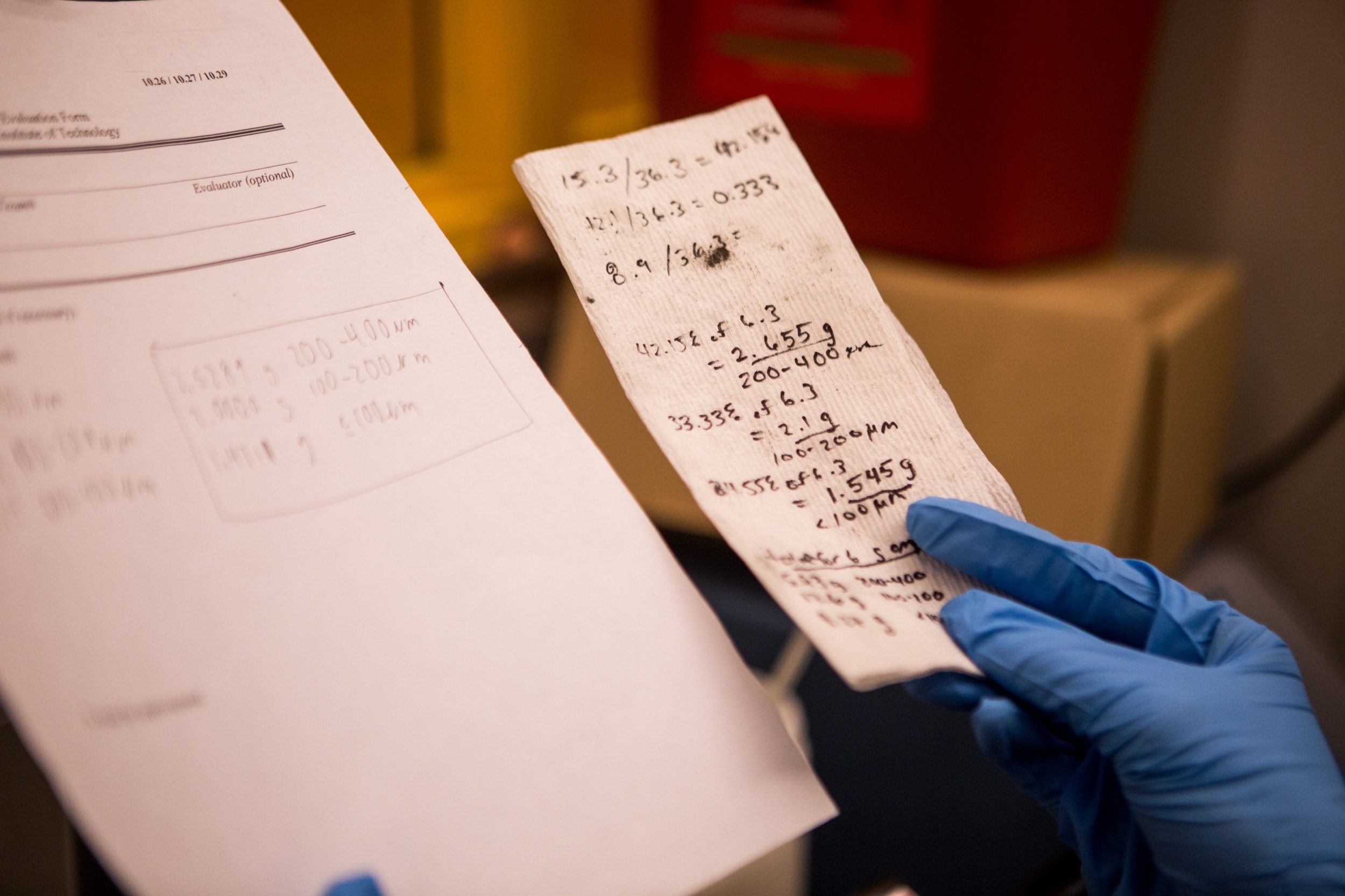


MIT introduced the first chemical engineering degree in the U.S. in 1888, and continues to apply cutting edge research to address the world’s challenges in health, energy, and other areas.
Class Highlights
- 10.00 Molecule Makers
- 10.000 Engineering Molecular Marvels: Careers and ChemE at MIT
- 10.A01 Hands-on Making in Chemical Engineering
- 10.10 Introduction to Chemical Engineering
- 10.490 Integrated Chemical Engineering
Student Groups
Resources
ChemE prepares students and researchers to address global challenges while driving innovative and sustainable solutions for the future.