Aeronautics and Astronautics
Course 16
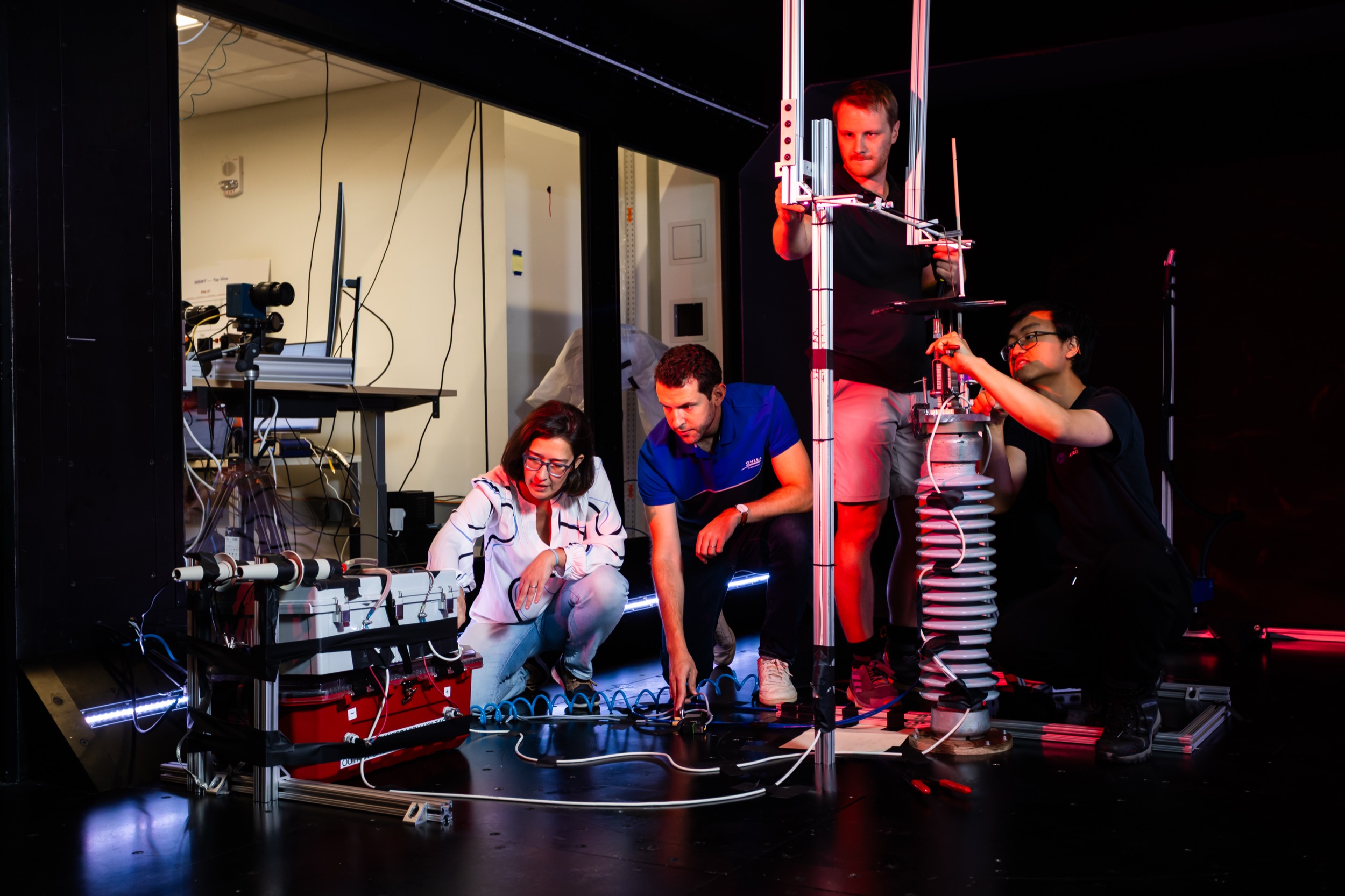
At MIT’s Department of Aeronautics and Astronautics (AeroAstro/Course 16), we look ahead by looking up. At its core, aerospace empowers connection — interpersonal, international, interdisciplinary, and interplanetary.
Technical Skills
- Aerodynamics
- Propulsion
- Space Systems
Common Careers
- Aerospace engineer
- Astronaut
- Entrepreneur



About
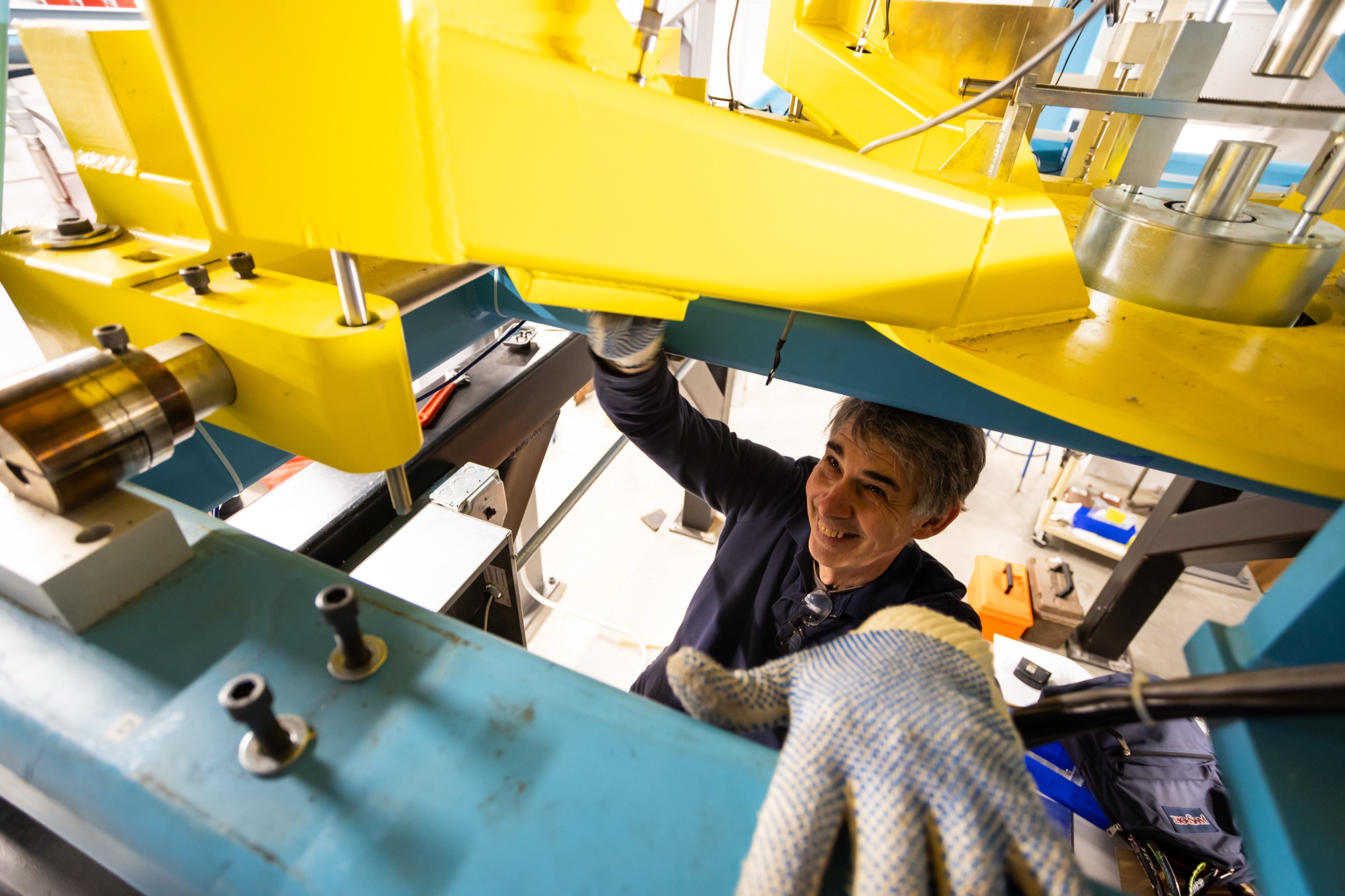
MIT’s Department of Aeronautics and Astronautics seeks to foster an inclusive community that values technical excellence, and we research and engineer innovative aerospace systems and technologies that have a world-changing impact. We educate the next generation of leaders, creative engineers, and entrepreneurs who will push the boundaries of the possible to shape the future of aerospace.
AeroAstro Degrees
Undergraduate
- Bachelor of Science in Aerospace Engineering (Course 16), accredited by the Engineering Accreditation Commission of ABET, under the commission’s General Criteria and Program Criteria for Aerospace Engineering
- Bachelor of Science in Engineering (Course 16-ENG), accredited by the Engineering Accreditation Commission of ABET, under the commission’s General Criteria for Engineering.
Graduate
- Master’s Degree (SM)
- Doctoral Degree (PhD or ScD)
- Interdisciplinary Doctoral Program in Statistics (PhD)
- Interdisciplinary Doctoral Program in Air Transportation (PhD)
- Interdisciplinary Doctoral Program in Bioastronautics (PhD)
- Certificate in Aerospace Innovation
Why Choose AeroAstro?
AeroAstro has been named the top program in aerospace engineering in the world for both graduate and undergraduate studies for over a decade. AeroAstro grads go on to become engineering leaders in the corporate world, in government service, and in education. Our alumni are entrepreneurs who start their own businesses; they are policy-makers shaping the direction of research and development for years to come; they are educators who bring their passion for learning to new generations; they are researchers doing transformative work at the intersection of engineering, technology, and science.
Whether you are interested in aviation and its impact on the environment, next-generation propulsion systems that will propel us to new heights and new worlds, or programming autonomous drones to execute search-and-rescue missions, when you are pushing boundaries to shape the future of aerospace, anything is possible



Labs and Spaces
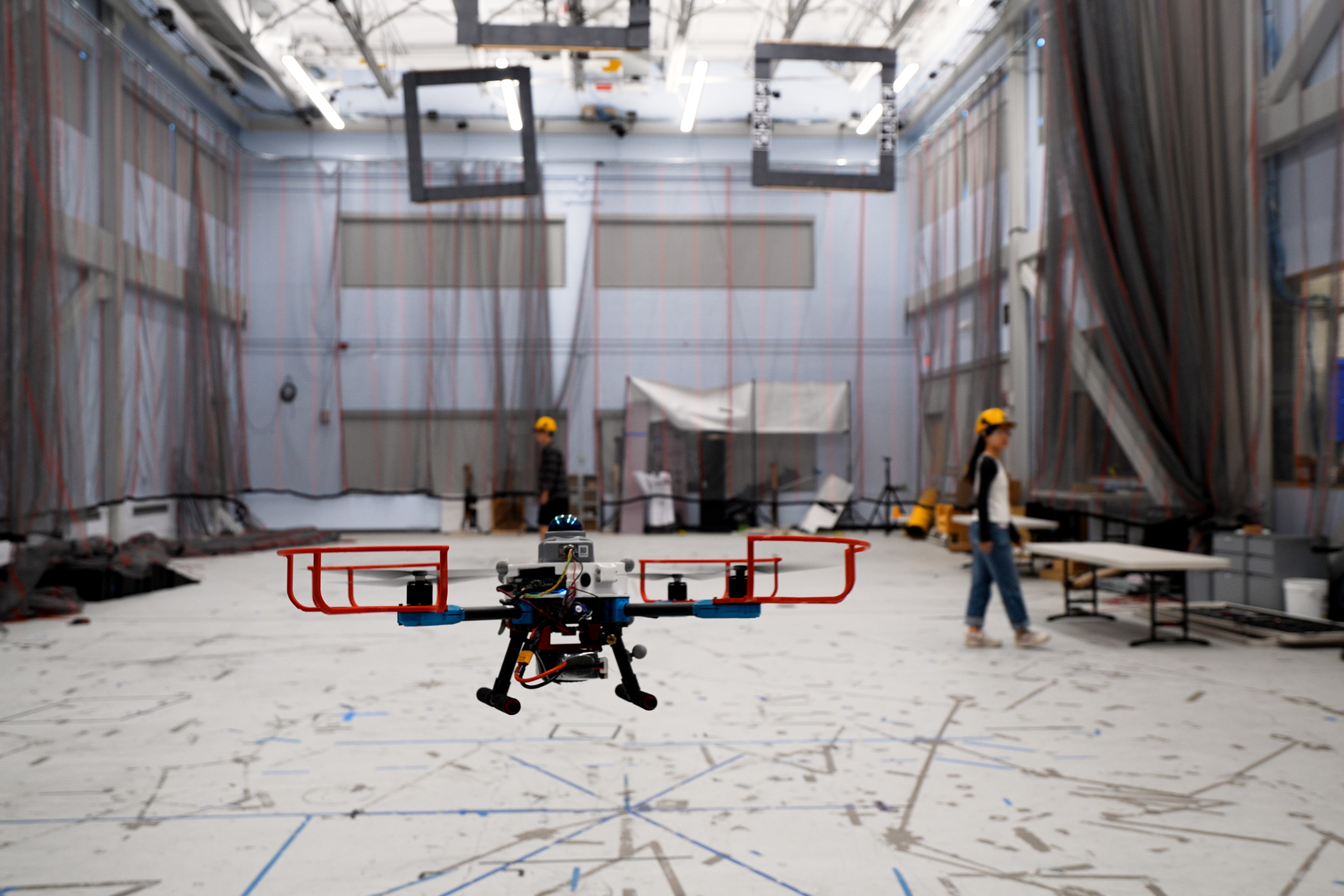
Design and Testing of Autonomous Vehicles
In 16.85 Autonomy Capstone (Design and Testing of Autonomous Vehicles), AeroAstro students build software that allows autonomous flight vehicles to navigate unknown environments.
Class Highlights
- 16.001-16.004 Unified Engineering
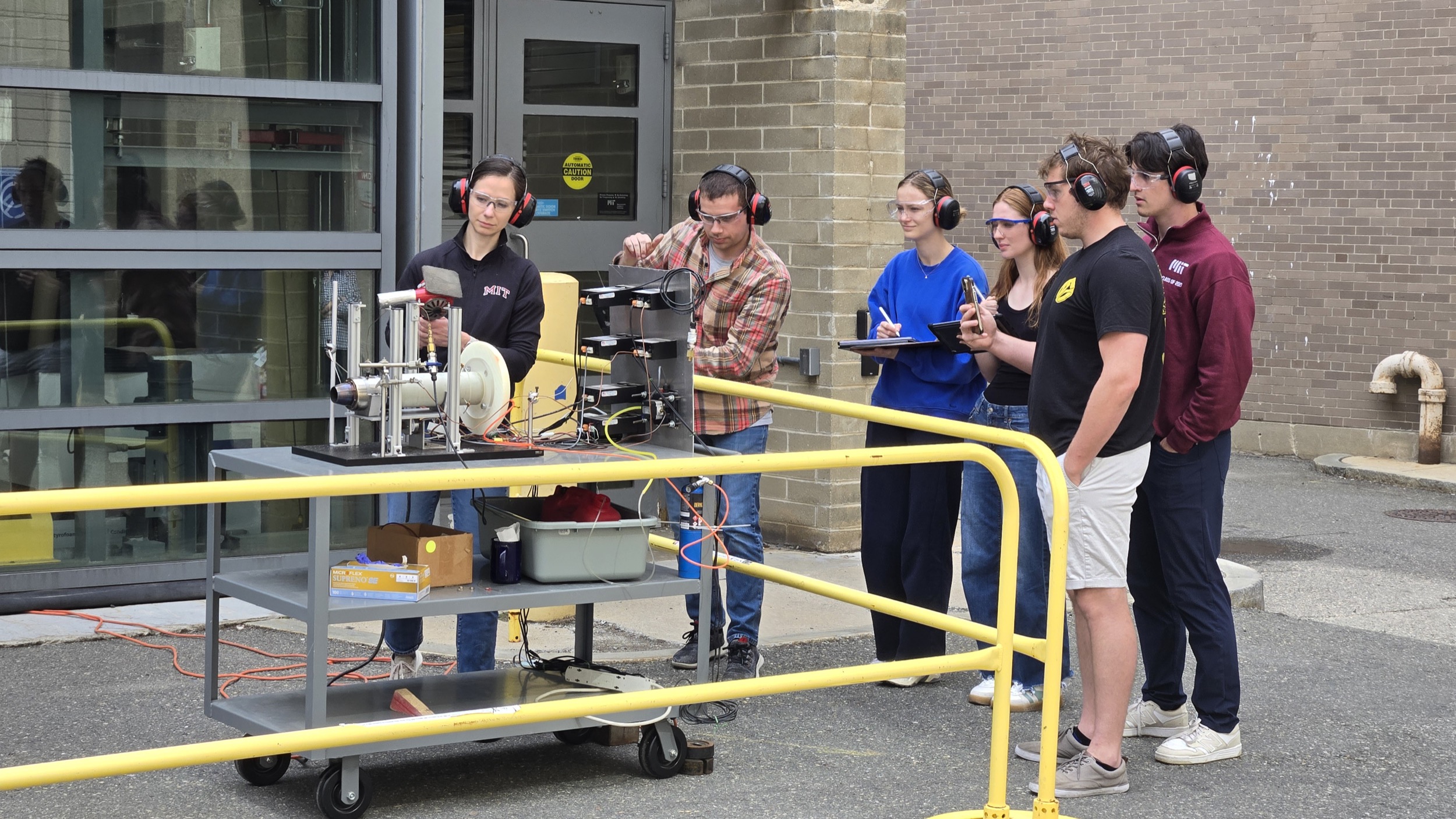
- 16.811 Propulsion System Prototyping & Testing for Aerospace Engineers
- 6.821 Flight Vehicle Development & 16.82 Flight Vehicle Engineering
- 16.831 Space Systems Development
- 16.85 Design & Testing of Autonomous Vehicles
Student Groups
Resources
Pushing the boundaries of the possible to shape the future of aerospace
