Biological Engineering
Course 20
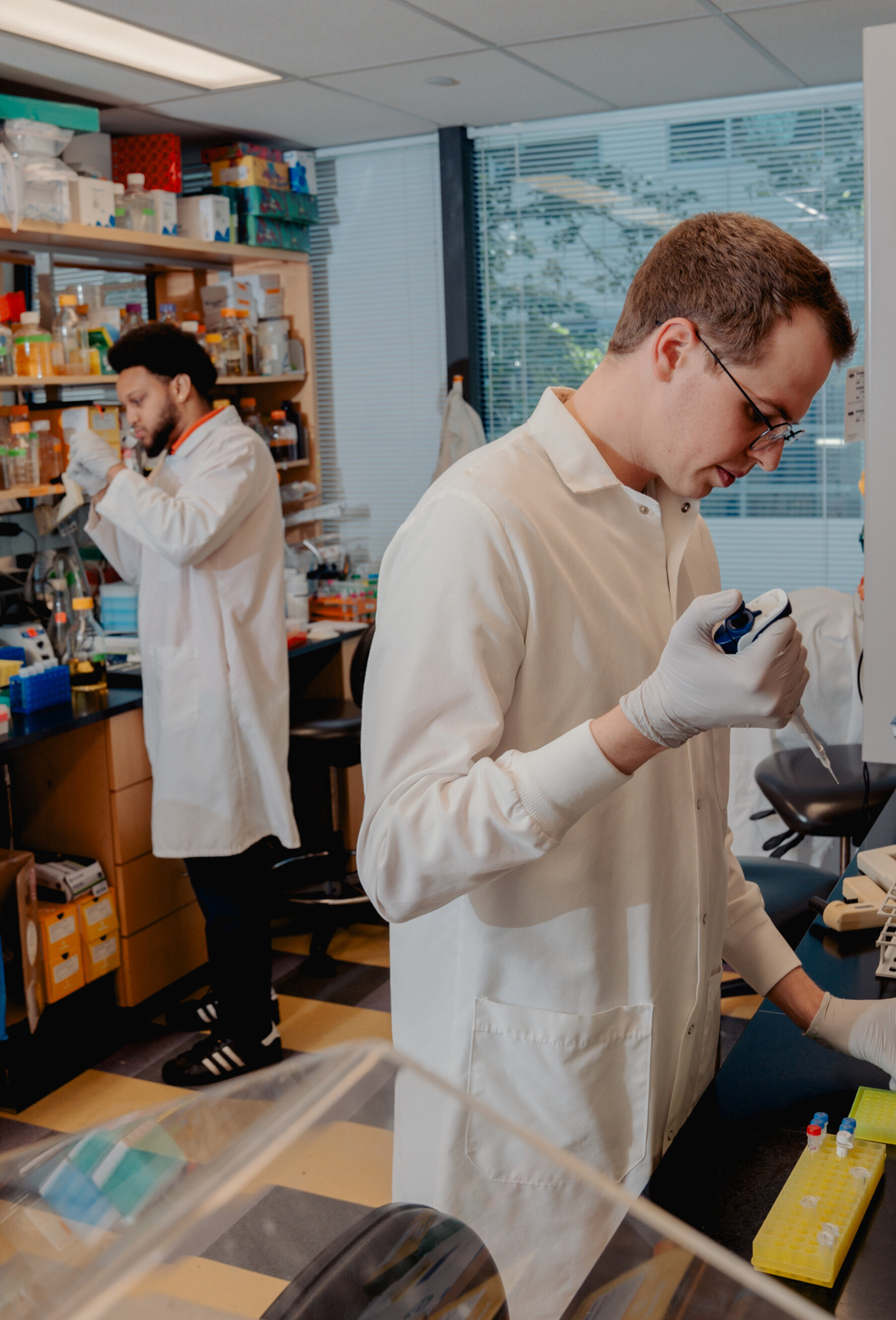
By applying engineering principles to study and shape biological systems, biological engineers aim to improve society through innovations in agriculture, environment, health, and medicine.
Technical Skills
- Quantitative & engineering analysis
- Measurement, instrumentation, & data analysis
- Design & synthesis of engineered biological systems
- Research & development
Common Careers
- Bio-engineer / Scientist
- Founder
- Medical Doctor
- Consultant
About
The premise of MIT’s Department of Biological Engineering (BE/Course 20) is that the science of biology is as important to the development of technology and society in the 21st century as physics and chemistry were in the 20th century, and that an increasing ability to measure, model, manipulate, and mine properties of biological systems at the molecular, cellular, and multicellular levels will continue to shape this development.
BE Degrees
Undergraduate
- Course 20 Bachelor of Science in Biological Engineering
Graduate
- Master of Engineering in Biomedical Engineering (MEBE)
- Doctoral Degree (PhD)
Why Choose Biological Engineering?
Research areas in which BE faculty are recognized as pioneering leaders include:
- Cancer Biology
- Climate, Environment, and Toxicology
- Computational Systems Biology
- Immunoengineering
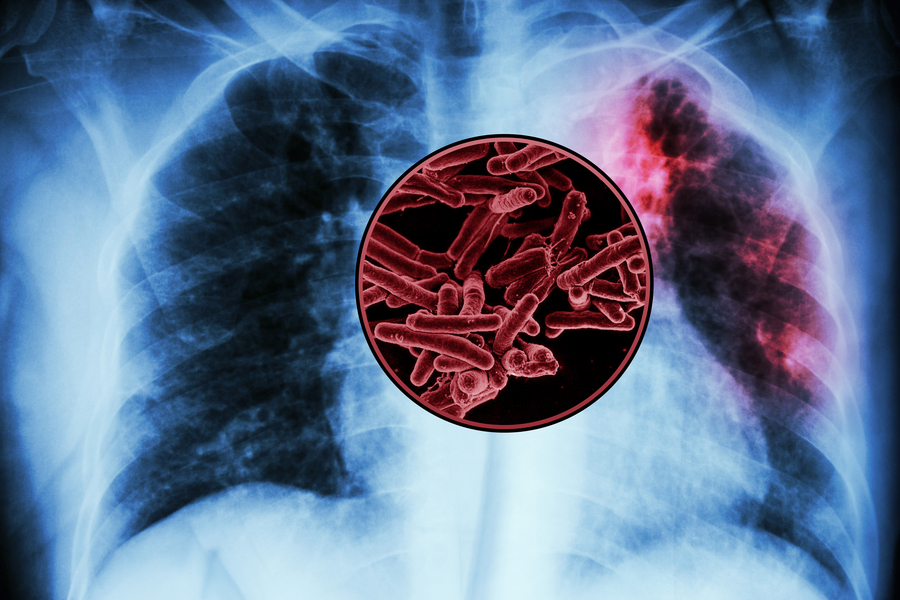
- Microbiome Engineering and Infectious Disease
- Neurobiology
- Synthetic Biology
- Tissue Engineering
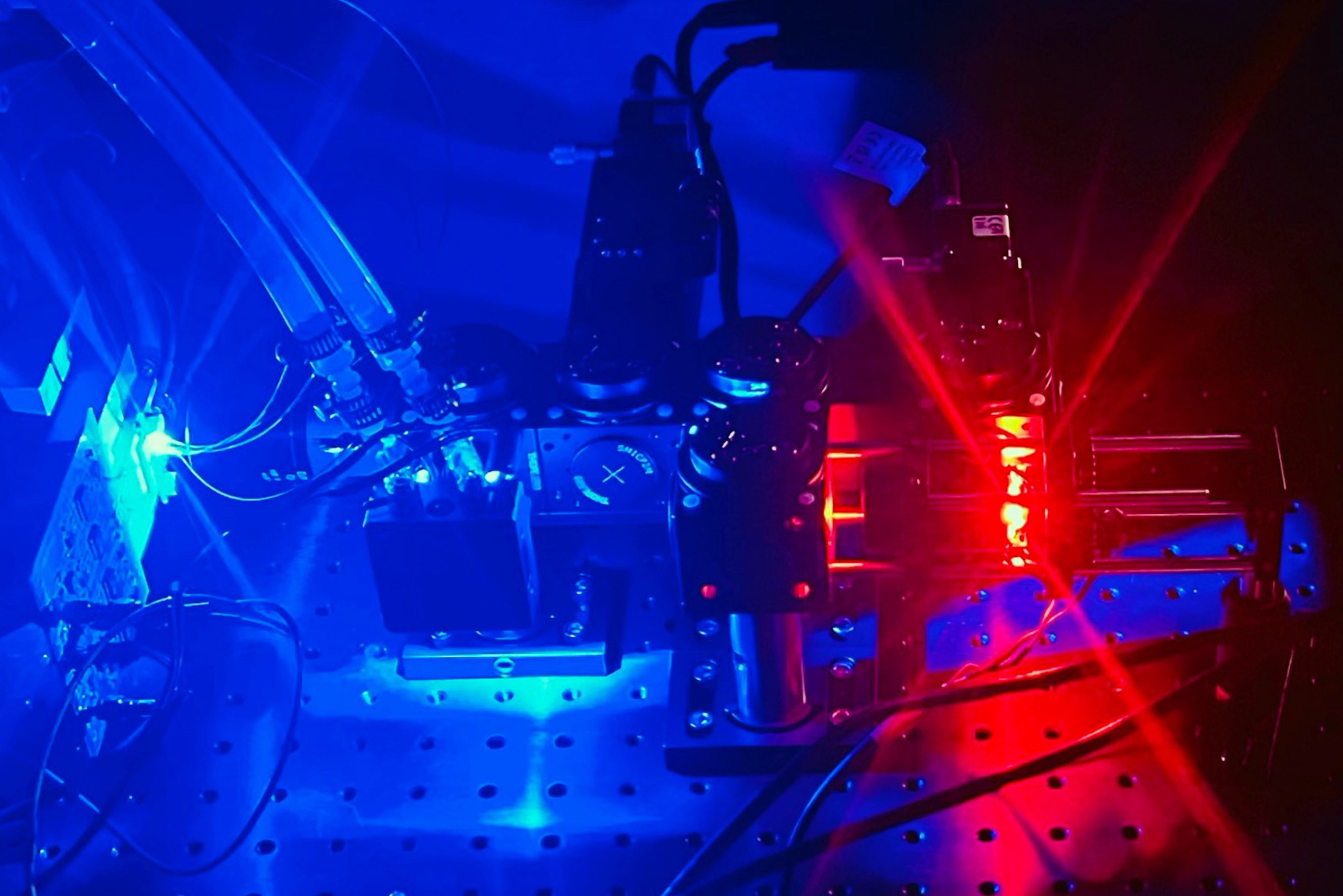
When harnessing the power of life, being able to see what’s going on at the microscopic level comes in handy. Maxine Jonas and Steven Wasserman are teaching faculty in the Department of Biological Engineering and co-instructors of 20.309, Instrumentation and Measurements for Biological Systems.
Faculty Spotlights
All BE Faculty
Linda Griffith
Professor
-
Chair
MIT School of Engineering Teaching Innovation Professor of Biological and Mechanical Engineering
-
Department
-
Lab
-
Research area
Biomolecular design; cancer biology; climate, environment, and toxicology; immunoengineering; microbiome engineering and infectious disease; tissue engineering; chemicals and materials
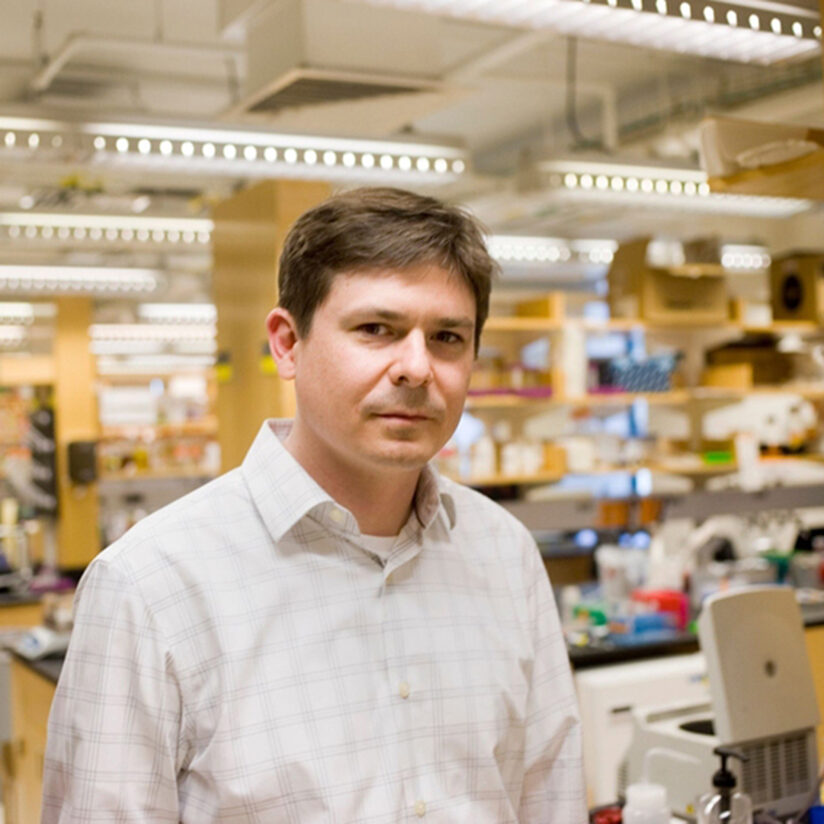
Christopher A. Voigt
Head, Department of Biological Engineering; Daniel I.C. Wang Professor
-
Title
Daniel I.C. Wang Professor; Department Head
-
Department
-
Lab
-
Research area
Computational Systems Biology; Microbiome Engineering and Infectious Disease; Synthetic Biology; Plant and Agriculture
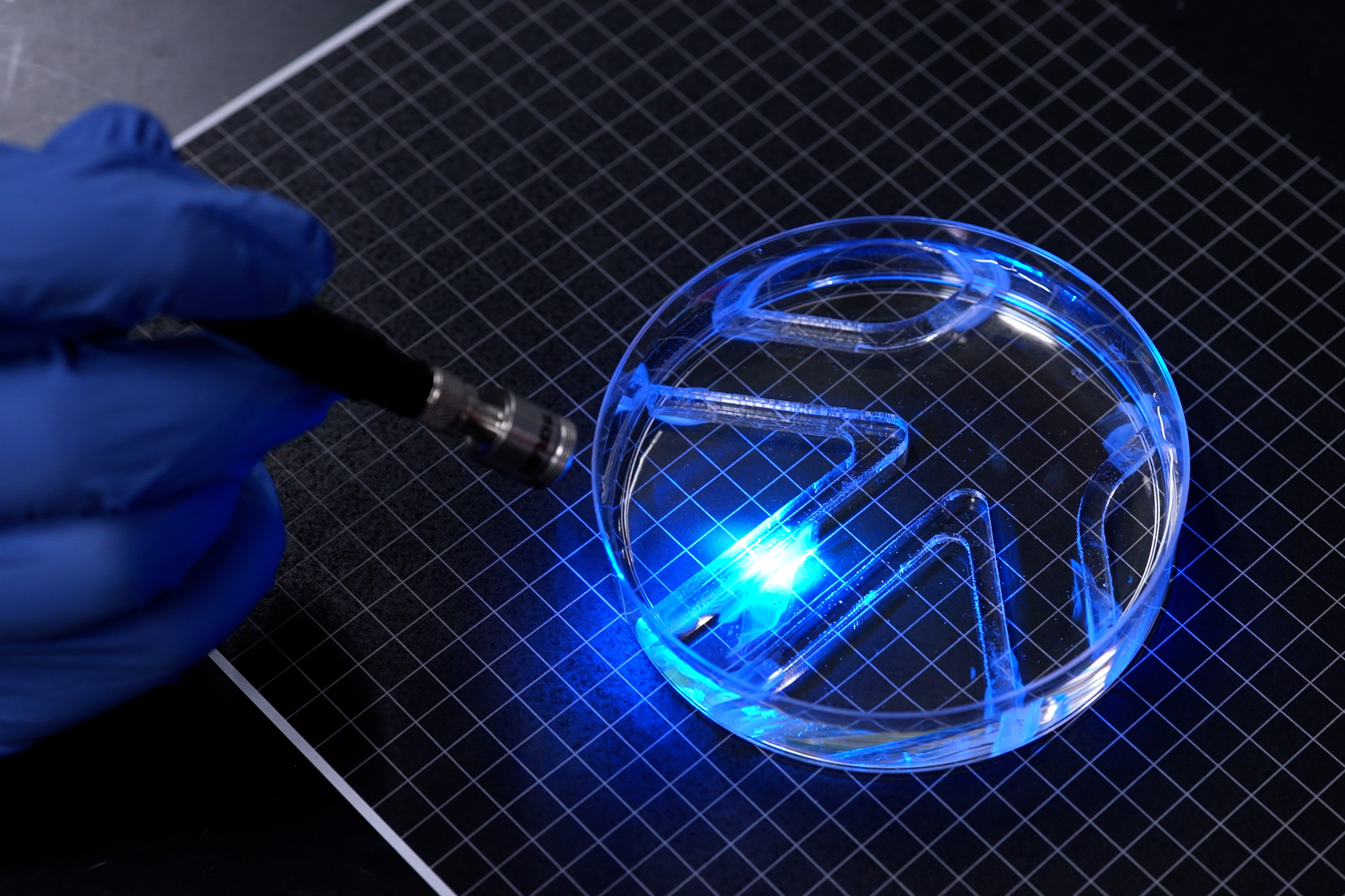



Meet synthetic biologist, Christopher Voigt. His research could offer critical new products in human health, agriculture, and chemicals. And ultimately, it could serve “as a mechanism for tackling some of the big problems of the world.”
Undergraduate Class Highlights
- 20.002 Introduction to Concepts in Biological Engineering
- 20.109 Laboratory Fundamentals in Biological Engineering
- 20.309 Instrumentation and Measurement for Biological Systems
- 20.380 Biological Engineering Design
Affiliated Research Labs and Centers
Resources
Applying engineering principles to study and shape biological systems