Materials Science and Engineering
Course 3
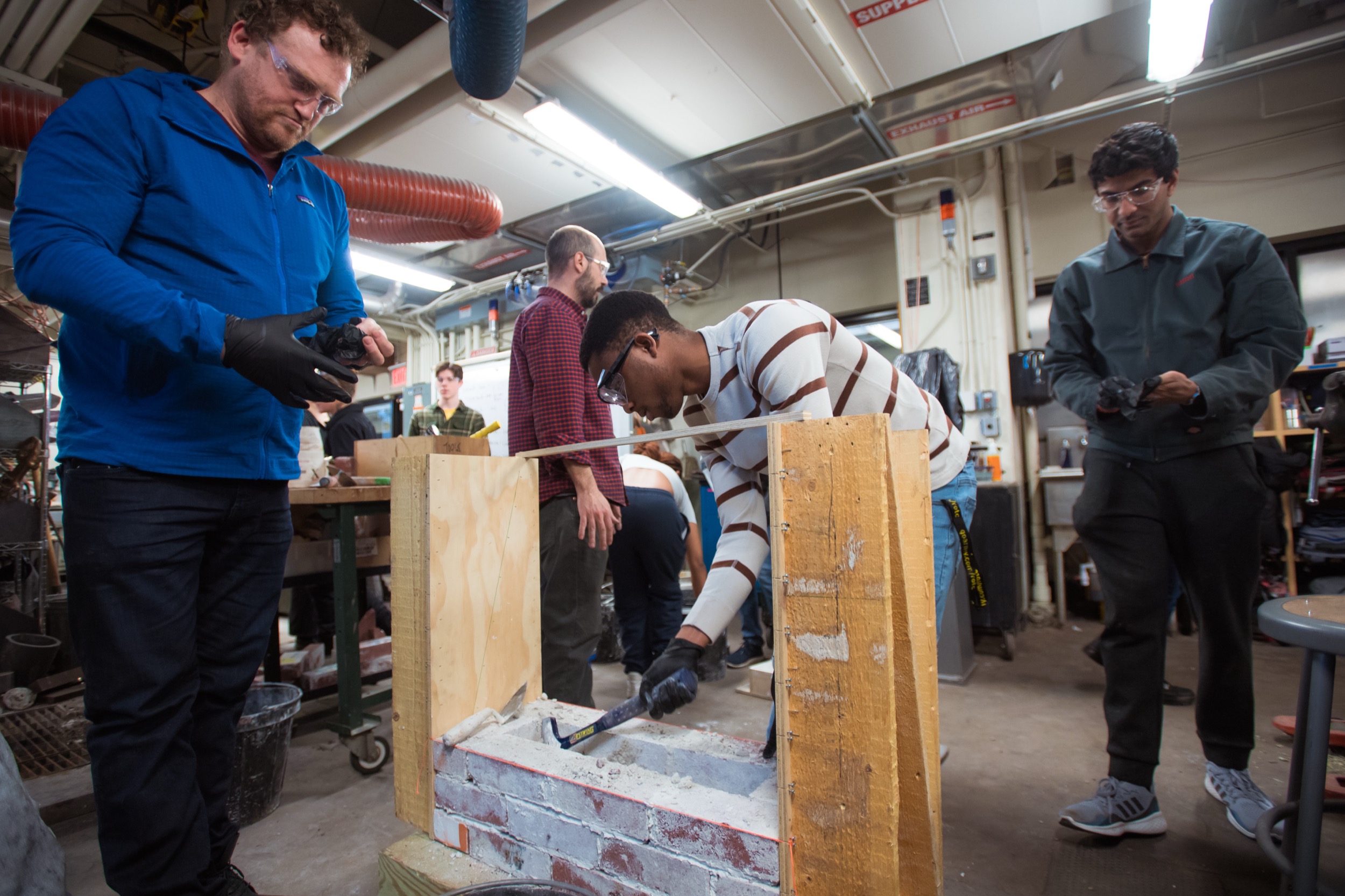
The MIT Department of Materials Science and Engineering (DMSE/Course 3) explores how the structure and properties of materials shape the world. Combining engineering, physics, and chemistry, students and researchers design materials that tackle real-world challenges in energy, health, computing, and more.
Technical Skills
- Design and prototyping
- Characterization
- Computational materials science
- Materials synthesis and processing
- Electronic, optical, and magnetic measurements
Common Careers
- Computational scientist
- Materials engineer
- Entrepreneur
- Data scientist/analyst
- Professor



About
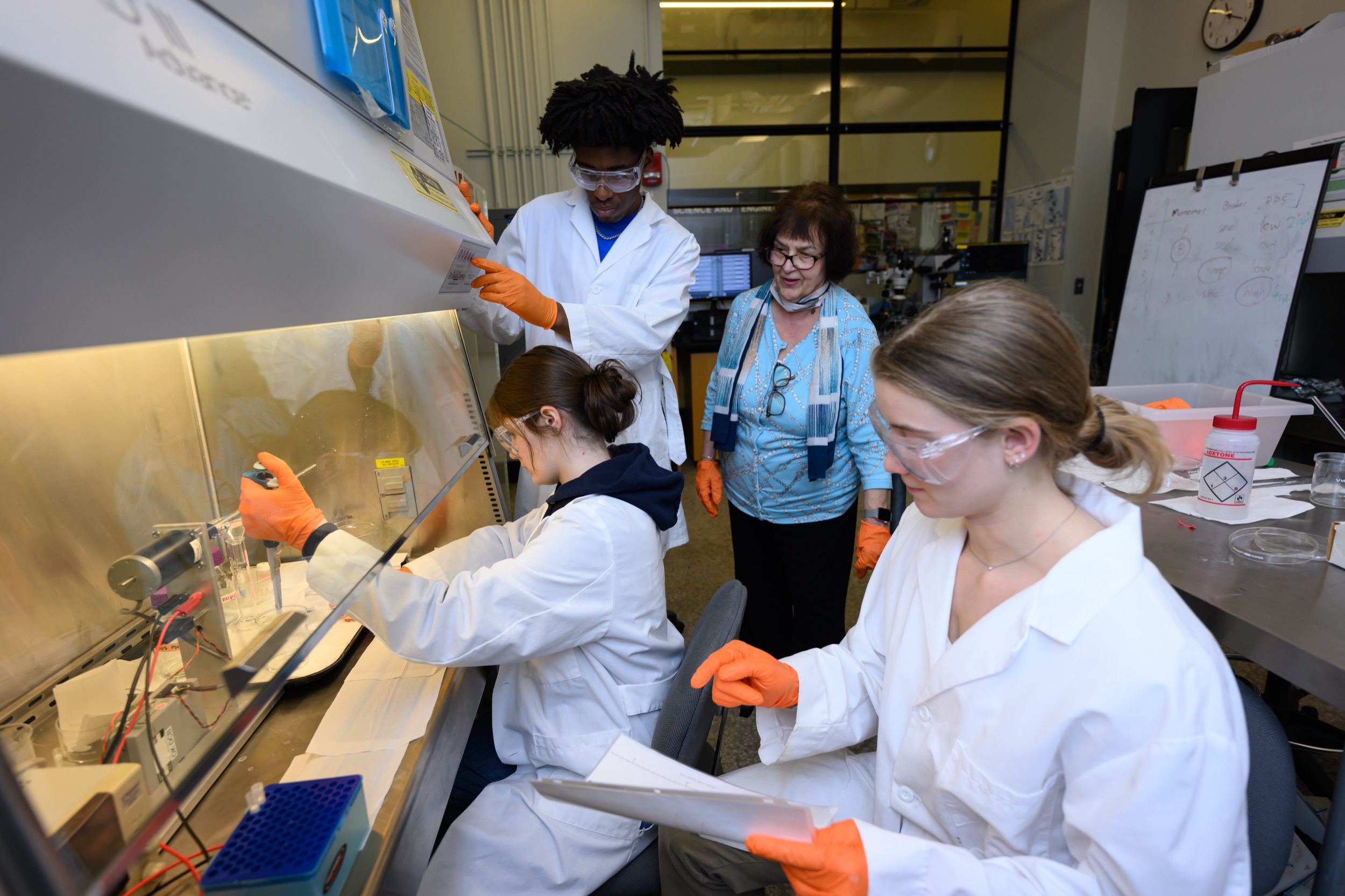
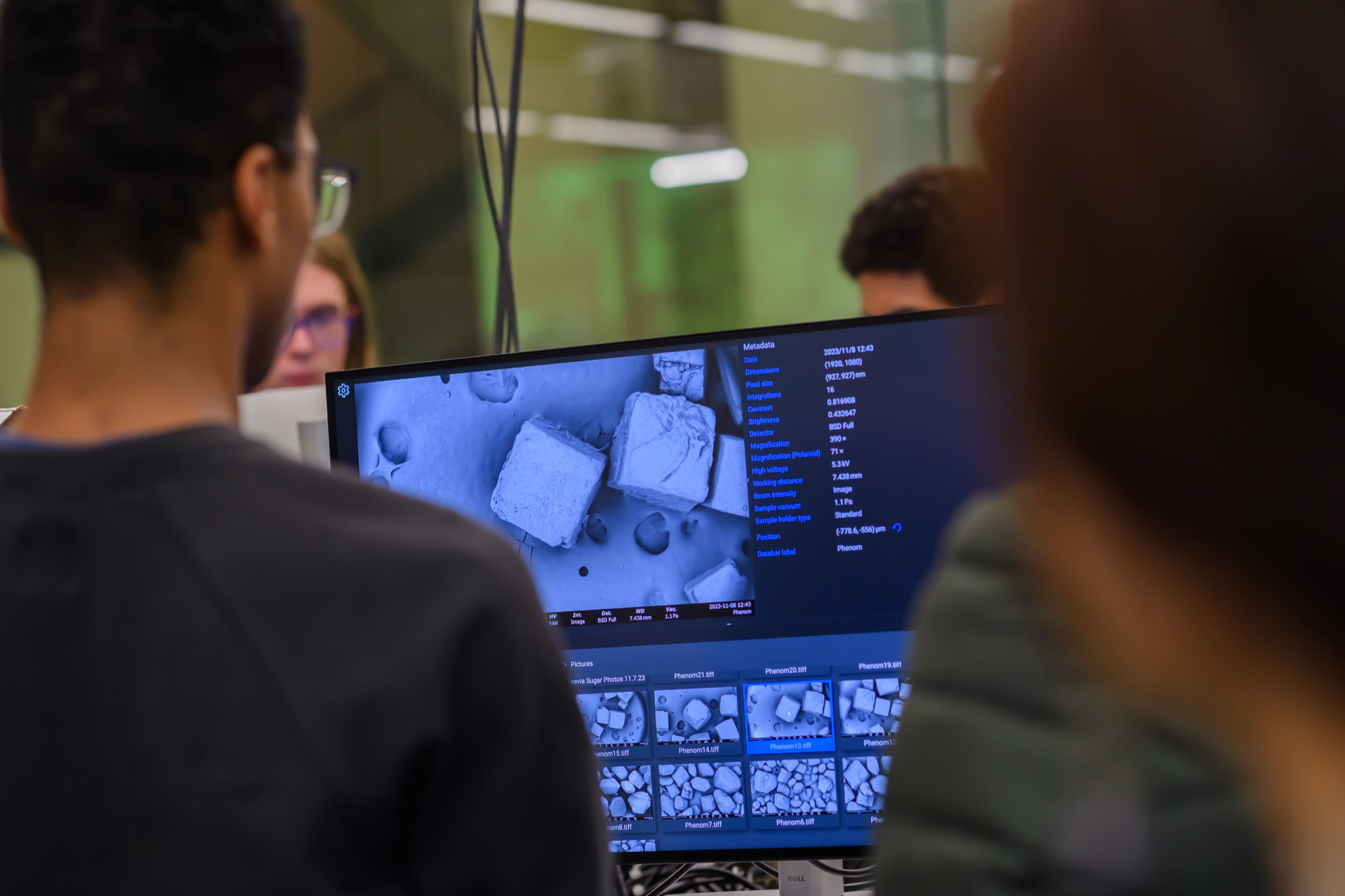
DMSE brings together engineering, physics, and chemistry to understand and design materials that tackle real-world challenges in energy, health, computing, and more.
DMSE Degrees
Undergraduate
- Course 3: Bachelor of Science in Materials Science and Engineering: Prepares students for careers in materials-related industries or for graduate study in the science and engineering of materials.
- Course 3-A: Bachelor of Science in Engineering: A more flexible version of Course 3 with extra elective choices. Students can focus on areas like biology and chemistry for medical school or management for future MBA studies.
- Course 3-C: Program in Archaeology and Materials: For students interested in archaeology and archaeological science. Provides broad exposure to the methods and theory behind the study of ancient and historical societies.
Graduate
- Master of Science in Materials Science and Engineering (SM)
- Doctor of Philosophy (PhD)
Why Choose DMSE?
Materials science explores what things are made of and why they behave the way they do. Materials engineering applies these scientific principles to create better materials and improve how they’re made. Together, materials science and engineering drives innovation across fields—from aerospace and computing to energy, medicine, transportation, food science, and beyond.
Faculty Spotlights
All DMSE Faculty
Rafael Gómez-Bombarelli
Associate Professor
-
Title
Paul M. Cook Development Professor
-
Department
-
Research Area
Uses computational tools to tackle design of materials in complex combinatorial search spaces, such as organic electronic materials, energy storage polymers and molecules, and heterogeneous (electro)catalysts.

Tania Lopez-Silva
Assistant Professor
-
Department
Materials Science and Engineering
-
Lab
-
Research area
Health and Medicine; Soft Matter; Computation and Design; Characterization; Synthesis and Processing

Aristide Gumyusenge
Assistant Professor
-
Chair
Henry L. Doherty Career Development Professor
-
Department
Materials Science and Engineering
-
Lab
-
Research area
Manufacturing; Computing and Data Science;
Soft Matter; Device Fabrication; Synthesis and Processing; Semiconductors

Rodrigo Freitas
-
Chair
TDK Career Development Professor
-
Department
-
Lab
-
Research area
Computing and Data Science; Manufacturing; Transportation and Infrastructure; Metals; Computation and Design


Labs and Spaces
One of the world’s most renowned makers of hand-forged knives, Bob Kramer of Kramer Knives teaches a class at MIT on the art of bladesmithing at the Forge.
Class Highlights
- 3.000 Coffee Matters: Using the Breakerspace to Make the Perfect Cup
- 3.001 Science and Engineering of Materials
- 3.008 Atoms to Devices: Sustainable Semiconductor Engineering
- 3.042 Materials Project Laboratory
- 3.091 Introduction to Solid-State Chemistry
Resources
Inventing Tomorrow’s Materials Today