Undergraduate Research
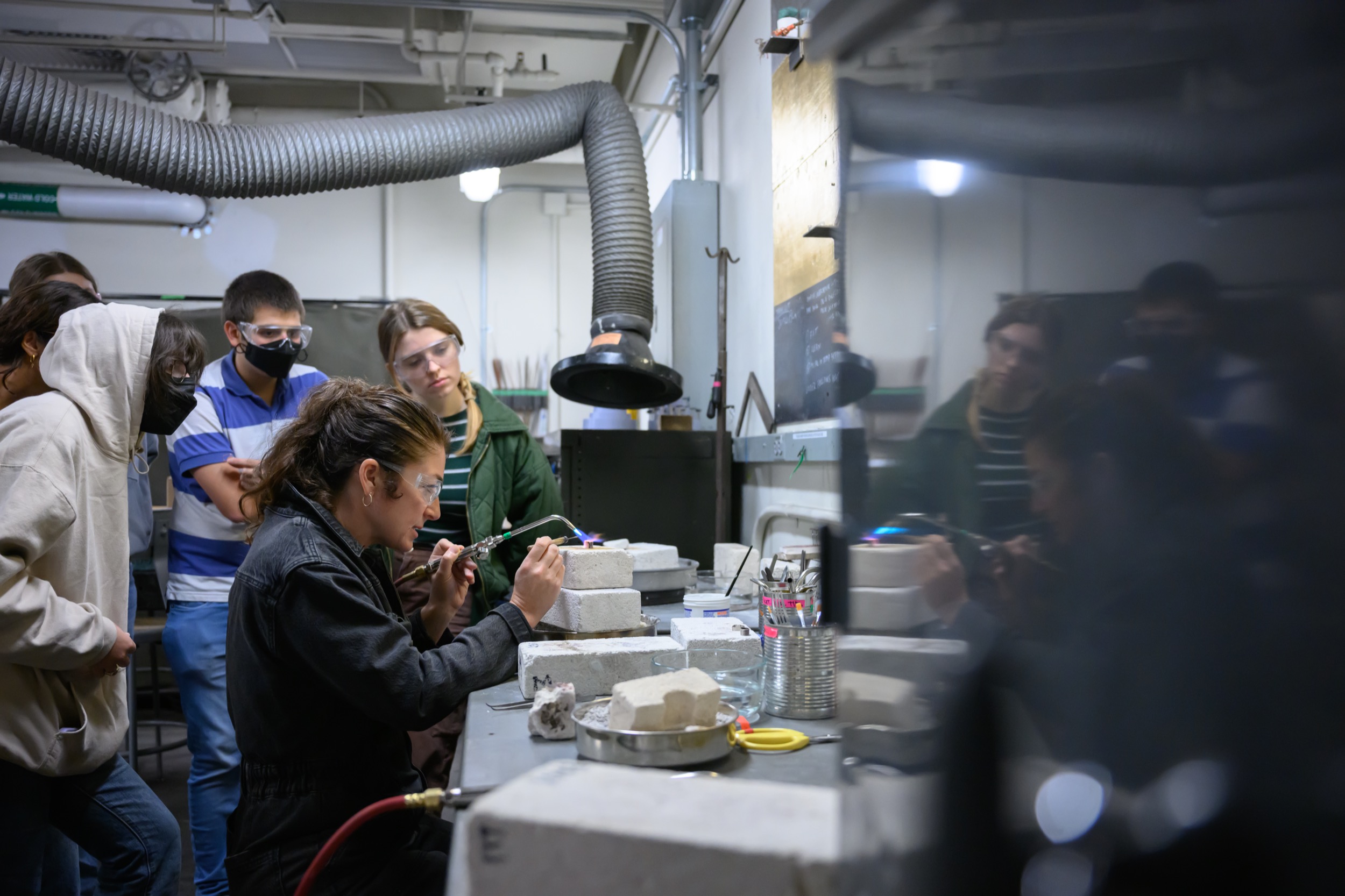
At the MIT School of Engineering, learning happens by doing. We believe the best engineers are built in the lab, the machine shop, the field, and the community—not just the classroom. Through programs like the yearlong SuperUROP, hands-on labs, and a network of makerspaces, undergraduates tackle real problems early and often. They test, iterate, and build alongside faculty and peers, gaining not only technical mastery but the confidence to turn ideas into impact.
Undergraduate Research
UROP
Adam, Undergraduate
Nikita, Undergraduate
UROP
The Undergraduate Research Opportunities Program (UROP), operated through MIT’s Office of Experiential Learning, is a cornerstone of the MIT undergraduate experience. Available in every engineering department, UROP lets students collaborate with faculty on real research—or pursue their own ideas. It’s hands-on, flexible, and designed to turn curiosity into discovery.
-
93%
93% of MIT Class of 2025 participated in UROP before graduating
-
$16.8M
$16.8M allocated to support paid UROPs
-
3,258
3,258 undergraduates have participated in UROP in AY 2025.
SuperUROP
Pari, SuperUROP
SuperUROP
SuperUROP — the Advanced Undergraduate Research Opportunities Program, administered by the Department of Electrical Engineering and Computer Science — is a yearlong version of MIT’s flagship UROP program. The two-semester project takes undergraduates through the complete research cycle, from selecting a topic and designing their experiment to writing a technical paper and presenting their results at conferences. Open to juniors and seniors, the program has now given over 1,000 students the time, mentorship, and resources to pursue deep, publication-ready research using graduate-level facilities. Through hands-on inquiry and close collaboration with faculty, SuperUROP scholars gain the experience and confidence to turn complex problems into breakthroughs that shape their next steps in research, industry, or entrepreneurship.


-
1,149
1,149 undergraduates have completed SuperUROP (as of 2023)
MIT Lincoln Laboratory Beaver Works
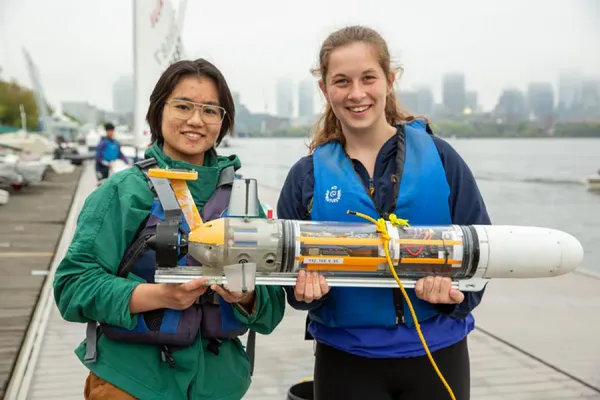
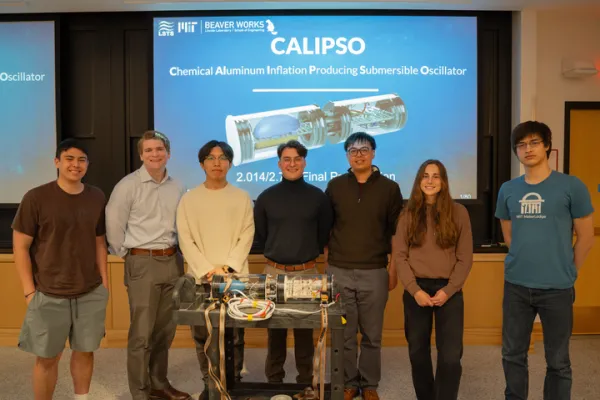
MIT Lincoln Laboratory Beaver Works gives MIT undergraduates the chance to take on advanced, project-based research that bridges the classroom and the lab. Through collaborations with Lincoln Laboratory, students design, prototype, and test solutions in fields like robotics, autonomy, energy, and biotechnology. It’s an immersive, hands-on experience that builds technical depth, creativity, and real-world impact.

Lemelson-MIT Student Fellows Program
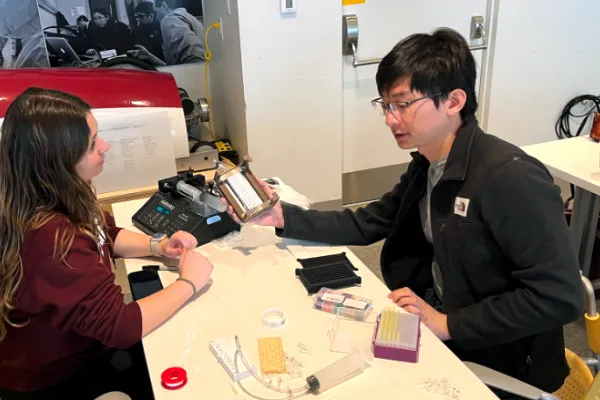
The Lemelson-MIT Student Fellows Program gives undergraduates the opportunity to study how inventors think, create, and solve problems. Through hands-on qualitative research, students learn to design and conduct interviews, analyze data, and uncover insights that advance human-centered design and inclusive innovation. Fellows gain real-world research experience while exploring the social and cultural dimensions of invention.