Mechanical Engineering
Course 2
MIT’s Department of Mechanical Engineering (MechE/Course 2) advances the design, fundamental principles, and realization of physical systems with mechanical engineering at their core.
Technical Skills
- Fundamentals to design
- Hands-on making
- Computing & modeling for physical systems
Common Careers
- Engineer
- Consultant
- Entrepreneur

About
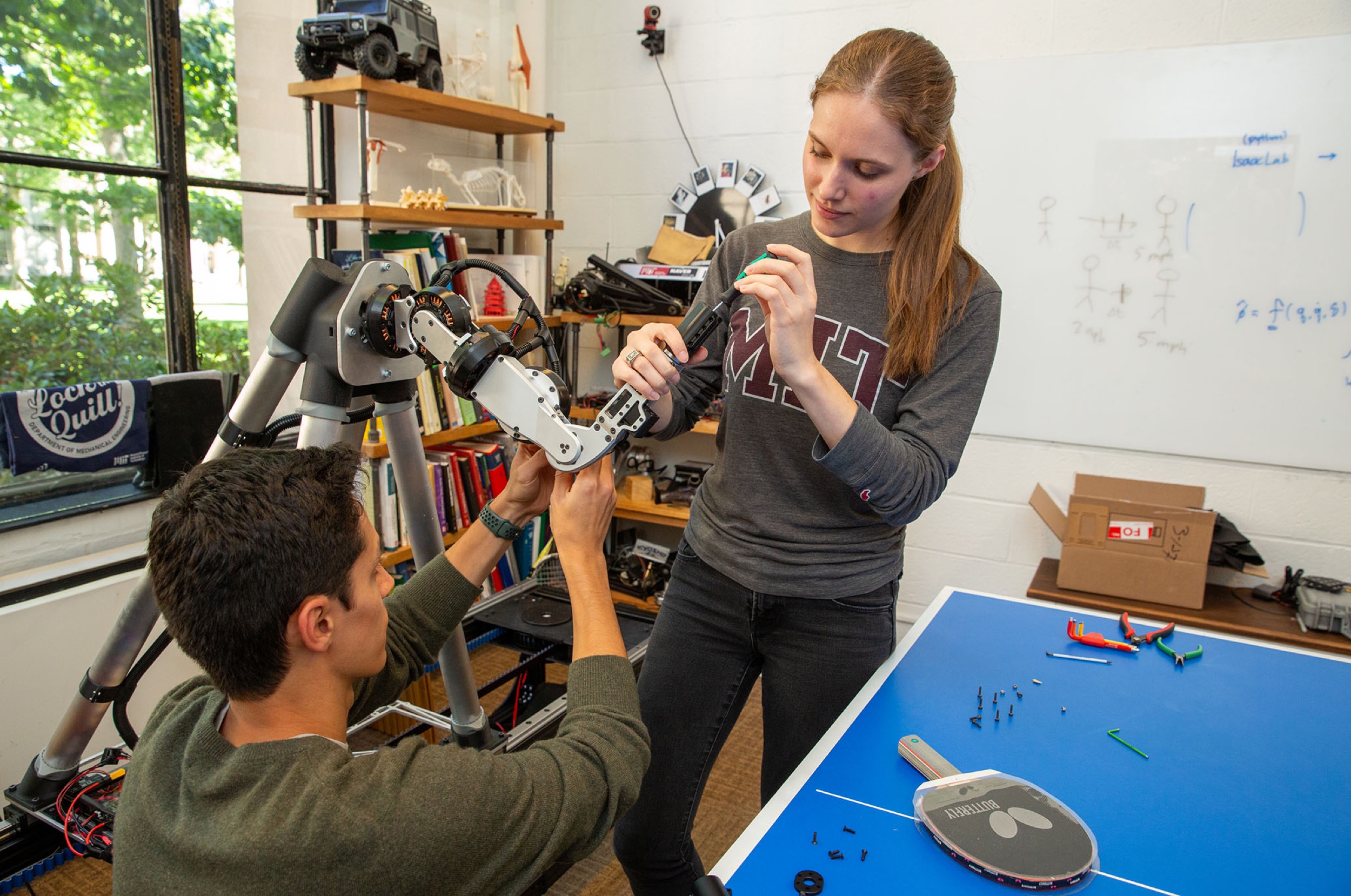
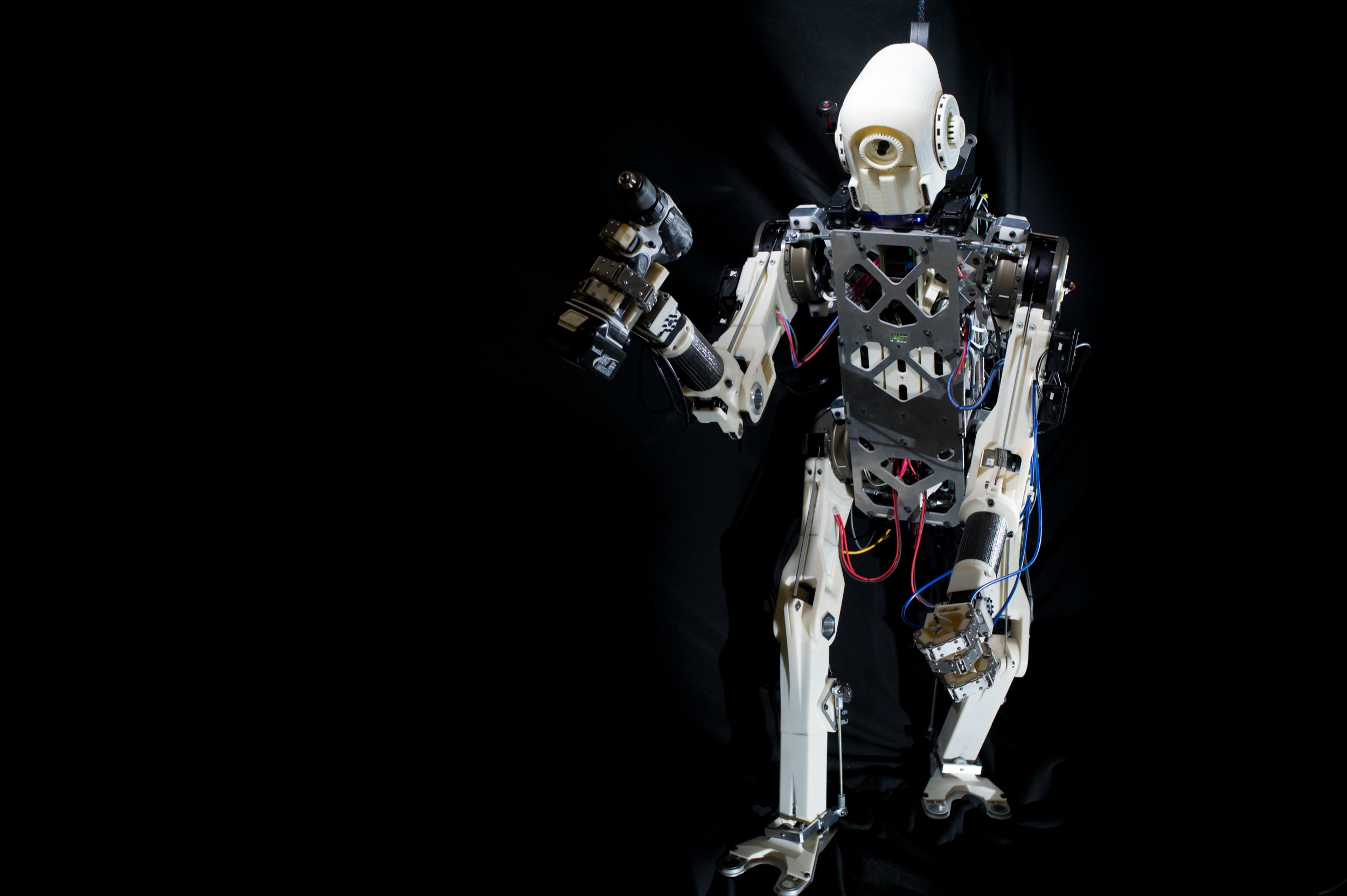
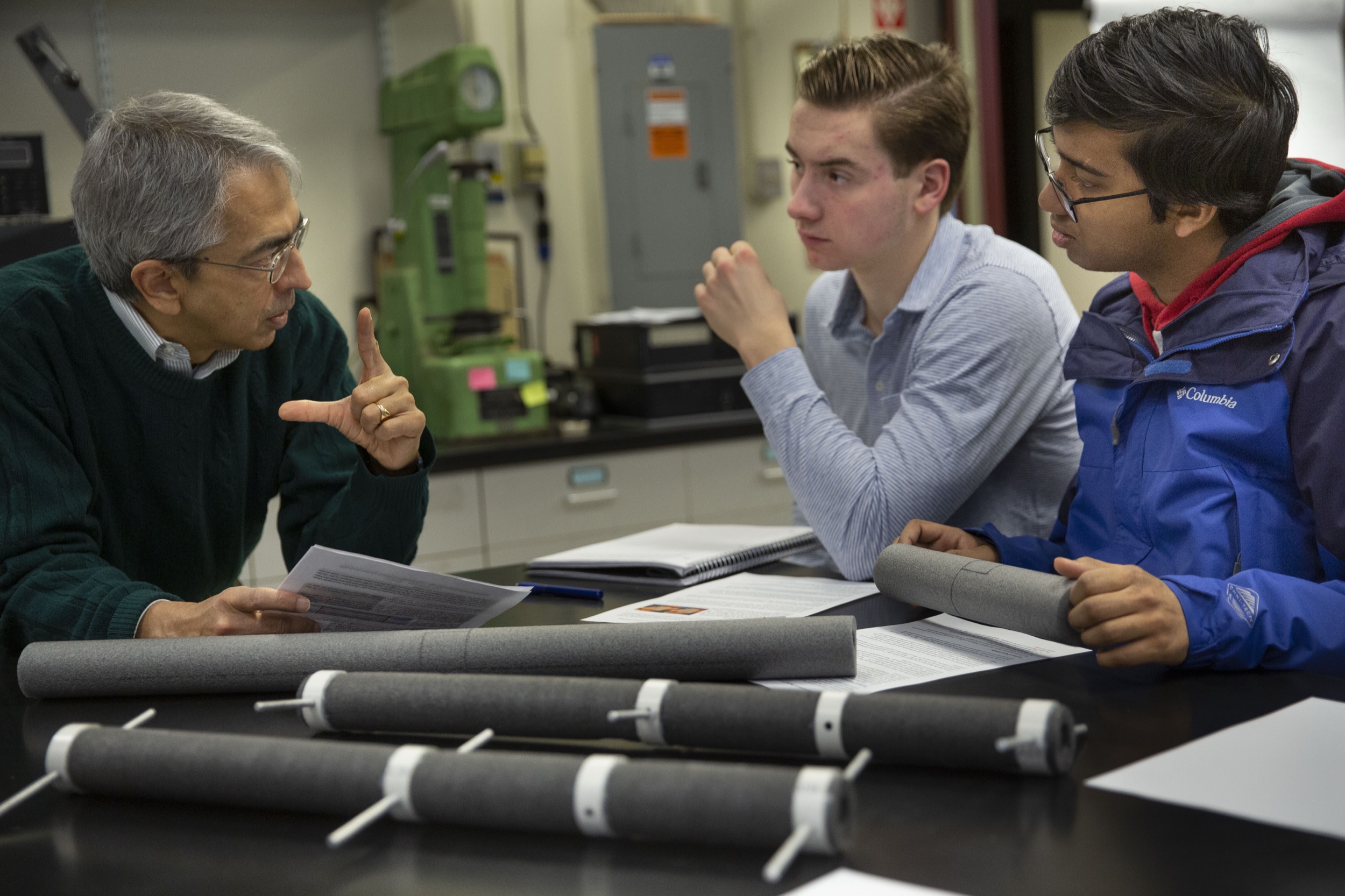
Our research and education programs embody MIT’s motto, mens et manus (“mind and hand”) – and we bring “heart” into the work. We combine theory and hands-on learning with a commitment to make the world a better place. By uniting the core areas of MechE with emerging frontiers and cross-disciplinary learning, we discover new knowledge, create innovative technologies, and train future leaders who help address the biggest challenges facing our society.
MechE Degrees
Undergraduate
- Course 2 Bachelor of Science in Mechanical Engineering
- Course 2-A Bachelor of Science in Engineering
- Course 2-OE Bachelor of Science in Mechanical and Ocean Engineering
Graduate
- Master of Science in Mechanical Engineering (SMME)
- Master of Science in Naval Architecture and Marine Engineering (SMNAME)
- Master of Engineering in Manufacturing Naval Engineer’s (NE) Degree
- Dual degree with Leaders for Global Operations (LGO) Program in MIT Sloan School of Management
- Master of Science in Ocean Engineering (SMOE)
- Master of Science in Oceanographic Engineering (SMOGE, joint MIT/WHOI degree)
- Mechanical Engineer’s (ME) Degree
- Doctor of Philosophy (PhD)
- Doctor of Science (ScD)
Why Choose MechE?
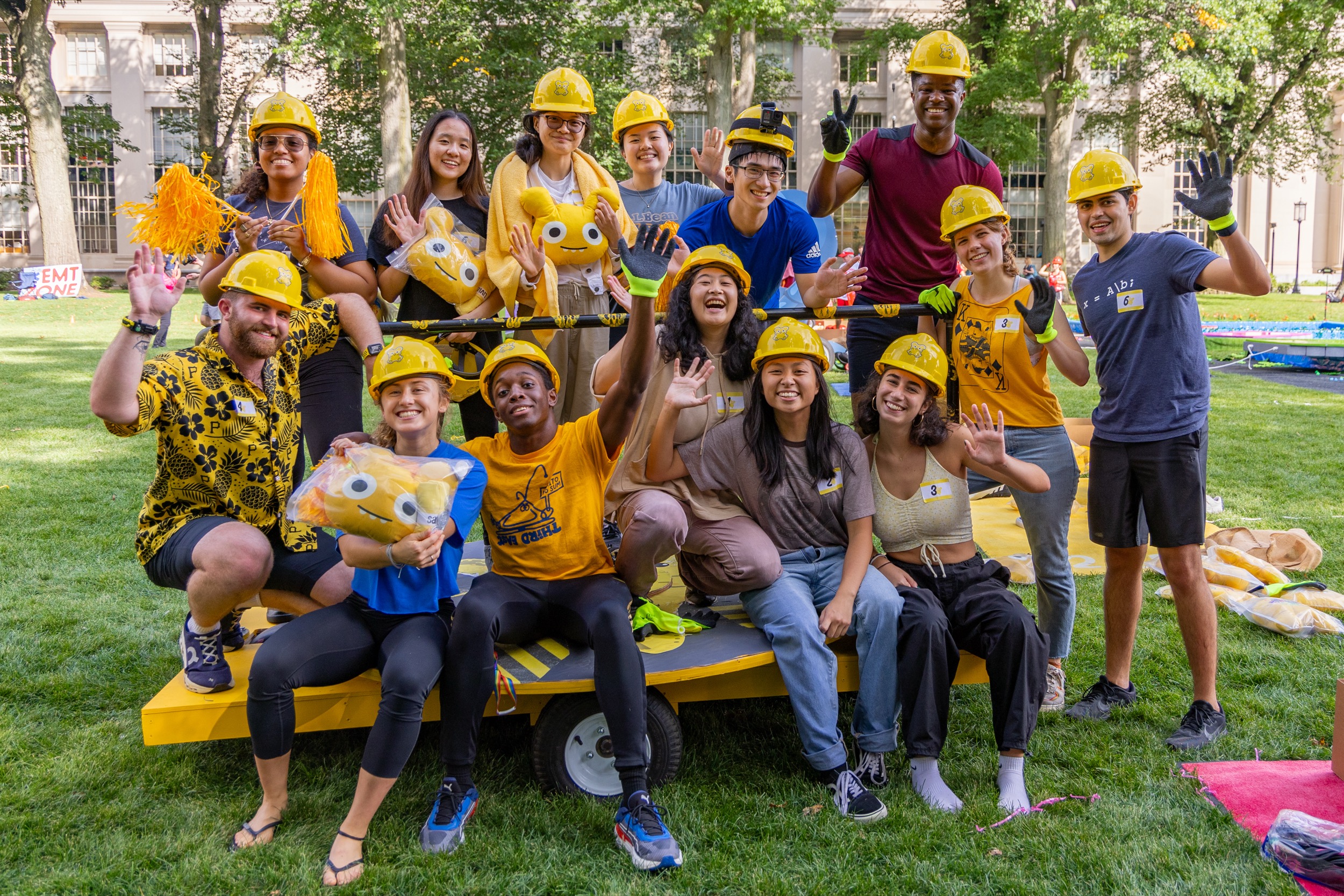
We encourage students to think outside the box, helping foster an innovative and entrepreneurial spirit that permeates our classrooms and laboratories. Our passion for pushing boundaries and developing creative solutions to the world’s problems has led to a remarkable number of discoveries – and our students have a lot of fun along the way, too.
Mechanical Engineering at MIT has expanded through the years from its traditional areas to encompass many emerging technologies, ideas, and principles – this breadth allows our department to confront multidisciplinary challenges, while embracing the core principles that have always defined our work.

Faculty Spotlights
All MechE Faculty
Carlos Portela
Associate Professor
-
Chair
Robert N. Noyce Career Development Professor
-
Department
-
Lab
-
Research Area
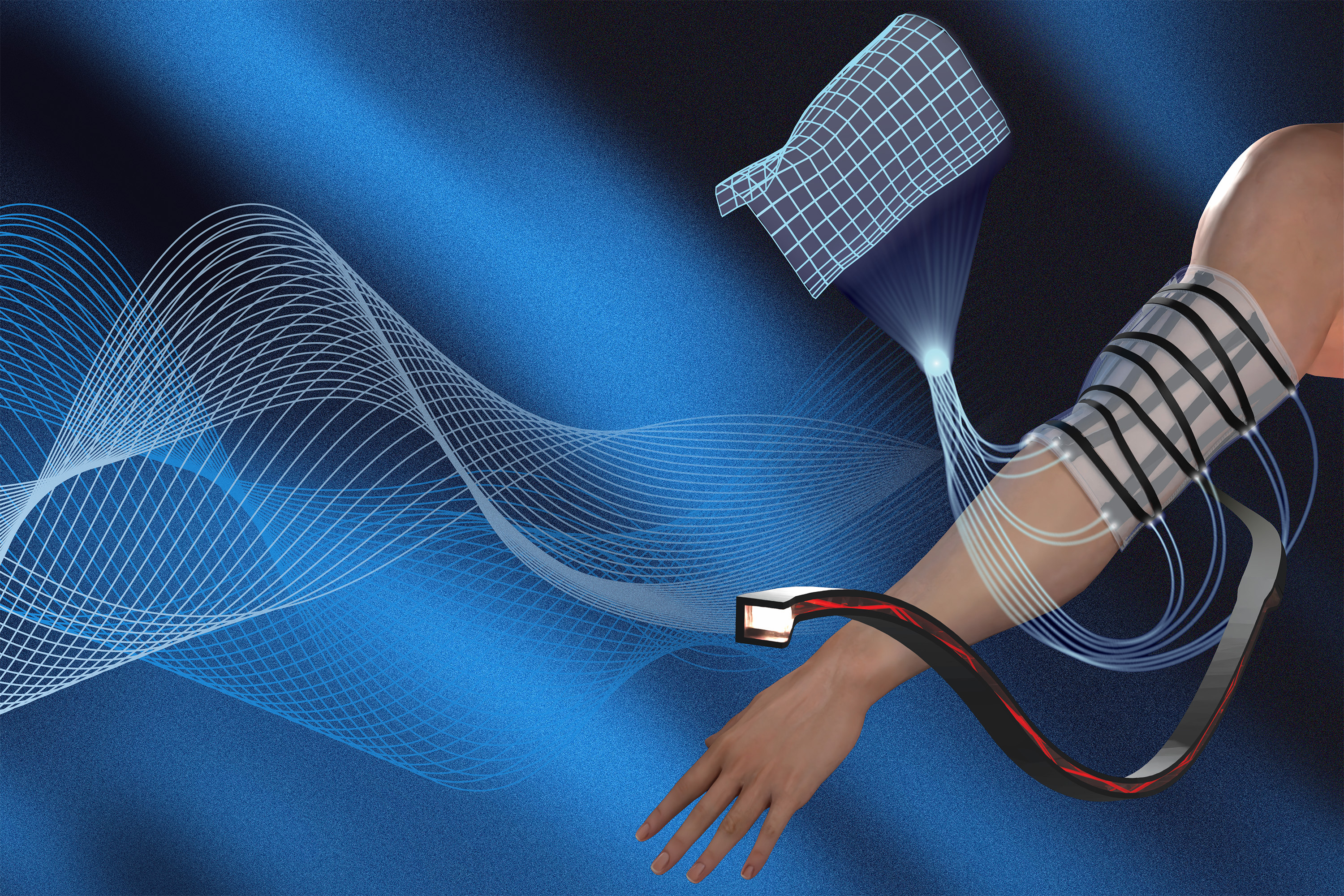
Architected Materials; Nanomechanics (static and dynamic); Metamaterials
Ellen Roche
Associate Head for Research, Department of Mechanical Engineering; Abby Rockefeller Mauzé Professor
-
Chair
Abby Rockefeller Mauzé Professor
-
Department(s)
-
Lab
-
Research area
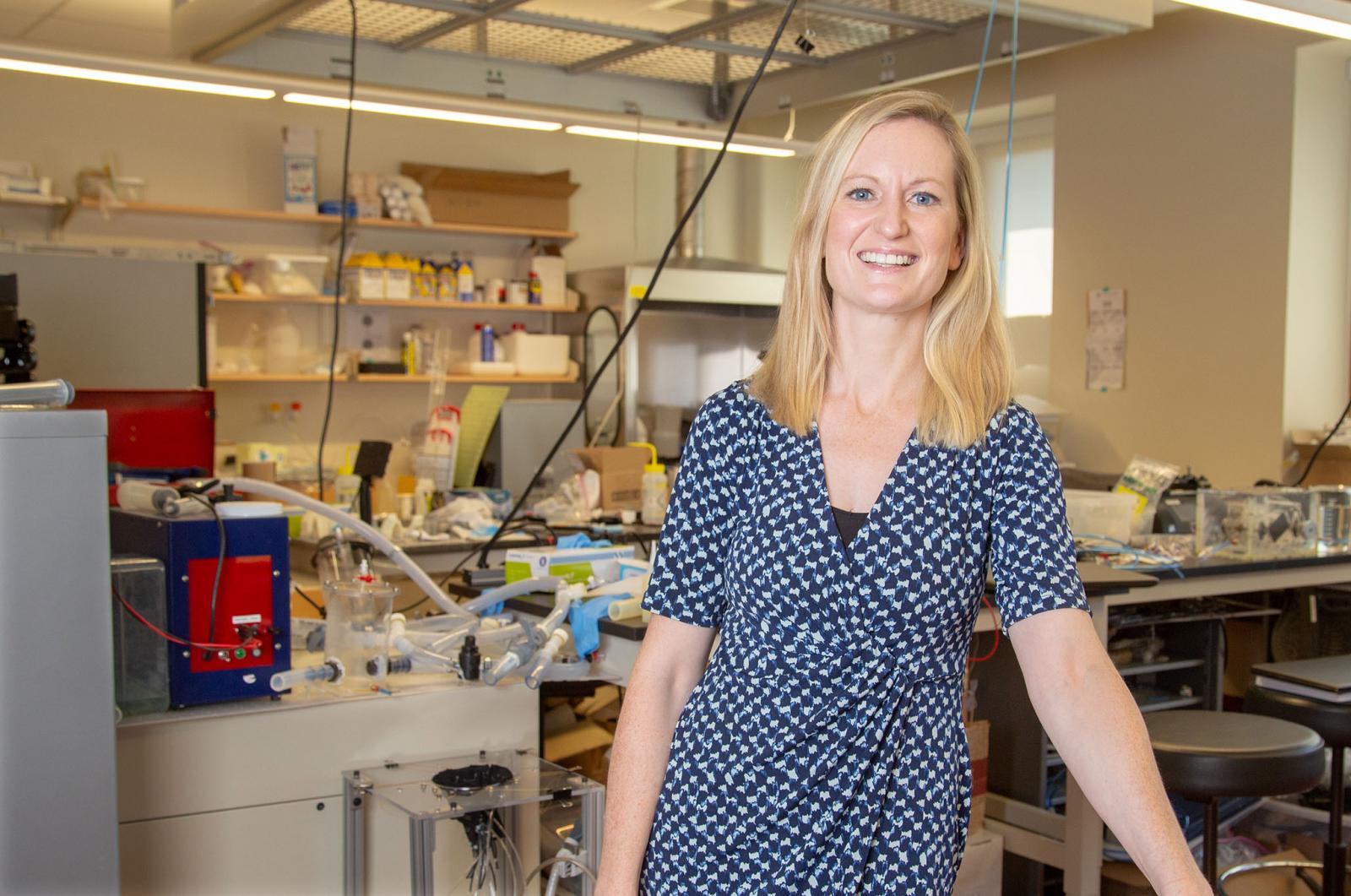
Medical devices; soft robotics; therapy delivery
Affiliated Research Labs and Centers
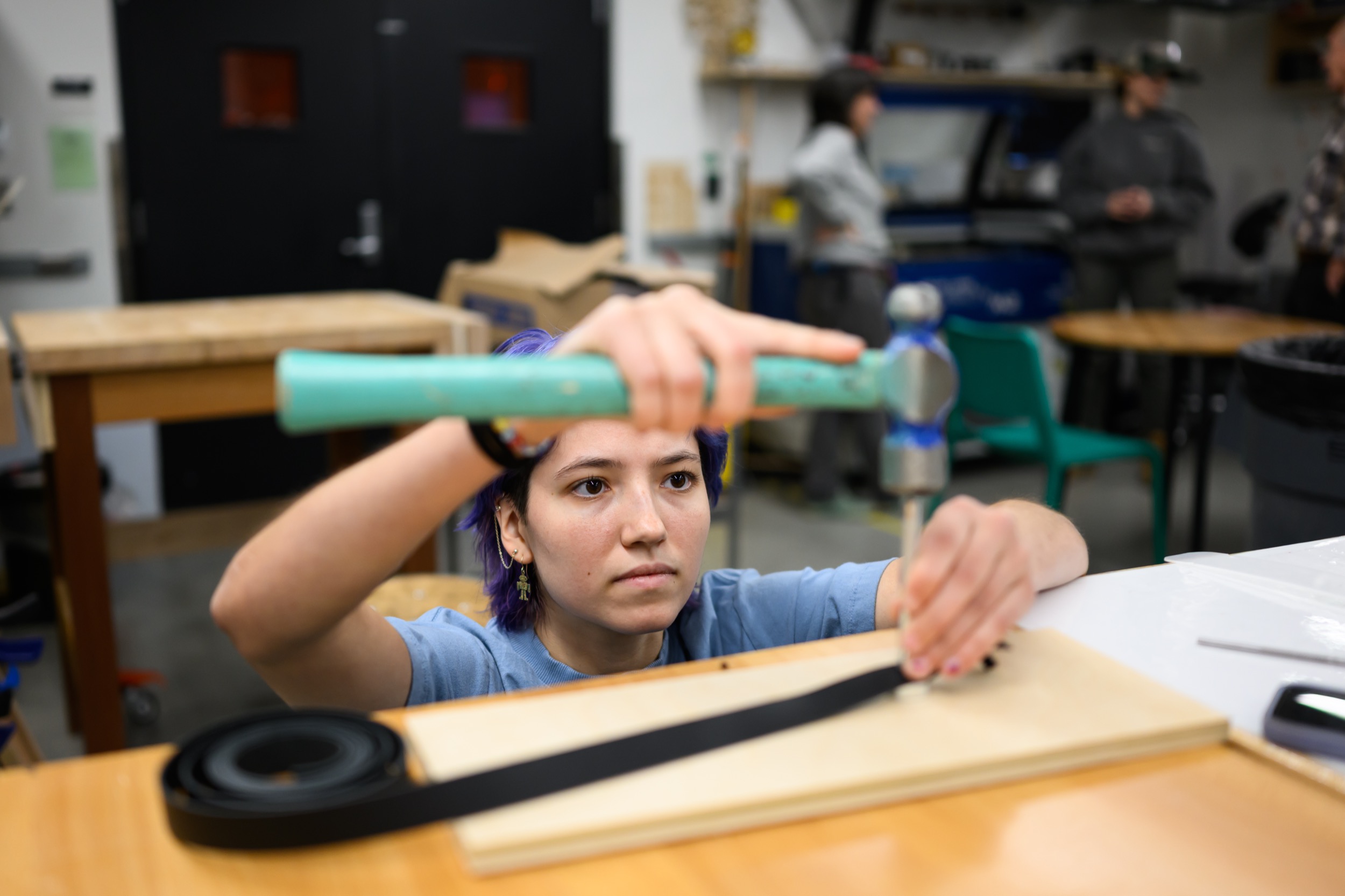
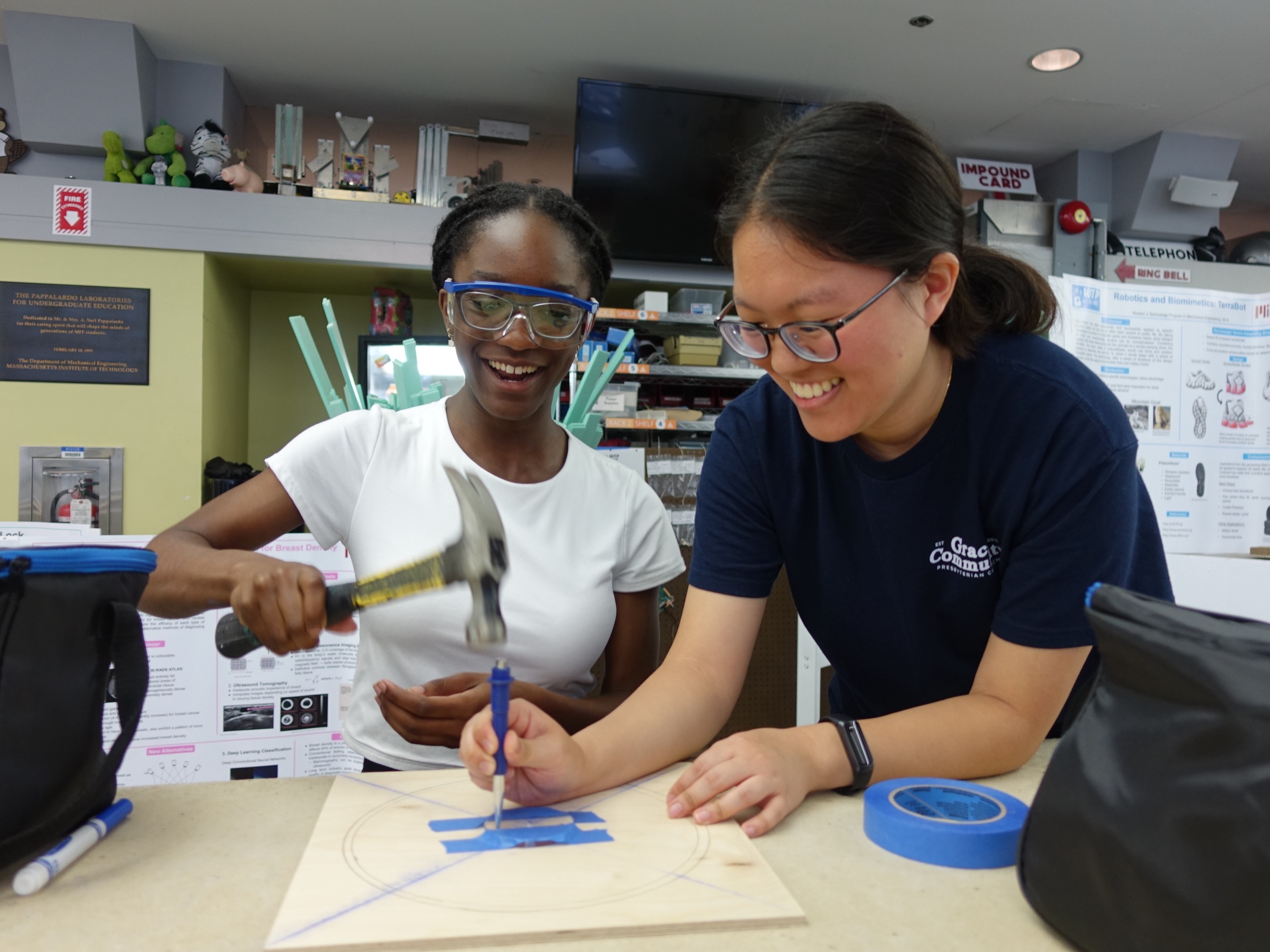
In 2.72/2.270 (Elements of Mechanical Design), “if it doesn’t break the laws of physics, it’s possible… you just have to figure out how to engineer it.” Undergraduate and graduate students engage in advanced study of modeling, design, and integration, and explore best practices for use of machine elements like bearings, bolts, belts, flexures, and gears. Students build machines that must meet certain technical and physical standards, including surviving being dropped and hit with a hammer.
Passionate Engineers Apply Here
Create an undergraduate or graduate degree around building.