Civil and Environmental Engineering
Course 1
Civil and Environmental Engineering (CEE/Course 1) tackles urgent challenges—climate change, urbanization, resource scarcity, and infrastructure resilience.
Technical Skills
- Systems modeling & optimization
- Infrastructure & structural design
- Environmental data analysis & sensing
- Computational sustainability methods
- Experimental design & field methods
Common Careers
- Infrastructure & Structural Engineer
- Climate & Sustainability Analyst
- Transportation Systems Engineer
- Environmental Consultant
- Data Scientist (Infrastructure/Energy Systems)



About
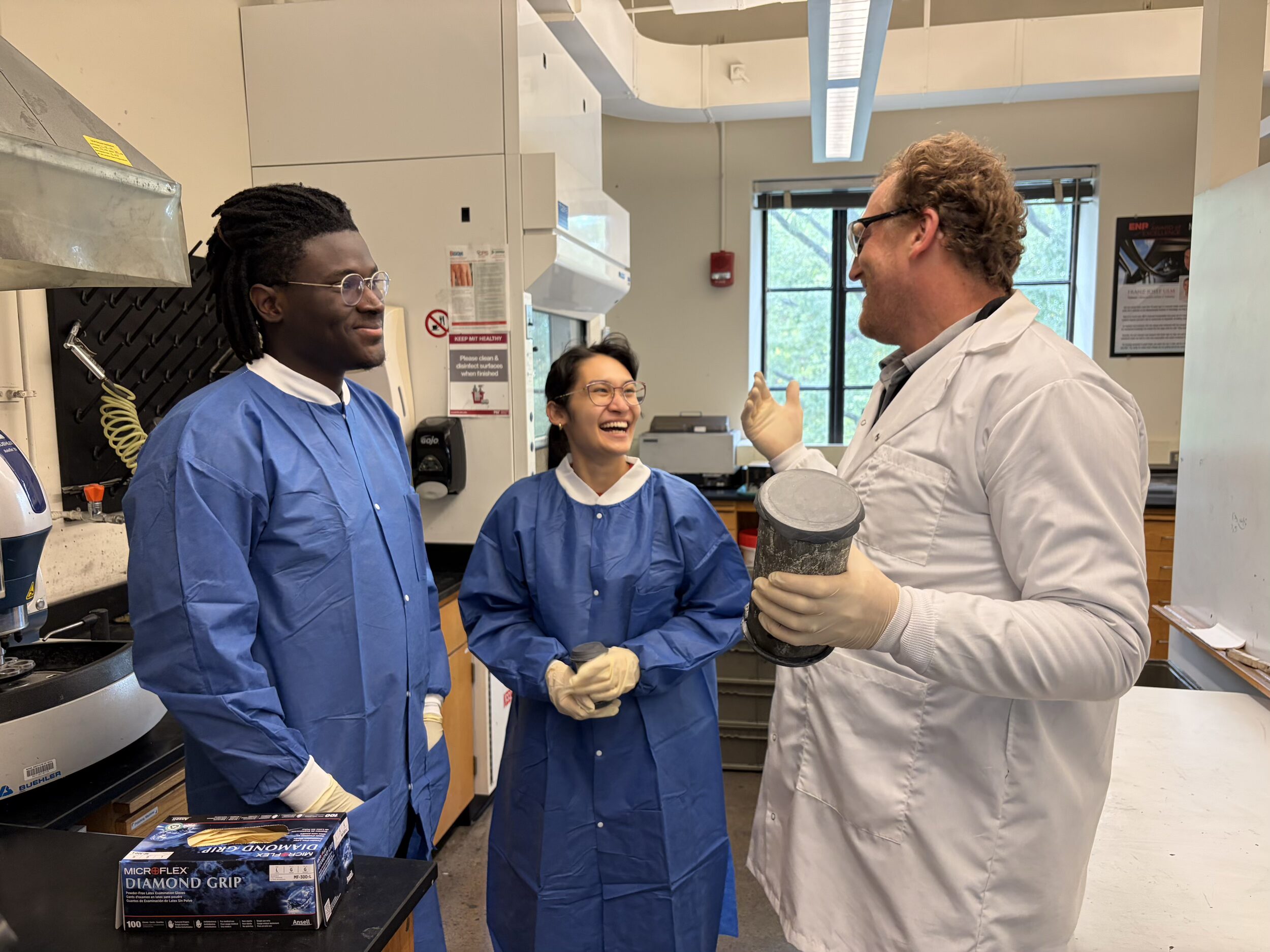
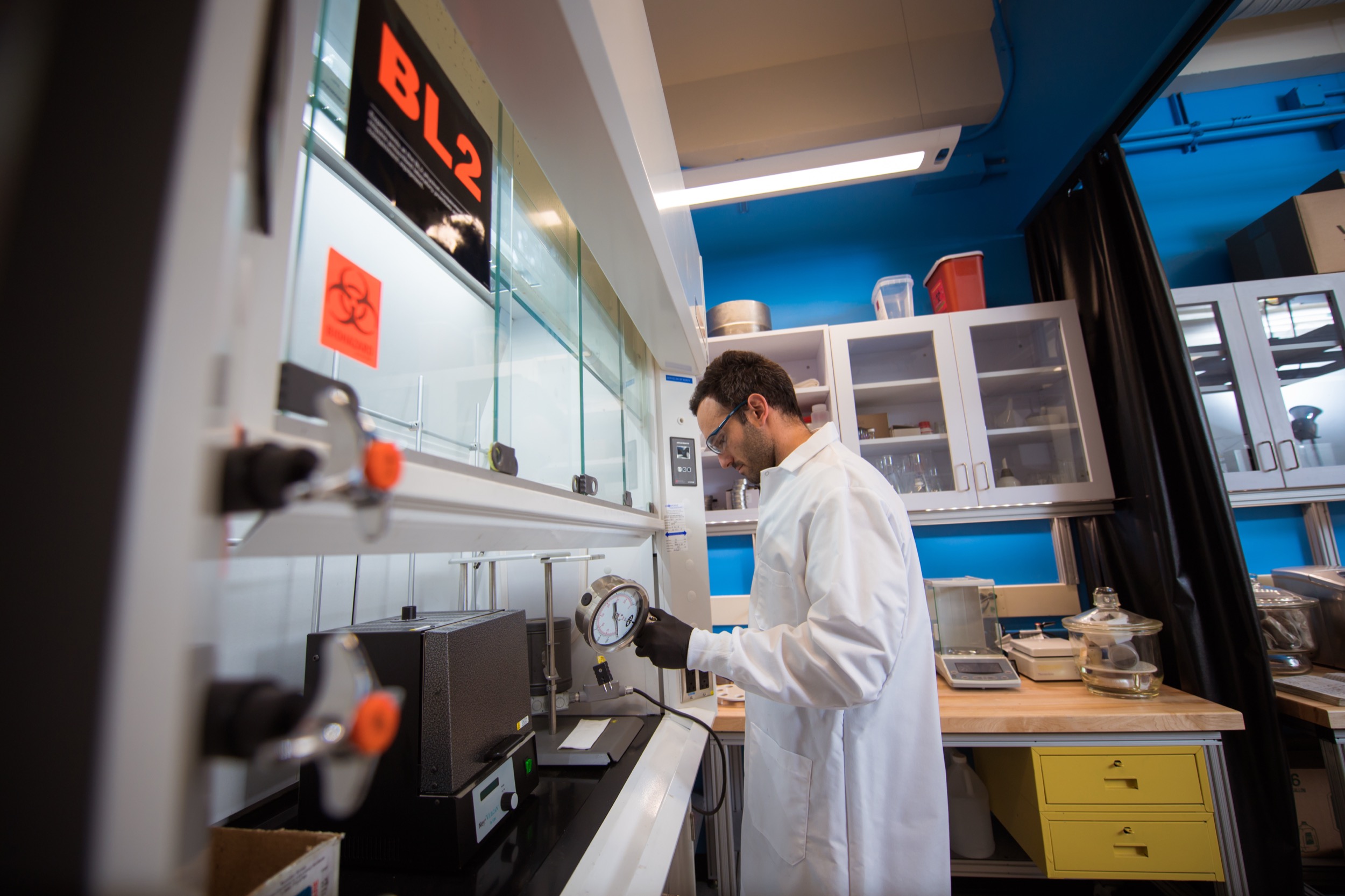
MIT Civil and Environmental Engineering students don’t just study—they engineer systems that shape the future. We combine scientific principles, engineering design, computing, and hands-on fieldwork to develop solutions with real-world impact for people and the planet.
CEE Degrees
Undergraduate
- Course 1-ENG Civil and Environmental Engineering
- Course 1-12 Climate System Science and Engineering
Graduate
- Master of Engineering (MEng)
- Master of Science (SM)
- Doctor of Philosophy (PhD)
- Doctor of Science (ScD)
- Interdepartmental Master of Science in Transportation (MST)
- Joint Degree with Woods Hole Oceanographic Institution (WHOI)
- PhD Program in Computational Science and Engineering
- Master’s and MBA with Leaders for Global Operations (LGO)
Why Choose CEE?
Course 1 empowers you to engineer solutions to humanity’s most urgent challenges—climate change, sustainable cities, resilient infrastructure. Here’s what makes it unique:
- Systems thinking meets hands-on impact. You’ll integrate scientific principles, computing, data analytics, and engineering design—then apply them in labs, fieldwork, and real-world projects. You don’t just study environmental and infrastructure systems; you explore, measure, and transform them.
- Flexibility to follow your passion. Choose from three specialized cores and add computing pathways to create your ideal education. Whether you’re drawn to structural design, transportation networks, renewable energy, or environmental restoration, you’ll gain both deep expertise and broad systems perspective.
- The urgency is real—and so is the opportunity. The world needs to build renewable energy infrastructure 8x faster. Cities must become sustainable and resilient. This is the decade that matters, and Course 1 prepares you to lead it. From climate tech startups to infrastructure consulting, from policy to research, you’ll have the skills to make meaningful impact at the scale the planet needs.
Why Study Civil & Environmental Engineering at MIT?
Faculty Spotlights
All CEE Faculty
Benedetto Marelli
-
Chair:
Professor, Associate Department Head
-
Department:
-
Lab:
-
Research Area:
Sustainable Materials & Infrastructure, Food & Water Security

Admir Masic
-
Chair:
Associate Professor
-
Department
-
Lab
-
Research area
Sustainable Materials & Infrastructure

Cathy Wu
-
Chair:
Class of 1954 Career Development Professor, Associate Professor
-
Department
-
Lab:
-
Research Area:
Resilient Systems & Mobility


![The “New World of Weather” project, one of MIT’s five Climate Grand Challenges announced in 2022, is “advancing the science, technologies, and practical strategies needed to help communities anticipate [extreme weather] and build greater resilience,” says MIT Vice President for Energy and Climate Evelyn Wang.](https://news.mit.edu/sites/default/files/styles/news_article__cover_image__original/public/images/202609/mit-climate-cyclone.jpg?itok=mQNGJPXJ)

Affiliated Research Labs and Centers
New career paths require graduates who understand the science of climate change and who also possess the engineering and analytic tools. The Course 1–12 Climate System Science and Engineering degree program, jointly offered by the Departments of Civil and Environmental Engineering (CEE) and Earth, Atmospheric and Planetary Sciences (EAPS) at MIT, prepares students to become leaders in the field, helping to accelerate high- impact, science-based solutions to solve global-scale environmental problems.
Class Highlights
- 1.052 Advancing Mechanics and Materials via Machine Learning
- 1.086 Physics and Engineering of Renewable Energy Systems
- 1.C03 Computational Methods for Engineering Sustainable Systems
- 1.101 Introduction to Civil and Environmental Engineering Design
- 1.104 Sensing and Intelligent Systems
Alumni Highlights
Resources
The nexus of people, systems, and sustainability
