Electrical Engineering and Computer Science
Course 6
Covering the full range of computer, information, and energy systems, the MIT Department of Electrical Engineering and Computer Science (EECS/Course 6), which reports jointly to the MIT School of Engineering and the MIT Stephen A. Schwarzman College of Computing, brings the world’s most brilliant faculty and students together to innovate and explore.
Technical Skills
- A focus on modeling and abstraction
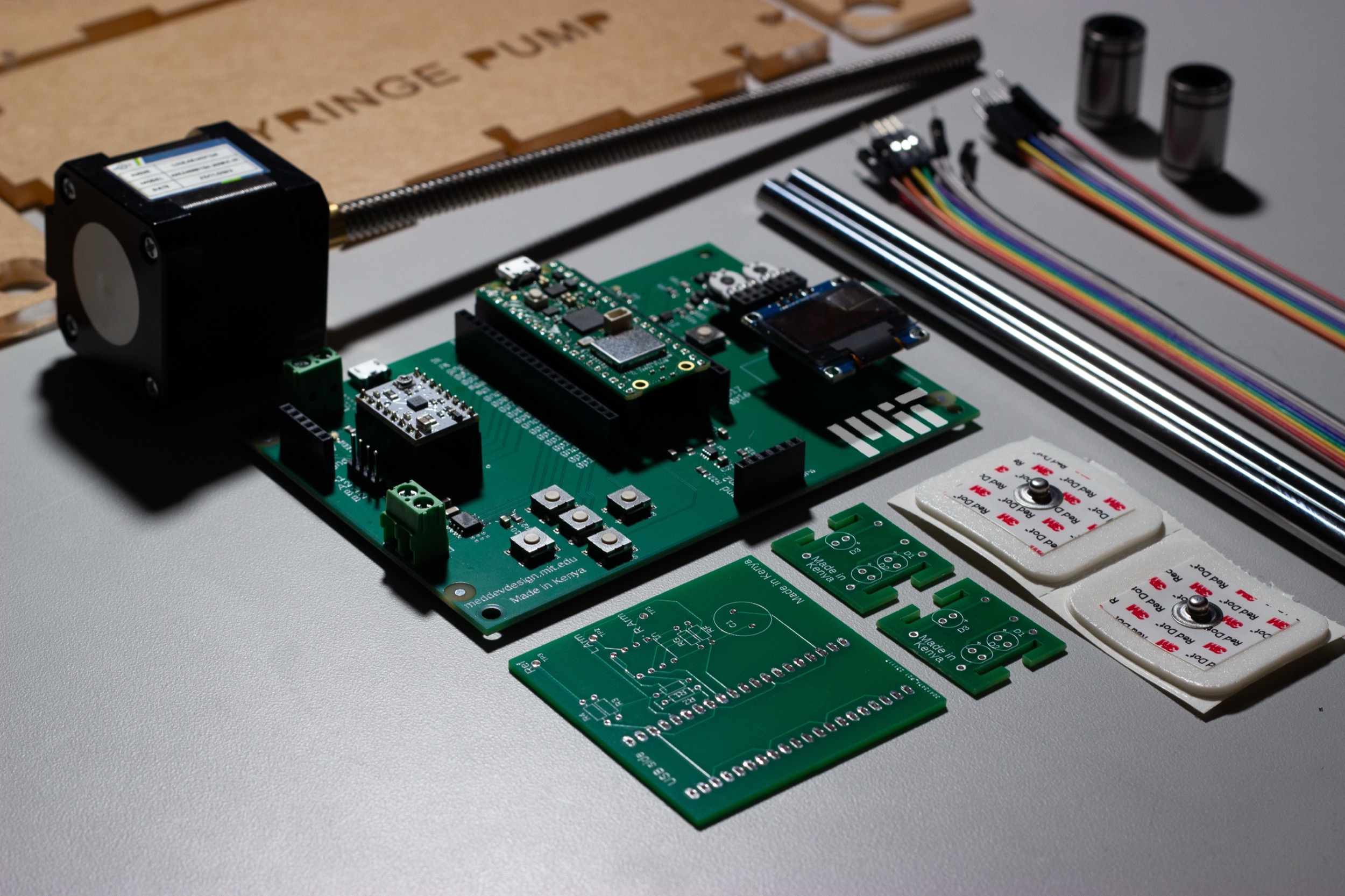
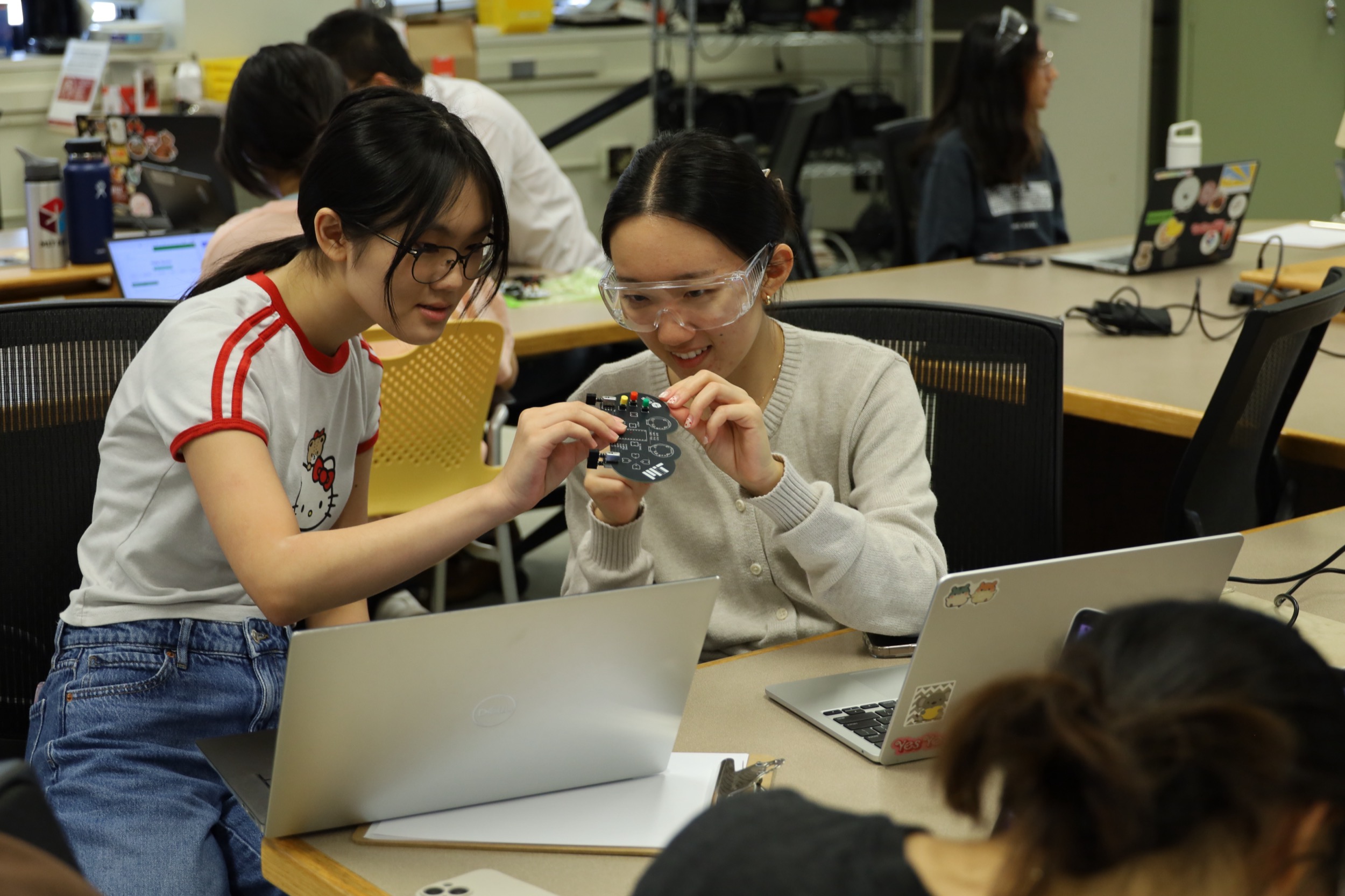
- Hands-on approach to learning
- Emphasis on problem-solving skills
Common Careers
- Engineer
- Scientist
- Researcher
About
From foundational hardware and software systems, to cutting-edge machine learning models and computational methods to address critical societal problems, the work of the MIT Department of Electrical Engineering and Computer Science changes the world.
EECS Degrees
Undergraduate
- Course 6-3 Computer Science and Engineering
- Course 6-4 Artificial Intelligence and Decision Making
- Course 6-5 Electrical Engineering With Computing
- Course 6-7 Computer Science and Molecular Biology
- Course 6-9 Computation and Cognition
- Course 11-6 Urban Science and Planning with Computer Science
- Course 6-14 Computer Science, Economics, and Data Science
- MEng Program: Open to EECS undergraduates in 6-3, 6-4, 6-5, 6-7, and 6-14 programs, the MEng program allows students to earn a bachelor’s and master’s degree in five years.
Graduate
Graduate Program:
- The largest graduate program in MIT’s School of Engineering, EECS has about 700 graduate students in the doctoral program at any given time. Those students conduct groundbreaking research across a wide array of fields alongside world-class faculty and research staff, build lifelong mentorship relationships and drive progress in every sector touched by electrical engineering, computer science, and artificial intelligence and decision-making.
Why Choose EECS?
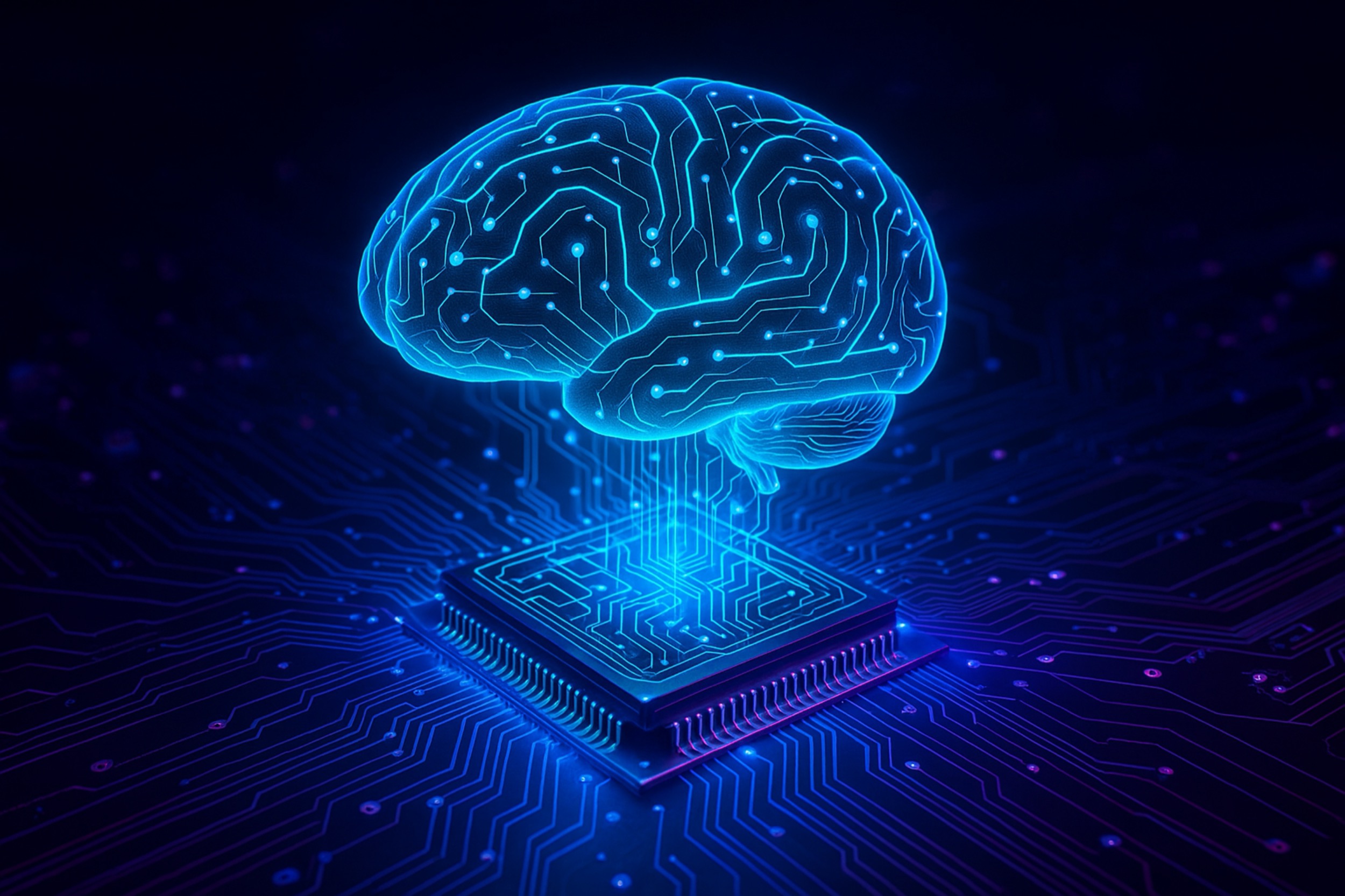
EECS majors design the most sophisticated systems ever built. Electrical engineering leverages computational, theoretical, and experimental tools to develop sensors and transducers, computational substrates, and systems that connect the physical and digital world. Computer science develops both the theoretical principles and algorithms and the practical languages, systems, and interfaces that power computing at all scales, from the smallest robots to the largest data centers. Artificial intelligence and decision-making explores the foundations of machine learning and decision systems, the building blocks of embodied intelligence, and the interface between decision-making and society. Our research is interdisciplinary by nature, and has far-reaching effects on almost every field of human activity, including energy and climate, human health, communications and computation, finance, and music.
Learn about 6-5, “Electrical Engineering With Computing,” our new flagship electrical engineering major.


-
#145
When will AI be smart enough to outsmart people?
-
#133
How can I tell if a certain tree is big enough to support a 30-foot zip line?
-
#123
Is chaos an actual state, or just a name for rules we haven’t discovered yet?
-
#119
Does the outside edge of a ceiling fan blade move faster than the inside edge?

MIT EECS Student Profile: Cooper Jones