Climate & Energy
Protecting and improving the health of our planet for generations to come
MIT engineers are confronting the global challenges of climate change and the need for clean, reliable energy across every discipline. Working with scientists, economists, policy experts, and industry leaders around the world, they’re developing the technologies, systems, and strategies needed to create a sustainable future.
-
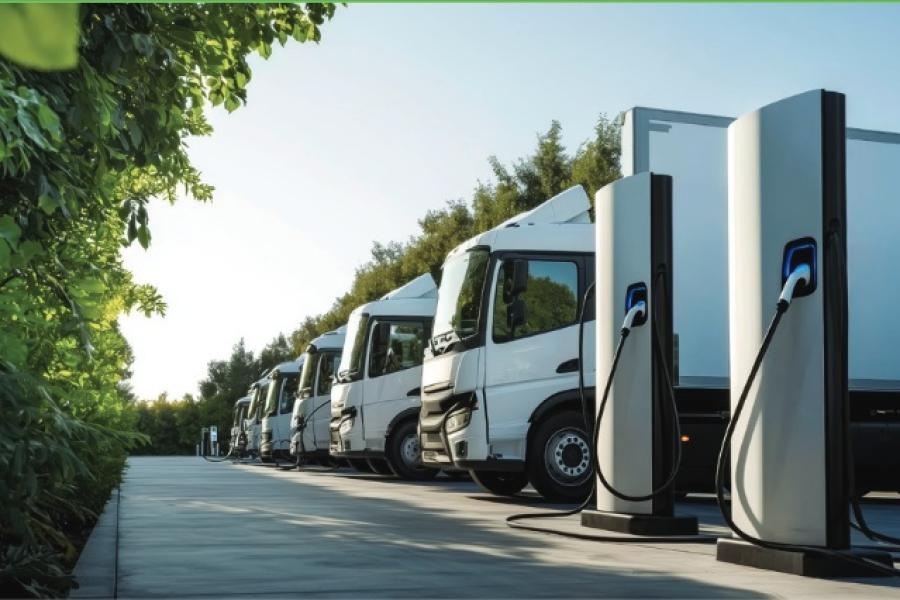
State of Supply Chain Sustainability Report finds corporate commitment at record high, but governance lags behind
-
Researchers improve weather forecasts looking two to six weeks out
-
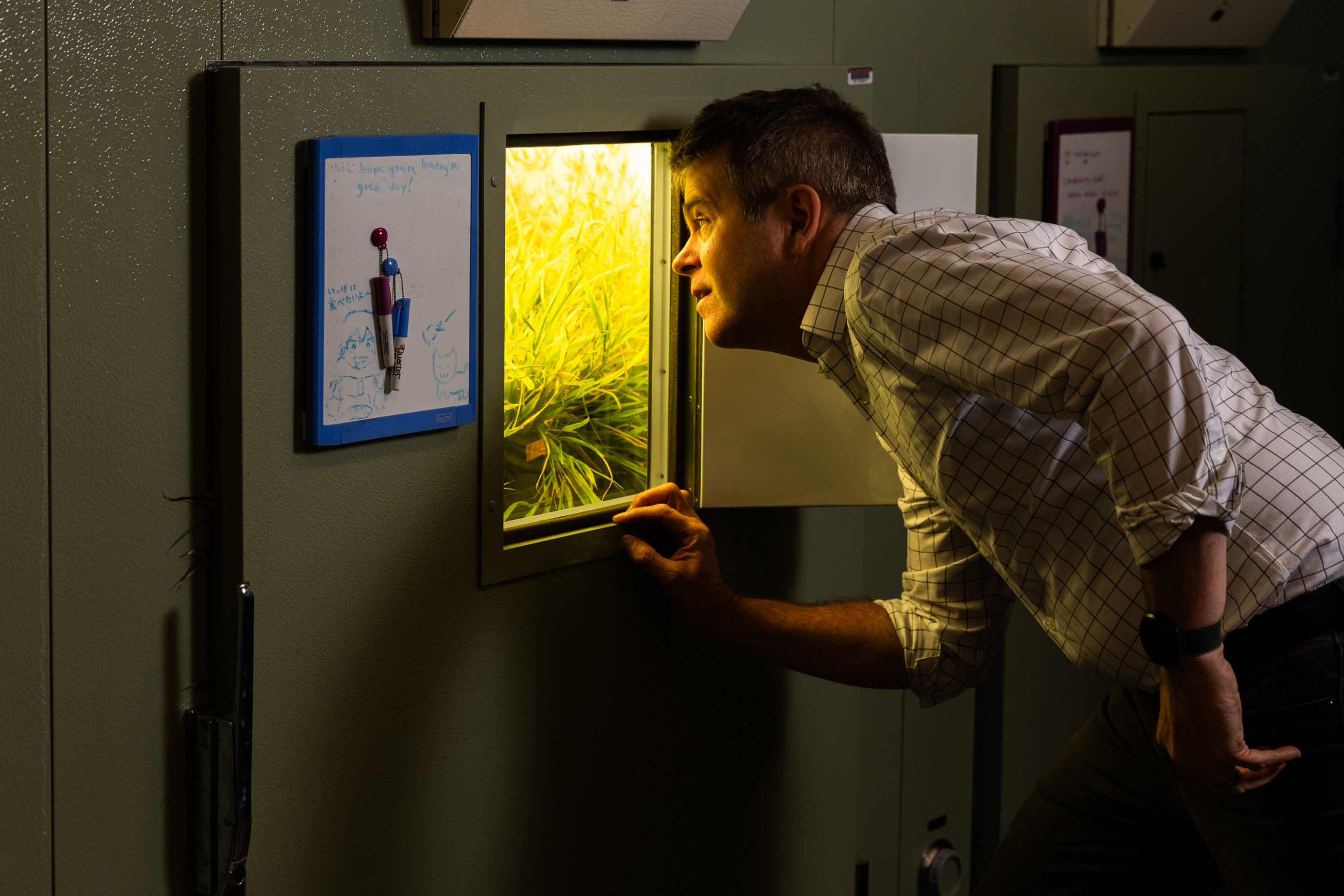
Exploring how plants thrive in a changing environment
-
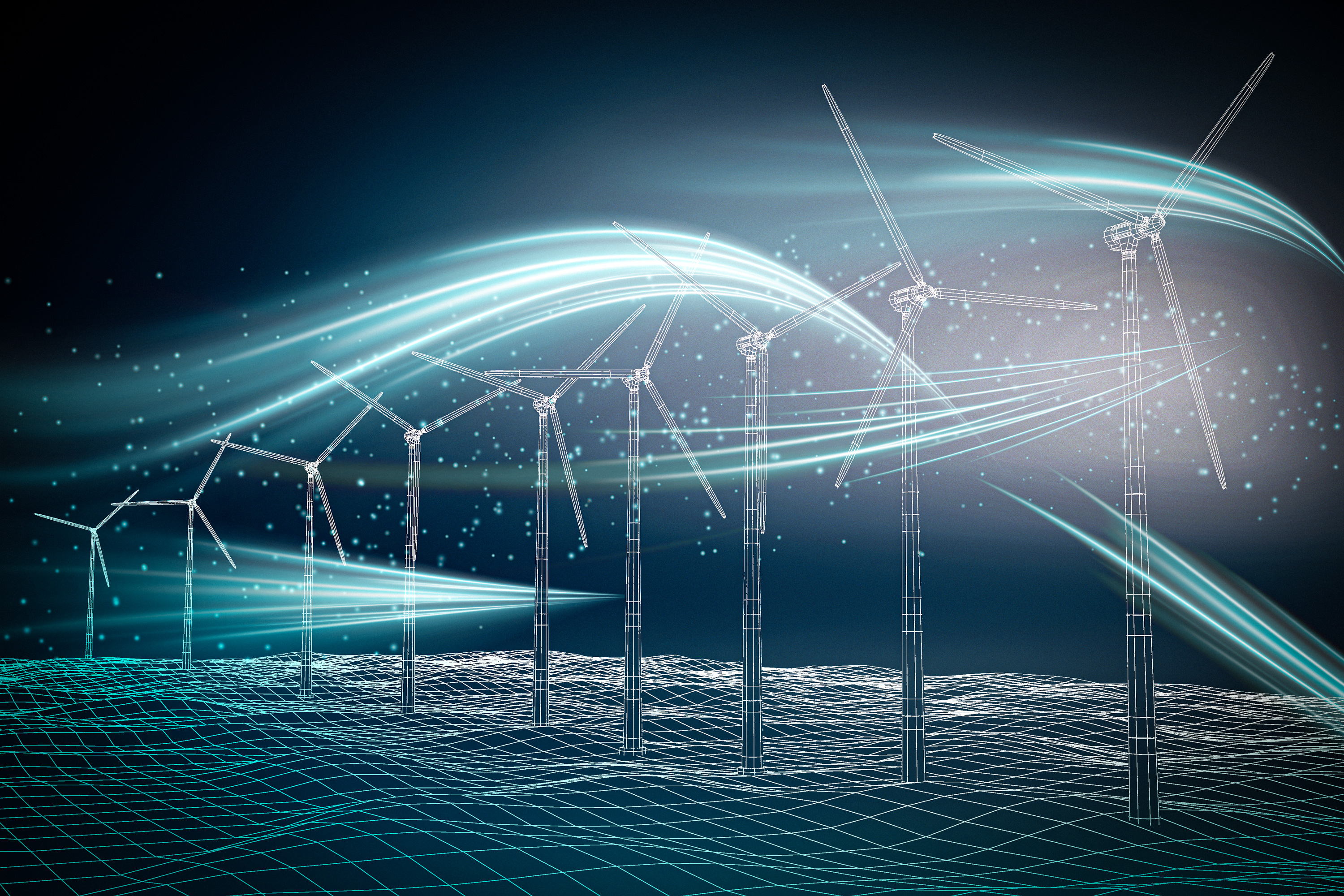
Pressurized experiments could help wind farms generate more power
-
MIT researchers are mapping extreme weather risks — and building tools to act on them
-
3 Questions: Putting nuclear waste into perspective

![The “New World of Weather” project, one of MIT’s five Climate Grand Challenges announced in 2022, is “advancing the science, technologies, and practical strategies needed to help communities anticipate [extreme weather] and build greater resilience,” says MIT Vice President for Energy and Climate Evelyn Wang.](https://news.mit.edu/sites/default/files/styles/news_article__cover_image__original/public/images/202609/mit-climate-cyclone.jpg?itok=mQNGJPXJ)

MIT Climate & Sustainability Consortium (MCSC)
Tackling climate and sustainability challenges
The MIT Climate & Sustainability Consortium (MCSC) brings academia and industry together to accelerate real-world solutions for global climate and sustainability challenges. By connecting MIT researchers with leading companies, the consortium develops and deploys scalable technologies and strategies that help organizations thrive in a decarbonized world.
Tata-MIT Alliance
Propelling innovation and development of scalable sustainability solutions
The Tata-MIT Alliance is a leading-edge collaboration between six Tata companies—Tata Steel, Tata Power, Tata Motors, Tata Motors Passenger Vehicles, Tata Electronics, and Agratas Energy Storage Solutions—and MIT researchers to propel innovation and development of high-impact, scalable sustainability solutions, benefitting communities in India around the world.
Faculty Spotlights
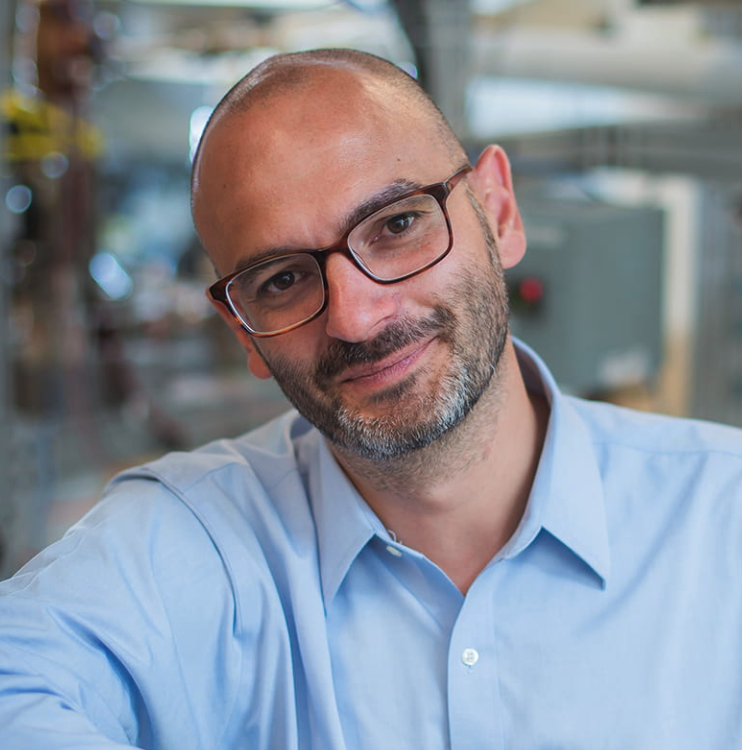
Matteo Bucci
Associate Professor
-
Title
Esther and Harold E. Edgerton Associate Professor
-
Department
-
Lab
-
Research area
Heat transfer solutions to enhance the efficiency of energy conversion systems

Sili Deng
Associate Professor
-
Title
Henry L. Doherty Career Development Professor in Ocean Utilization
-
Department
-
Lab
-
Research Area
Energy conversion and storage, scientific machine
learning, reacting flows

Zachary Hartwig
Associate Professor
-
Department
-
Lab
-
Research area
Large-scale applied superconductivity, magnet fusion device design, and plasma-material interactions
Presidential Initiative
The MIT Climate Project brings together engineers, scientists, and policy experts to accelerate solutions for a sustainable future. Led by Professor Evelyn Wang ’00, vice president for energy and climate, the initiative unites the Institute’s strengths in research, technology, and collaboration to confront the global challenges of climate and clean energy.
Departments Working on Climate and Energy
The Course 1–12 Climate System Science and Engineering degree program, jointly offered by the Departments of Civil and Environmental Engineering (CEE) and Earth, Atmospheric and Planetary Sciences (EAPS) at MIT, prepares students to become leaders in the field, helping to accelerate high- impact, science-based solutions to solve global-scale environmental problems.