Meet the 2024–2025 Fellows for MIT-Novo Nordisk Artificial Intelligence Postdoctoral Fellows Program

At MIT, we are redefining the future of the life sciences through the MIT–Novo Nordisk Artificial Intelligence Postdoctoral Fellows Program, a collaboration between MIT’s School of Engineering and Novo Nordisk, a global leader in health care innovation. As part of the broader MIT Health and Life Sciences Collaborative (MIT HEALS), the program brings together visionary researchers to push the boundaries of AI, data science, and biological engineering, accelerating discovery and translating breakthroughs into real-world impact that advances patient care.
2024-2025 MIT-Novo Nordisk Fellows
Thomas Athey
- Department
- Electrical Engineering and Computer Science
- Affiliation
- MIT’s Computer Science and Artificial Intelligence Laboratory
- Research Advisor
- Nir Shavit
- Fellowship
- Novo Nordisk
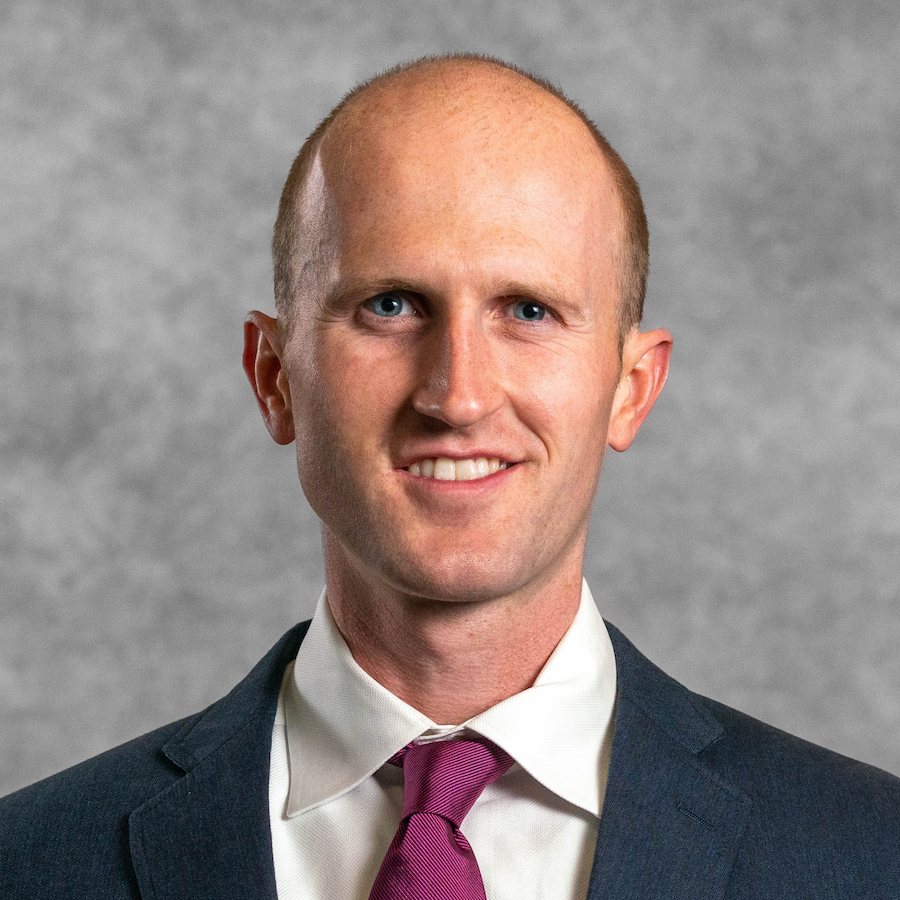
Thomas Athey’s research focuses on novel machine-learning approaches for processing and analyzing image data. In his doctoral work, Thomas developed an approach for computationally tracing entangled neurons in whole-brain images, which outperformed state-of-the-art methods. Additionally, he studied the numerical properties of representing neuron traces as splines. Presently, his research has brought him to two other imaging settings. The first is electron microscopy, where Thomas is part of a team working to build a microscope that uses machine learning to guide image acquisition, accelerating overall imaging time. This work has the potential to greatly expand the scale of connectomics, which is the field concerned with mapping connections in the brain. The second is image segmentation and generative modeling of neuronal cell culture images. As an MIT-Novo Nordisk Artificial Intelligence Postdoctoral Fellow, Thomas will be working to identify cellular subtypes of amyotrophic lateral sclerosis in human motoneuron cell lines, with a goal of developing more comprehensive analysis tools of high-throughput cell culture imaging for impact in biological and pharmacological research.
Thomas Fryer
- Department
- Biological Engineering
- Affiliation
- MIT Media Lab
- Research Advisor
- Kevin M. Esvelt and James J. Collins
- Education
- PhD in biochemistry and MSci and BA in natural sciences, University of Cambridge
- Fellowship
- Novo Nordisk
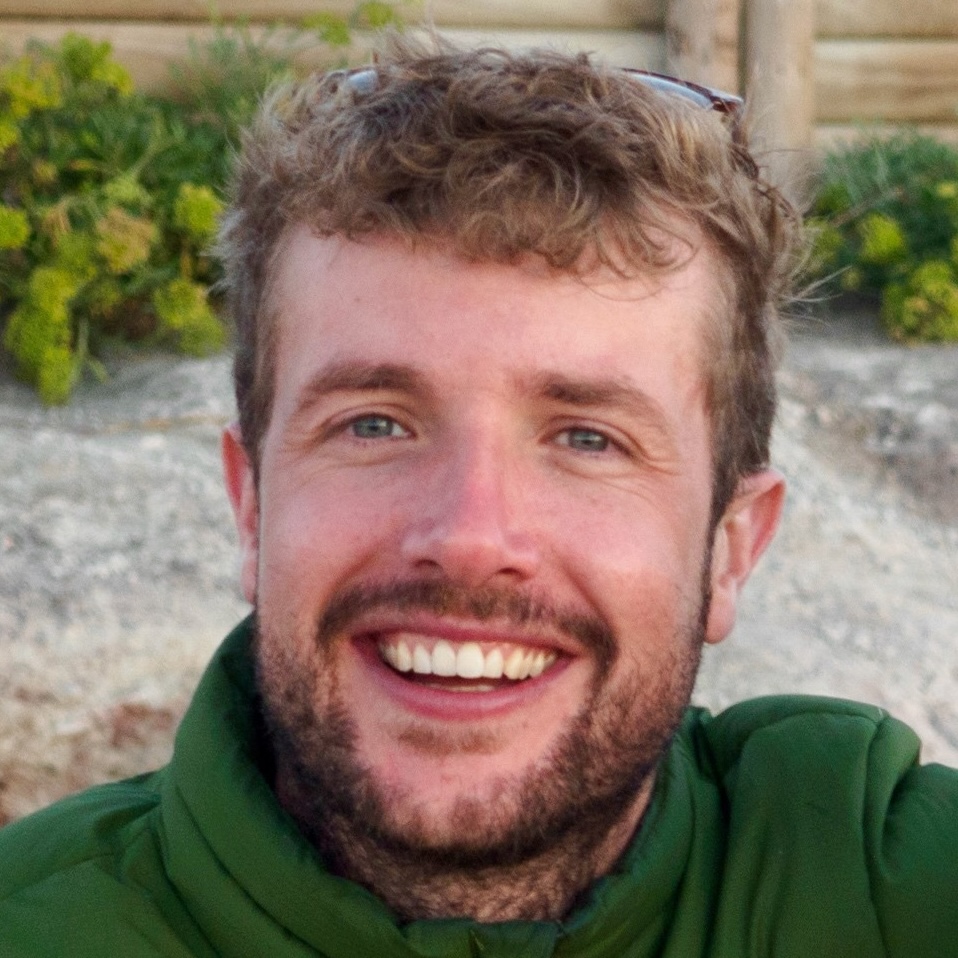
Thomas Fryer is an MIT-Novo Nordisk Artificial Intelligence Postdoctoral Fellow whose work takes an interdisciplinary approach using directed evolution techniques usually applied to therapeutic protein discovery to solve complex problems. His doctoral research involved building an ultra-high throughput fully in vitro therapeutic protein phenotypic screening platform using droplet-based microfluidics, with the aim of significantly expediting drug discovery by enabling relevant cellular assays to be carried out far earlier in the discovery phase. As a postdoctoral fellow, he seeks to establish a fully automated, multiplexed, and rapid technology platform that could autonomously optimize proteins across multiple parameters through a combination of lab robotics, synthetic biology, and artificial intelligence. His goal is to address issues of time, cost, instability, and animal use that surround binding protein discovery, particularly in the context of therapeutics and disease areas where antibody-based therapies are often prohibitively expensive. Thomas’s research has the potential to advance binder discovery to the point it becomes a routine, cheap, and rapid procedure requiring little to no human input or animal use, akin to the rapid and automated DNA synthesis tools we have today.
Clarice Hong
- Department
- Biological Engineering
- Research Advisor
- Anders Sejr Hansen
- Education
- PhD in molecular genetics and genomics, Washington University in St. Louis; BSc in life sciences, National University of Singapore
- Fellowship
- Novo Nordisk
Clarice Hong is an MIT-Novo Nordisk Artificial Intelligence Postdoctoral Fellow whose research focuses on understanding how different cell types are encoded by the same genome and how gene expression programs are robustly activated and maintained. Her doctoral research explored how cis-regulatory elements regulate gene expression using a variety of massively parallel reporter gene-based assays. Although this work generated sufficient data to build quantitative predictive models of gene expression, measuring only gene expression was not sufficient for understanding the mechanisms underlying cis-regulatory interactions. As a postdoctoral fellow, she will approach this question from the perspective of 3D genome structure, applying machine learning models trained on low-resolution 3D genome maps and epigenomic data to predict 3D contact maps at high resolution across the genome in a cell-type specific manner. This innovative approach could solve one of the biggest problems in obtaining high-resolution human genome maps, which typically require enormous sequencing at great cost. Her work holds the potential to unlock the complex, cell-type-specific rules of gene regulation using the powerful tools of machine learning methods.
Mohammad Tariqul Islam
- Affiliation
- MIT Media Lab
- Research Advisor
- Deblina Sarkar
- Education
- PhD in electrical and computer engineering, Princeton University; MSc and BSc in electrical and electronic engineering, Bangladesh University of Engineering and Technology
- Fellowship
- Novo Nordisk
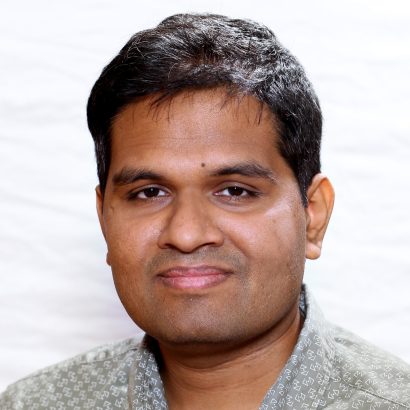
Mohammad Tariqul Islam’s research is focused on employing AI to develop next-generation biomedical applications, including nanotechnologies. Specifically, Tariq specializes in unsupervised machine learning, a field that looks for patterns in unlabeled data. In his doctoral research, he developed a new approach for analyzing chest X-rays that successfully distinguishes Covid-19 patients from healthy patients and differentiates between two distinct types of Covid response. Additionally, he developed unsupervised methods for curating large radiological datasets. As an MIT-Novo Nordisk Artificial Intelligence Postdoctoral Fellow, he aims to create innovative algorithms specifically tailored for nano-electronic and bio-hybrid systems. To accomplish this, he will develop algorithms to identify related groups within data, with a particular focus on neighbor relations and topology-preserving approaches. Tariq’s work holds exciting potential to bridge the field of AI with next-generation nanodevices and improve diagnosis, treatment, and understanding of human disease.
Johannes Lachner
- Department
- Mechanical Engineering
- Affiliation
- MIT Department of Brain and Cognitive Sciences

Johannes Lachner’s research focuses on applying motor neuroscience and robot control to aid individuals with neurological and physical disorders. More specifically, he is developing personalized robot-aided rehabilitation systems that could improve the therapy provided to stroke survivors and relieve caregivers from physically demanding work. In his doctoral research, he applied differential geometric methods to achieve stable, safe, and efficient control of robots interacting with people and the environment.
Herui Liao
- Research Advisor
- Tami Lieberman
- Education
- PhD in electrical engineering, City University of Hong Kong; BS in bioinformatics, Dalian University of Technology
- Fellowship
- Novo Nordisk
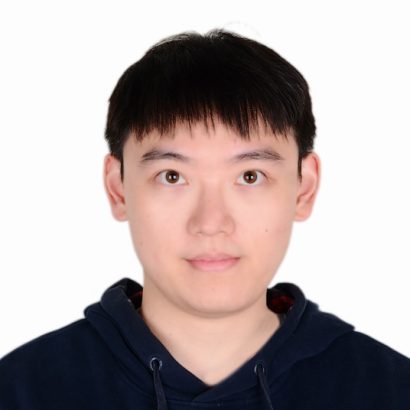
Herui Liao’s main research direction is developing sophisticated computational algorithms to achieve high-resolution composition analysis in metagenomic data. During his PhD studies, he developed and published three tools to address computational challenges in microbial studies: one identifies viral strains from next-generation sequencing data; a second provides high-resolution bacterial strain-level composition analysis for next-generation sequencing data; and a third classifies host disease status and identifies disease-related microbial biomarkers based on human gut microbiome data. As an MIT-Novo Nordisk Artificial Intelligence Postdoctoral Fellow, he will apply machine learning to update high-resolution microbial genomics pipelines and make them more tractable for a wide audience. One of these pipelines aims to construct highly accurate phylogenetic trees between closely related bacterial isolates, which is a task highly sensitive to false positive and false negative mutation calling. By applying machine learning to identify dataset-specific thresholds that distinguish real and fake maturations, Herui’s work has the potential to increase automation of this pipeline, making it accessible to less experienced users, such as microbiologists with minimal coding experience, microbiome researchers using this novel data type, as well as epidemiologists detecting outbreaks in hospital settings.
Babak Mahjour
- Department
- Chemical Engineering
- Research Advisor
- Connor Coley
- Education
- PhD in medicinal chemistry and BSE in chemical engineering, University of Michigan
- Fellowship
- Novo Nordisk
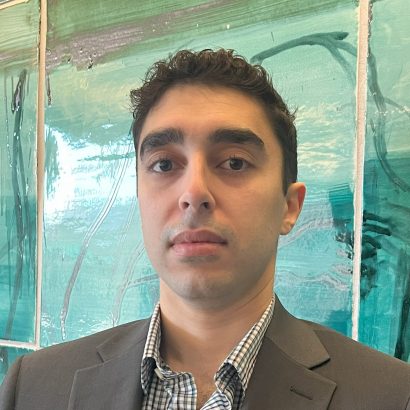
Babak Mahjour is an MIT-Novo Nordisk Artificial Intelligence Postdoctoral Fellow whose research interests lie in uniting chemical synthesis, data science, and engineering to drive translational studies. As part of his doctoral studies, Babak developed phactor, a software that facilitates the performance and analysis of high throughput experiments in a chemical laboratory. This tool enables users to access online reagent data and to procedurally generate multiplexed reaction array protocols that can be downloaded as human-readable instructions or as robotic executables. As a postdoctoral fellow, Babak seeks to develop protocols that accelerate the synthesis and evaluation of potential small molecule therapeutics. This will be achieved by linking synthetic campaigns with biological assays within a framework centered around a robotic infrastructure. Central to this work will be the development of robust, high-throughput, and assay-amenable high-value methodologies as well as the invention of novel reactivities. His work holds tremendous promise to advance the development of impactful treatments for various diseases and to promote sustainable chemistry practices in drug discovery.
Adi Millman
- Department
- Biological Engineering
- Research Advisor
- Michael Laub and Sergey Ovchinnikov
- Education
- PhD and MSc in life sciences, Weizmann Institute of Science; BSc in biology, Tel Aviv University
- Fellowship
- Novo Nordisk
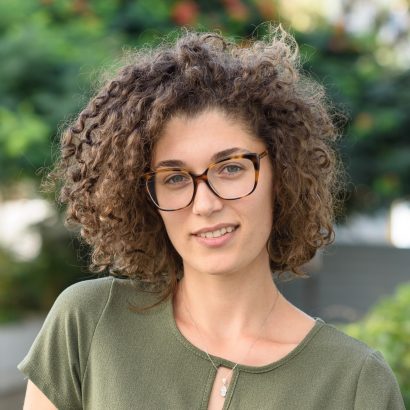
Adi Millman’s research is focused on the interactions between bacteria and the viruses that infect them called bacteriophages (phages). Specifically, Adi seeks to illuminate how phages shape the gut microbiome and expose their contribution to bacterial adaptation to different conditions in the gut. In her doctoral research, Adi identified novel bacterial anti-phage defense systems and discovered a role for bacterial retrons, a breakthrough in microbiology. As an MIT-Novo Nordisk Artificial Intelligence Postdoctoral Fellow, her goal is to elucidate how phages influence the bacterial composition of the gut by using large longitudinal microbiome data. This work will employ a variety of tools, including AI and differential network analysis, to understand how phages influence the microbiome’s trajectory and to develop predictive models. Her research holds the potential to unearth pivotal insights into the ecological and evolutionary forces at play within the gut microbiome while aiding in the differentiation of microbiome dynamics in health and disease. As of September 2024, Adi departed the program but will remain at MIT through an external three-year fellowship.
The MIT-Novo Nordisk Artificial Intelligence Postdoctoral Fellows Program invites visionary researchers to redefine what’s possible at the intersection of AI, data science, and the life sciences.