MIT Celebrates 2026 School of Engineering and Schwarzman College of Computing Advanced Degree Ceremony
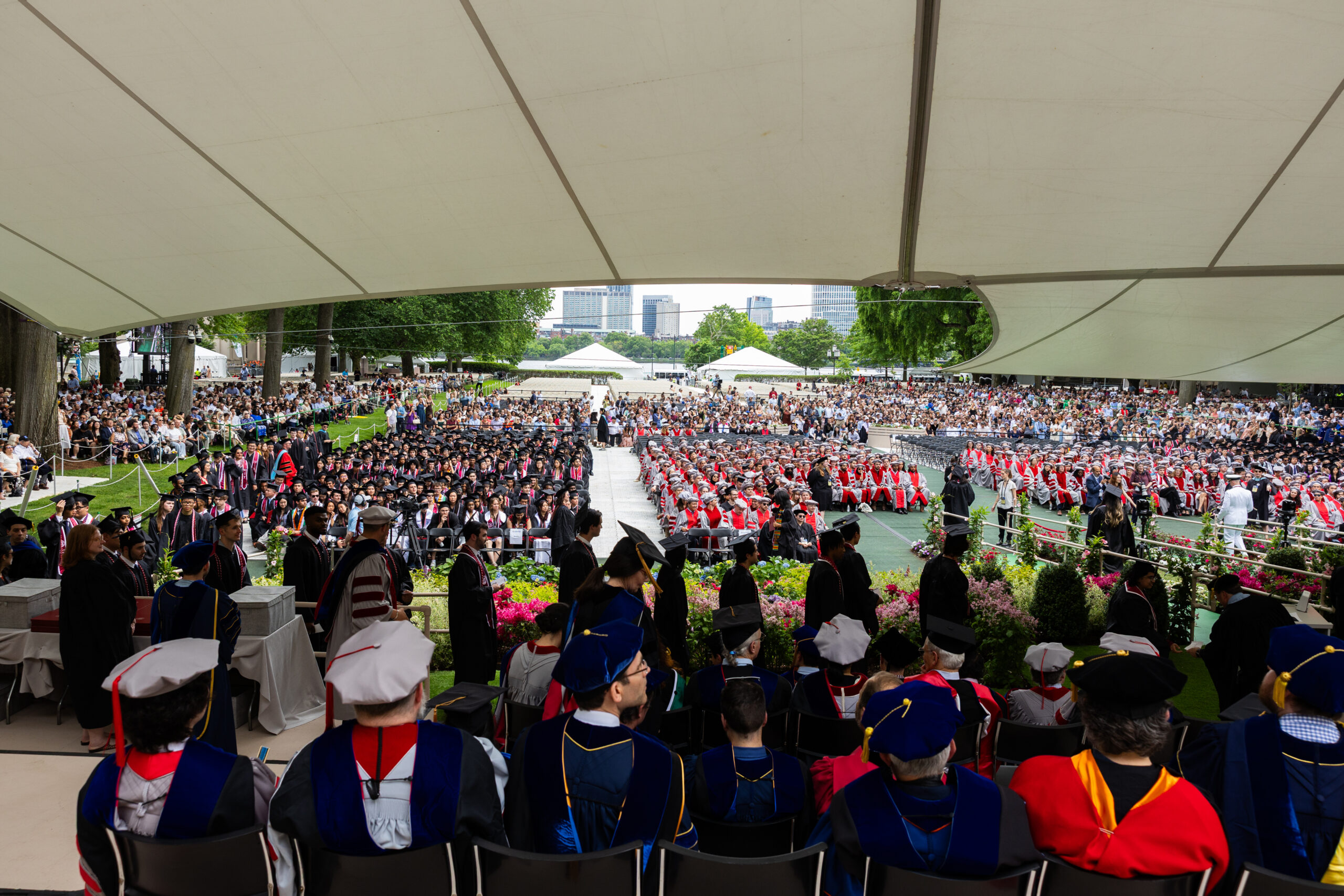
The MIT School of Engineering and Schwarzman College of Computing held their 2026 Advanced Degree Ceremony on Killian Court on May 27.
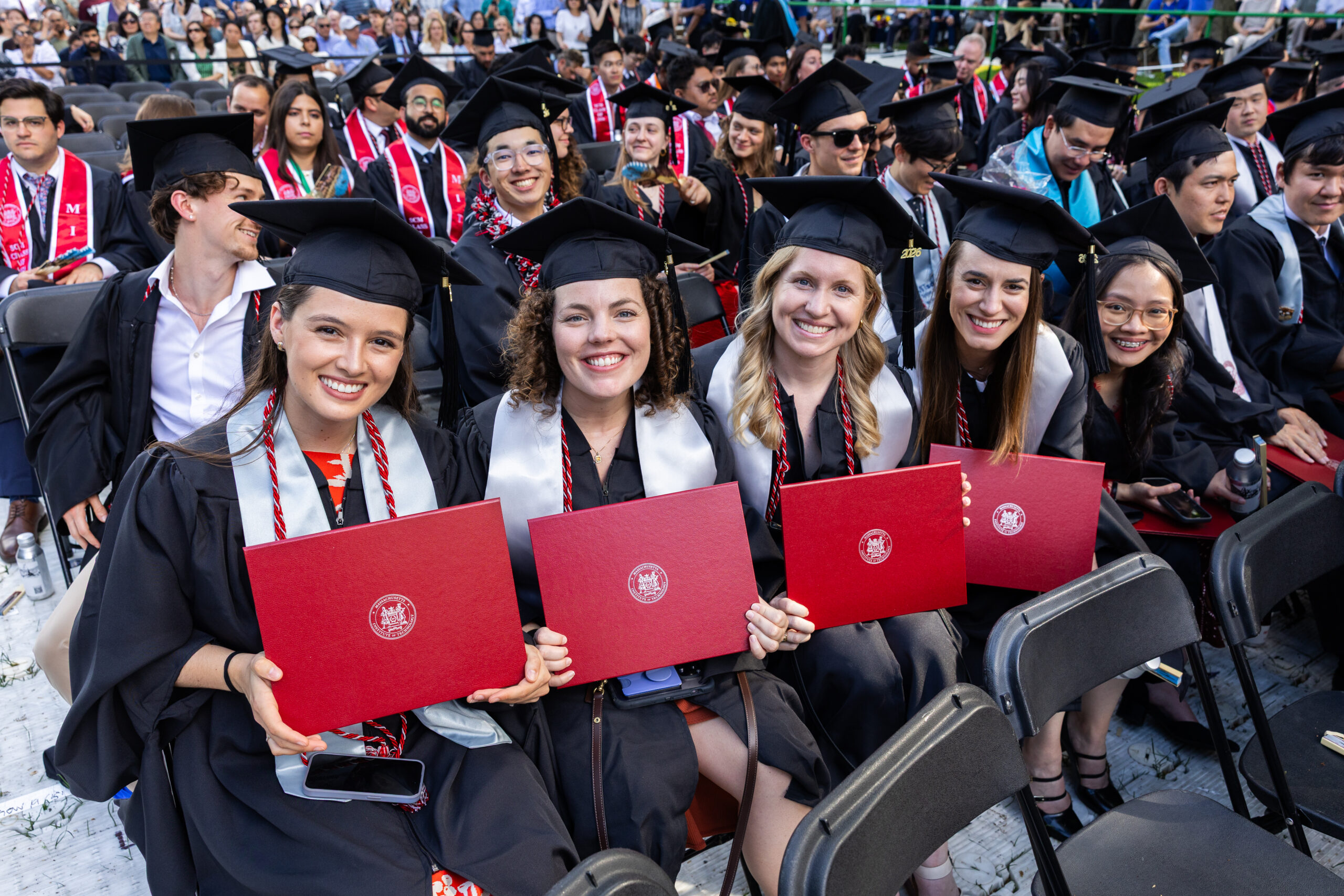
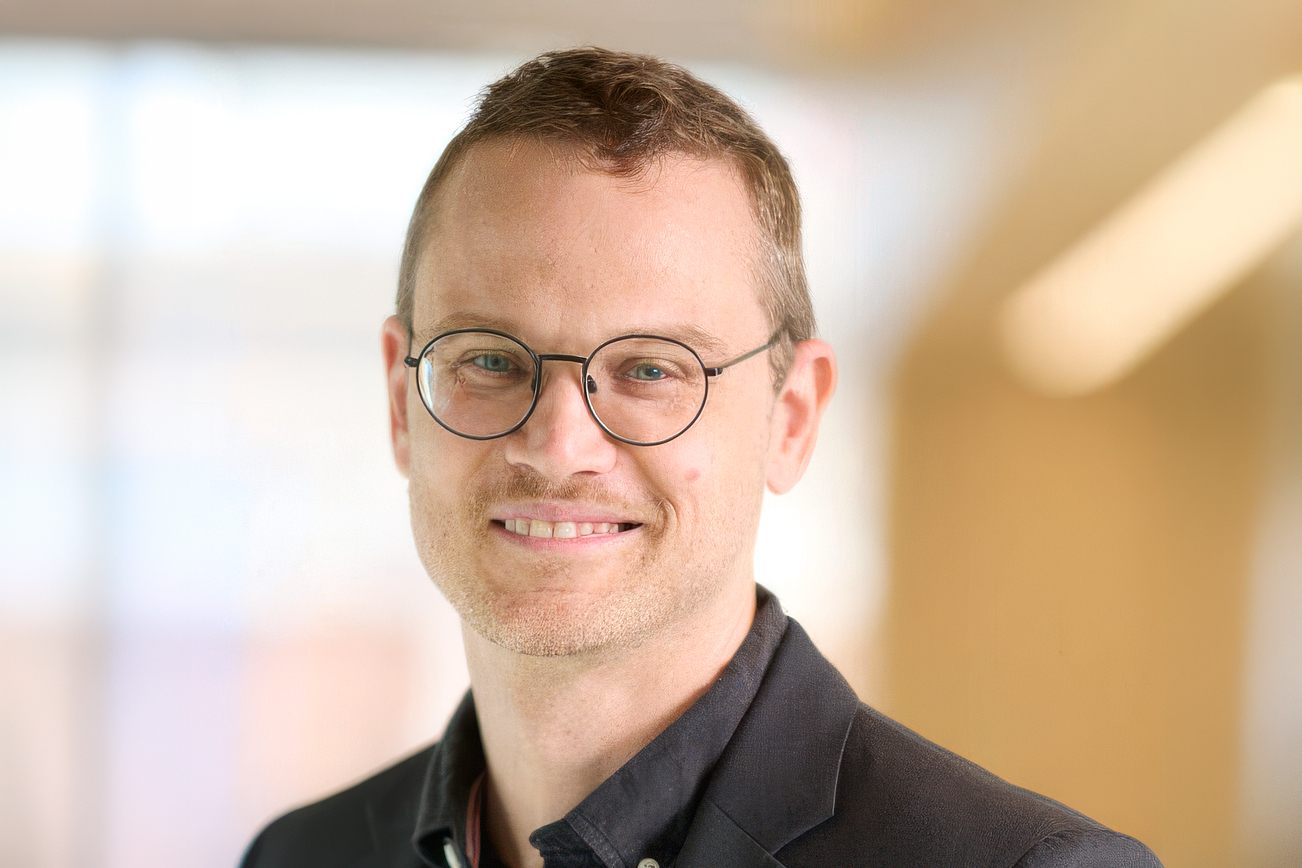
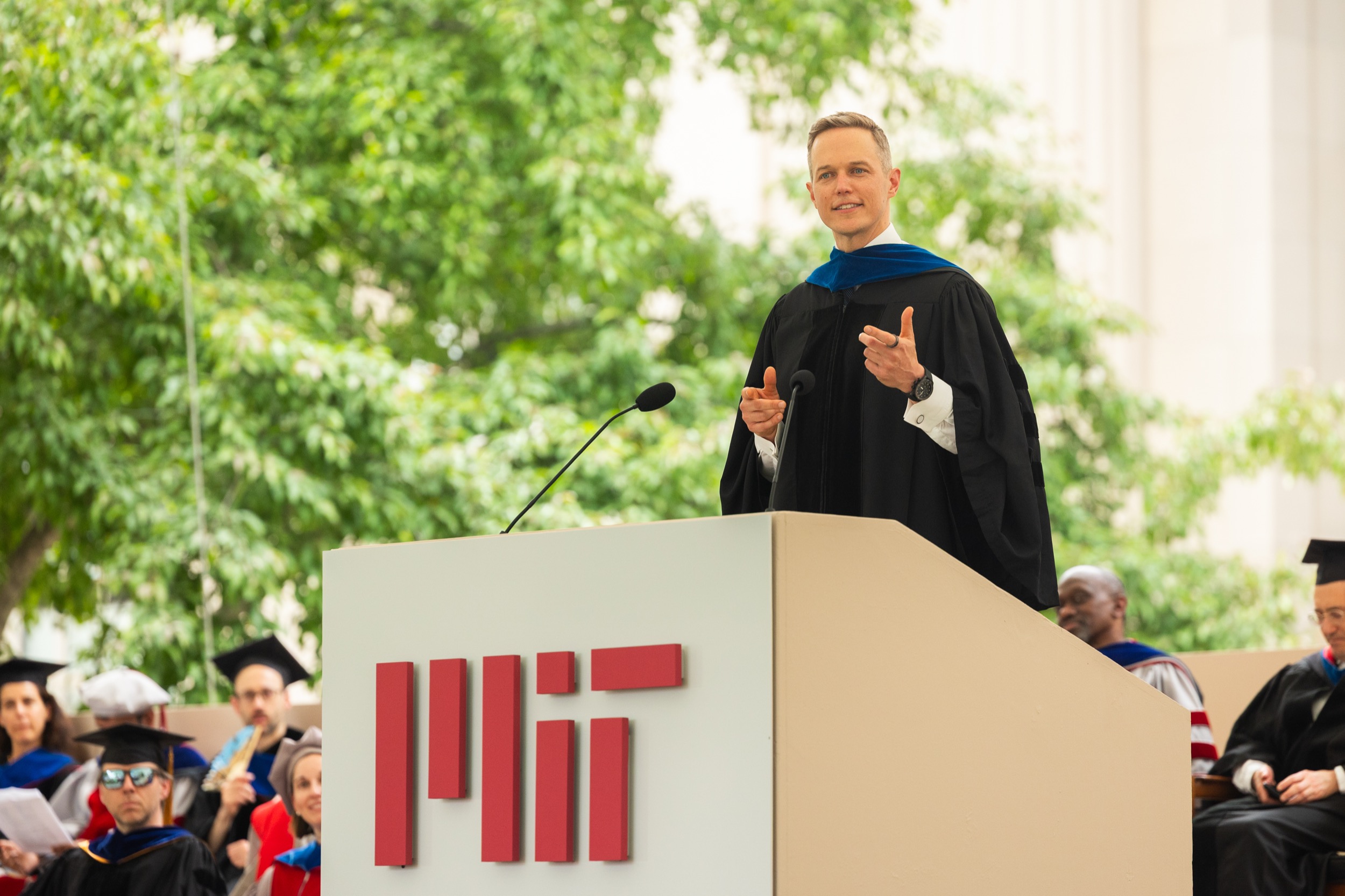
With 1,343 graduates alongside faculty members and numerous friends and family in attendance, the ceremony featured a speech from Dr. Geoffrey von Maltzahn ’03, PhD ‘10, who received his undergraduate degree from the MIT Department of Chemical Engineering, a master’s degree in bioengineering from the University of California, San Diego, and his PhD in biomedical engineering and medical physics from the Harvard-MIT Program in Health Sciences and Technology.
An inventor on more than 200 patents and patent applications, von Maltzahn is now the co-founder and CEO of Lila Sciences.
In his speech, von Maltzahn urged graduates to allow themselves to feel “disturbed” enough to pursue challenges and push out of their comfort zones.
“The phases in which we are disturbed, which are so difficult to move through, become beautifully vivid in hindsight. I can still feel myself running down a hallway at two in the morning after an experiment finally broke my way. The twinkle in your eyes today was lit by the fire of challenges that became your victories,” he said.
Von Maltzahn has co-authored twenty peer-reviewed publications and is widely known for his visionary leadership as a successful founder. Over the course of his career, von Maltzahn helped launch many startups across artificial intelligence, biotechnology and biomedical sciences.


These ventures have developed a treatment for C. difficile— a recurring infection that kills tens of thousands of people a year, agricultural innovations used on millions of acres of farmland, medicines with the potential to cure genetic diseases, the first generative AI-created antibodies to reach the clinic, and more.
While addressing the class of 2026, von Maltzahn lamented that he did not attend his own doctoral degree graduation, believing his work on a startup was more important than the ceremony.
“You have made the wiser choice. You are here, on an important day, with the people who love you, in a place of great meaning. That is wisdom I did not have,” he said. “Today, I have come to realize is a kind of family reunion. Nearly every professor who mentored you, friend who inspired you, and family member who kept you aloft is holding you in their hearts right now, from here or afar.”
He went on to emphasize the importance of “taking in” the ceremony and spending the day “simply receiving the fact that you earned this,” while also encouraging graduates not to let the world “quietly ease you away from your dreams of doing bold and important things.”
“The world will lull you toward the shores more often than it will disturb you to go further. It will punish you for failure at sea while ignoring the greater sin of accepting mediocrity on land,” he said. “It will tempt you to believe that the only safe choice is retreating to terra firma. I would argue the opposite: the greatest risk is that you might succeed at things that do not matter. That you might work on things that did not need your brilliance. Do not let MIT’s effect on you stop just because you are no longer here. Find rooms where you are stretched. Find people who sharpen you. Find work that humbles you. Protect your thirst.”
He concluded the speech with encouragement for the class of 2026 as they embark on an exciting next step in their journeys.
“A part of you is surely frightened by the uncertainty ahead, by this moment in time, and by the prospect of pushing into wider seas on your own. But you are also entering science, computing, and engineering at the most extraordinary moment in their young histories. The field of modern computing is not yet a hundred years old. The fraction of the universe that we understand rounds down to zero very easily. You are not standing at the end of a tradition. You are setting sail near its beginning.”
The ceremony was led with remarks from Paula Hammond ’84, PhD ’93, dean of the School of Engineering and an Institute Professor of chemical engineering.
“You came to MIT and made it more special – contributed to it in your own unique way. Now as you go out into the world, you bring a piece of MIT with you. But more importantly, the world gets to have you. All those qualities you bring that made MIT special are now headed out into communities, industries, and fields that need exactly what you have to offer,” Hammond said.
The ceremony concluded with comments from Dan Huttenlocher, dean of the Schwarzman College of Computing.
“MIT is a quirky place, brimming with extraordinary individuals who have relentless curiosity, remarkable skills, and deep passion. It’s a place where challenges are embraced, tough problems become obsessions, and people never stop pursuing solutions in service of the nation and the world,” Huttenlocher said.
The 2026 graduates of MIT’s School of Engineering and Schwarzman College of Computing in numbers:
- Master’s (SM, MAP, ScD): 576
- PhD: 432
- MEng (MNG): 333
- Engineer (ENG, standalone): 2