MIT’s School of Engineering offers more than 20 undergraduate majors, ranging from traditional engineering fields like mechanical and civil engineering to interdisciplinary programs that blend computer science, biology, economics, and beyond.

Academic Departments
Our eight academic departments represent the core disciplines of engineering, giving students rigorous technical training and a foundation to thrive in any field or industry they choose.

- Aeronautics & Astronautics Course 16
- Biological Engineering Course 20
- Chemical Engineering Course 10
- Civil & Environmental Engineering Course 1
- Electrical Engineering & Computer Science Course 6
- Materials Science & Engineering Course 3
- Mechanical Engineering Course 2
- Nuclear Science & Engineering Course 22
Student Spotlights

Kayode Dada
-
Year
Senior
-
Major
-
Focus Area
Game design — board and trading card games, with an emphasis on how game mechanics can drive social interaction and community building

Brian Robinson
Senior
-
Major
Aerospace Engineering and Political Science
-
Service
-
Focus Area
Technical and practical issues related to autonomous systems, including the design and capabilities of unmanned aerial vehicles (UAVs)

Katie Spivakovsky
-
Major
Biological Engineering and Artificial Intelligence
-
Minor
Mathematics and Biology
-
Awards
Churchill Scholarship
-
Focus Area
Developing robust, scalable solutions that promote equitable health outcomes.
-
Lab

Sean Luk
Senior
-
Department
-
Research Project
Helps design proteins that spur the immune system to fight cancer and other diseases.
-
Extracurriculars
MIT Women’s Soccer Team; Co-founded EasyComm,
an online game platform that helps children with Down syndrome work on verbal communication with support from Sandbox -
Lab
UNDERGRADUATE RESEARCH
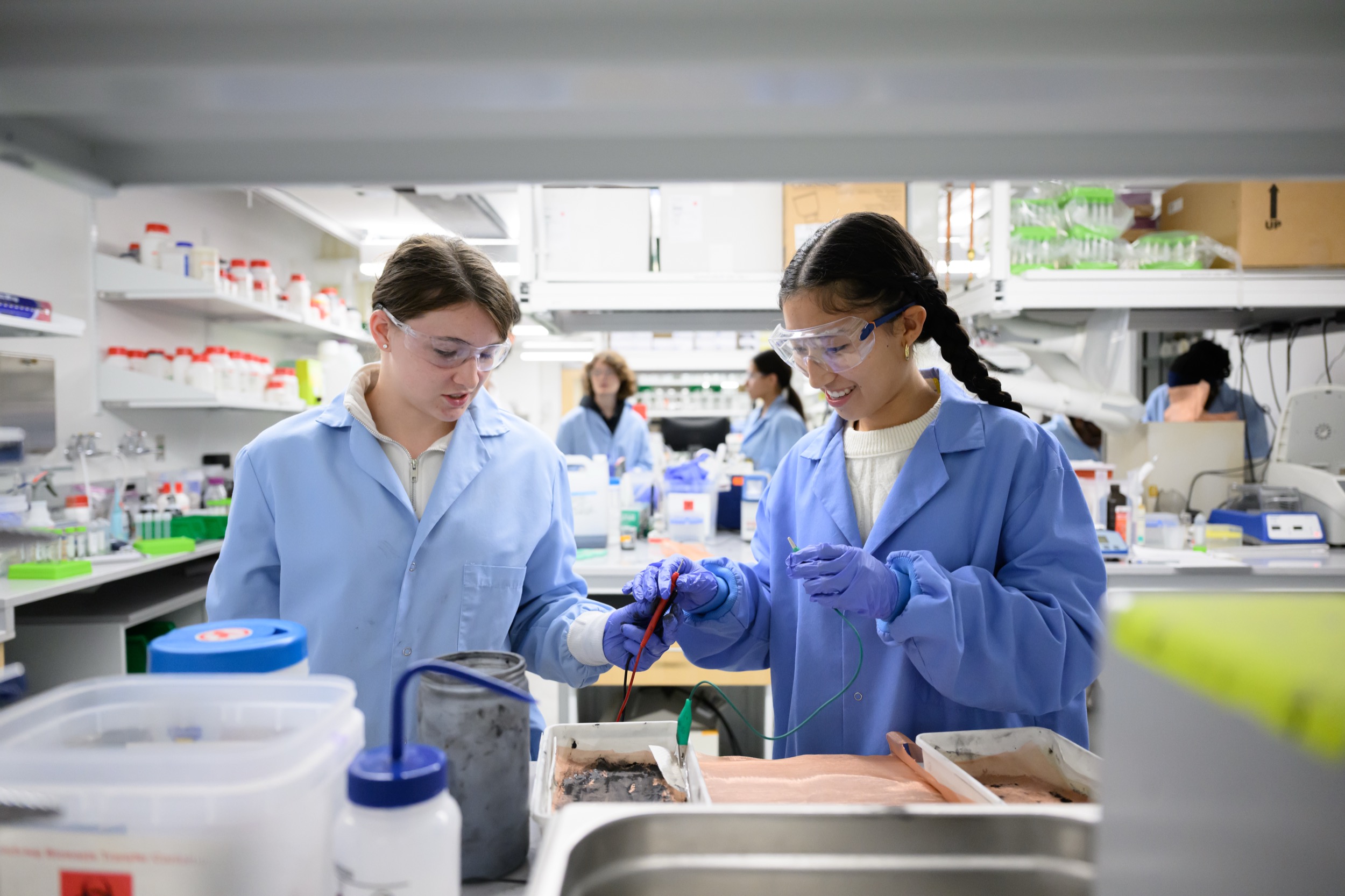
Through research opportunities, our undergraduates tackle real problems early and often. They test, iterate, and build alongside faculty and peers, gaining not only technical mastery but the confidence to turn ideas into impact.
What Are You Working On?
Life at MIT
The MIT Community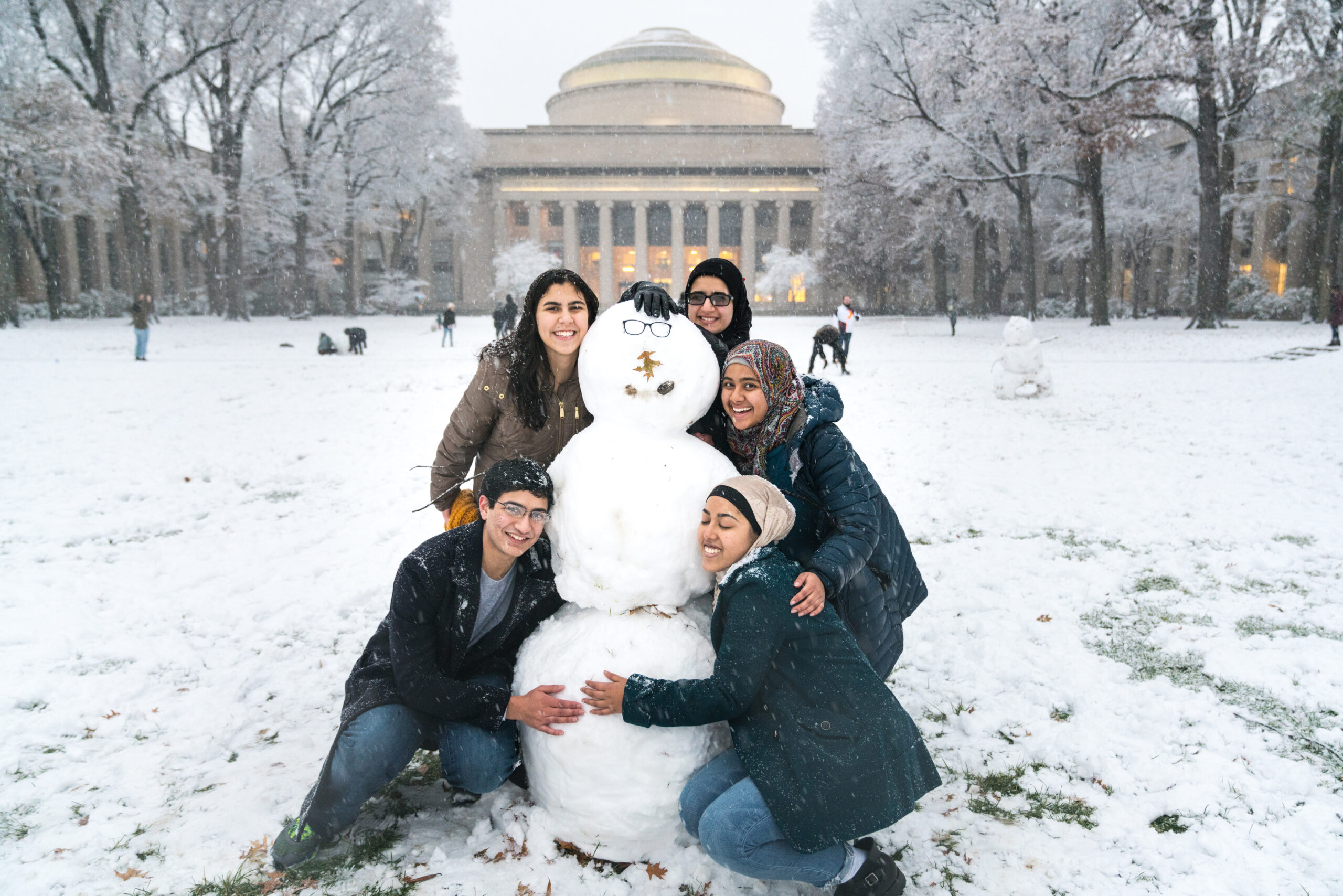

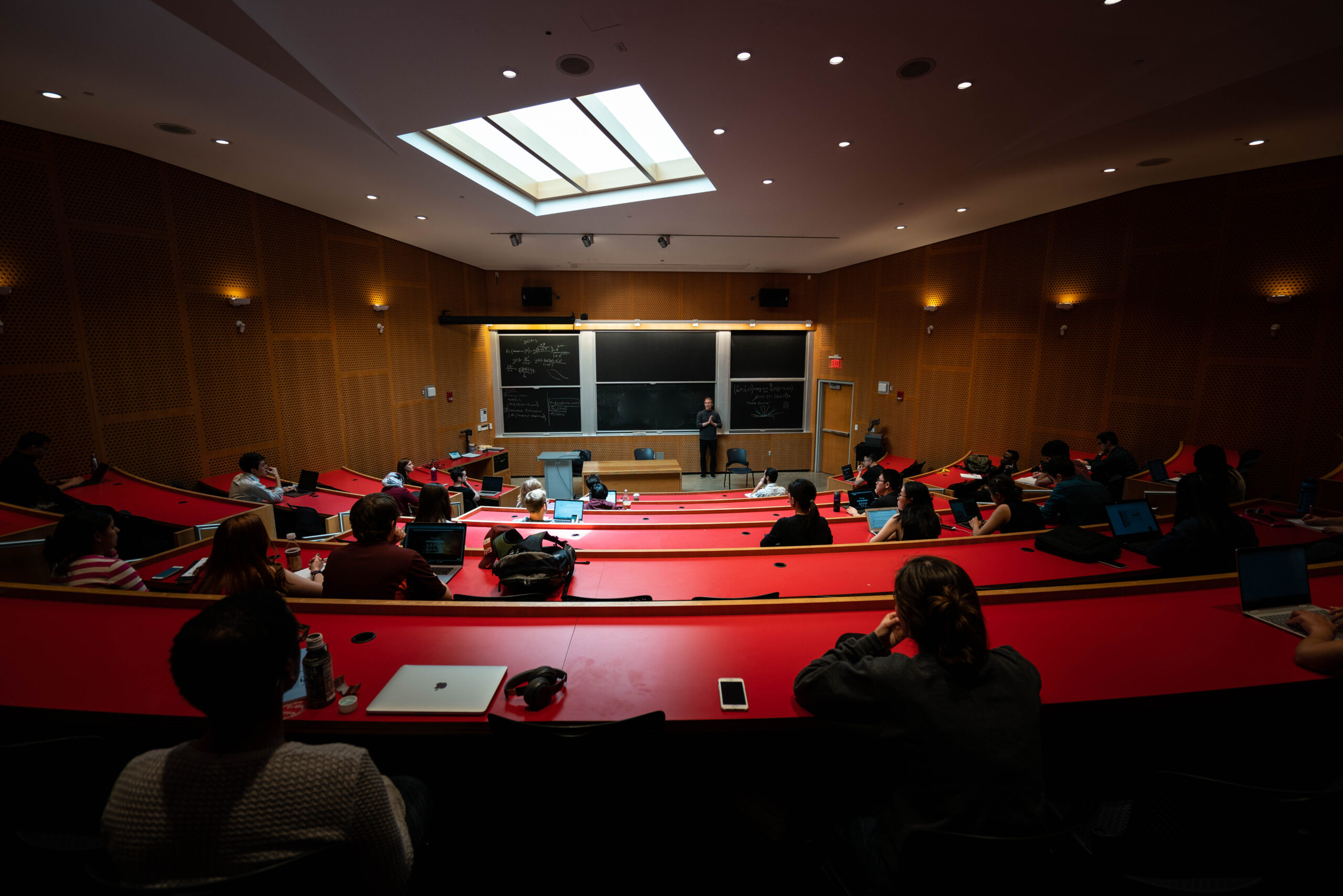

CERTIFICATE PROGRAMS
Engineering certificate programs let undergraduate students customize their education and dive deeper into what excites them most—whether that’s sustainability, entrepreneurship, or computing.
Innovation and Entrepreneurship
Many members of the engineering undergraduate community bring an entrepreneurial spirit to everything they do — and the Institute’s powerful innovation ecosystem helps their ideas take shape. Through hands-on programs, funding opportunities, and mentorship, our students, faculty, postdocs, and staff work with some of the brightest minds in industry, connect with potential funders, sharpen their business acumen, and gain the support to turn bold ideas into lasting impact.
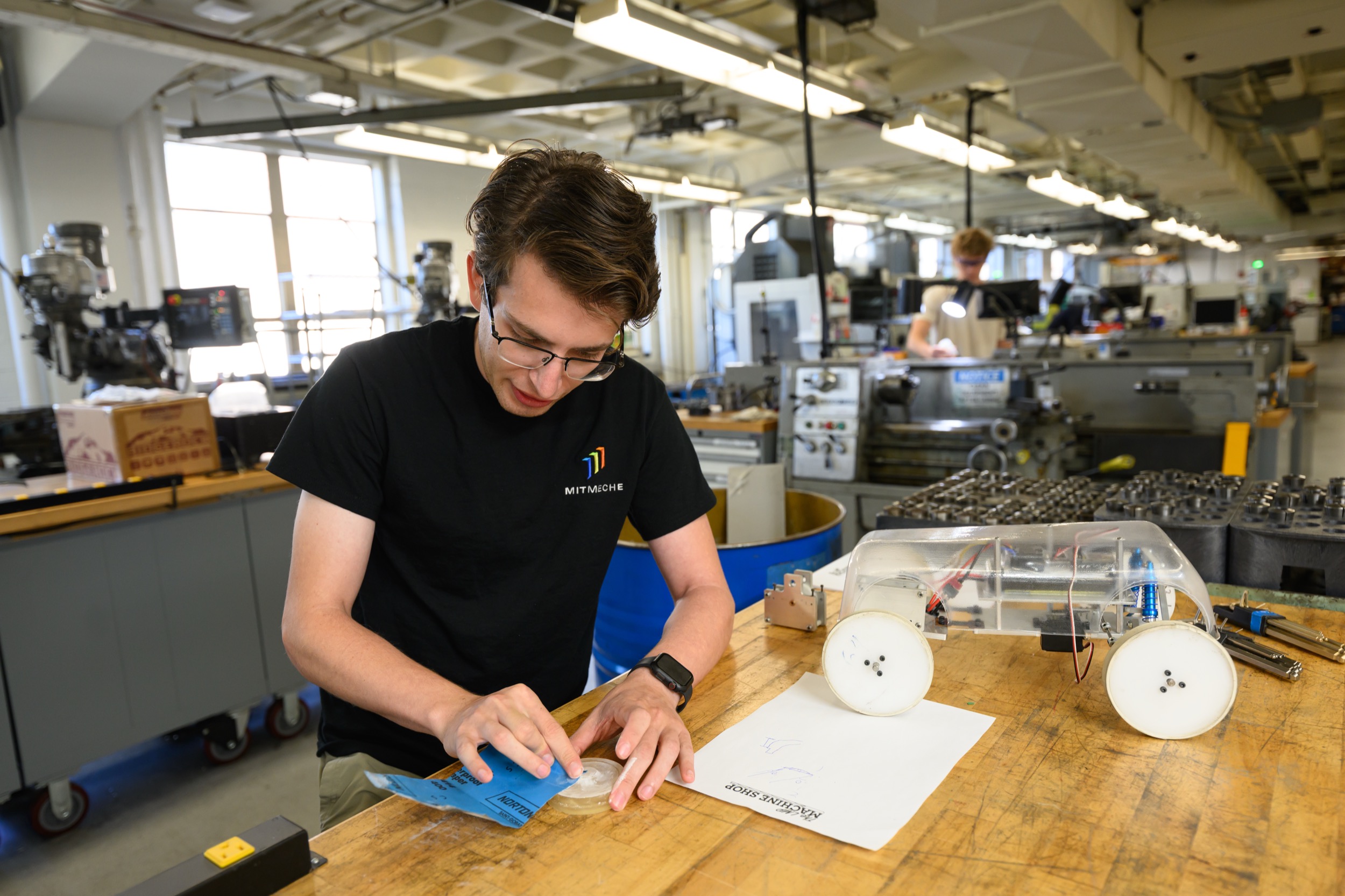
MAKERSPACES
Across more than 40 makerspaces, MIT provides the tools, technologies, and training to turn imagination into invention. From rapid prototyping to advanced fabrication, these spaces fuel discovery, making, and hands-on learning. Spanning more than 130,000 square feet, they support projects that bridge disciplines—from robotics and materials science to biomaking and design.

PROFESSIONAL DEVELOPMENT AND LEADERSHIP
At the MIT School of Engineering, technical expertise goes hand in hand with leadership and professional growth. Through a range of programs, undergraduates can build the skills and confidence to lead effectively and pursue any career path with clarity and purpose.
Admissions
MIT Admissions
MIT Admissions oversees the application process for students applying for first-year and transfer undergraduate admissions. Most MIT students declare a major in the spring of their first year, though some wait until the end of the sophomore year to select their field of study.
