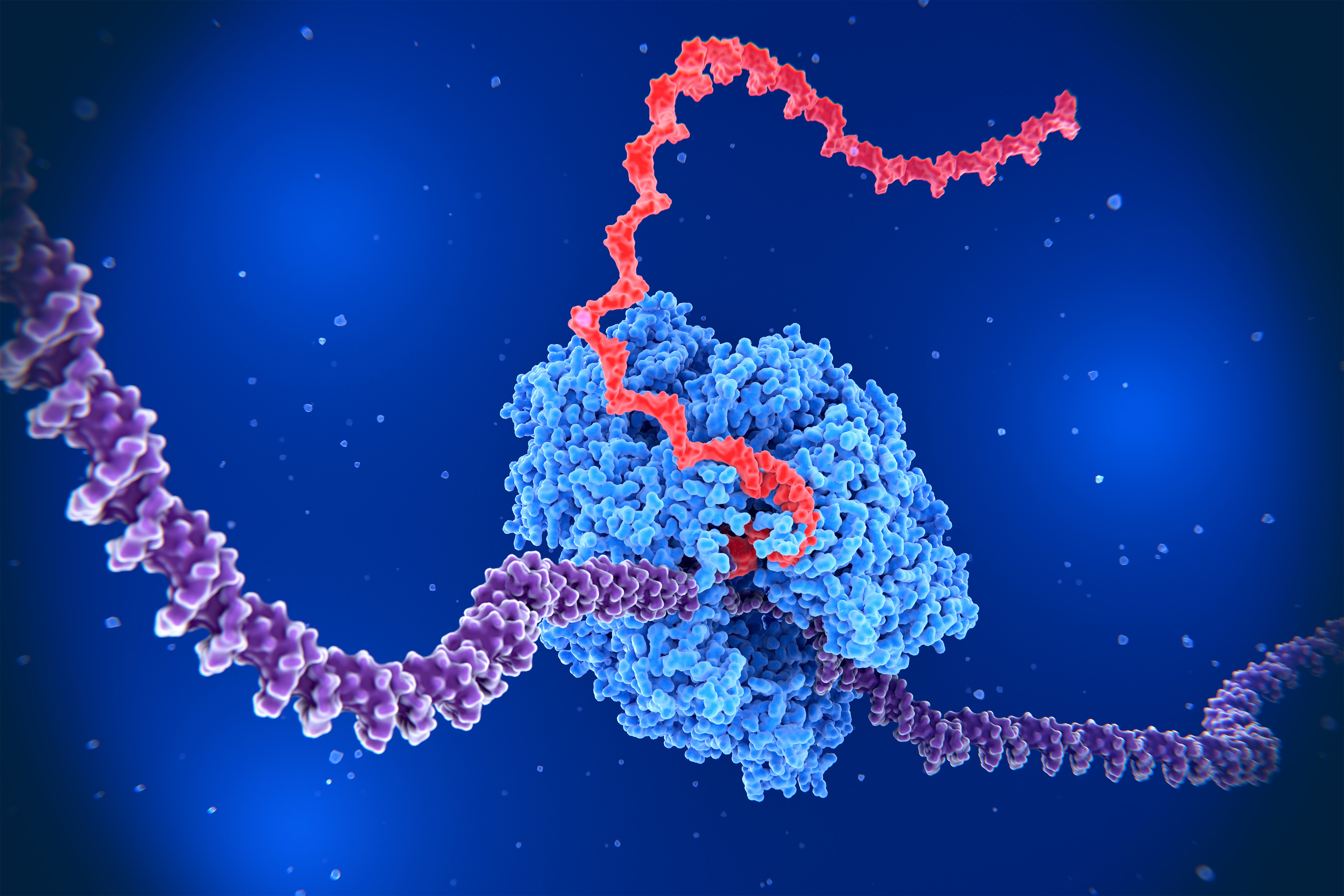





MIT researchers find new immunotherapeutic targets for glioblastoma
A study profiling antigens presented on immune and tumor cells in co-culture points to new strategies for attacking a treatment-resistant and deadly brain cancer.
A new way to deliver antibodies could make treatment much easier for patients
Therapeutic antibodies packaged into microparticles could be injected with a standard syringe, avoiding the need for lengthy and often uncomfortable infusions.
A new approach to carbon capture could slash costs
Chemical engineers have found a simple way to make capturing carbon emissions from industrial plants more energy-efficient.
New materials could boost the energy efficiency of microelectronics
By stacking multiple active components based on new materials on the back end of a computer chip, this new approach reduces the amount of energy wasted during computation.
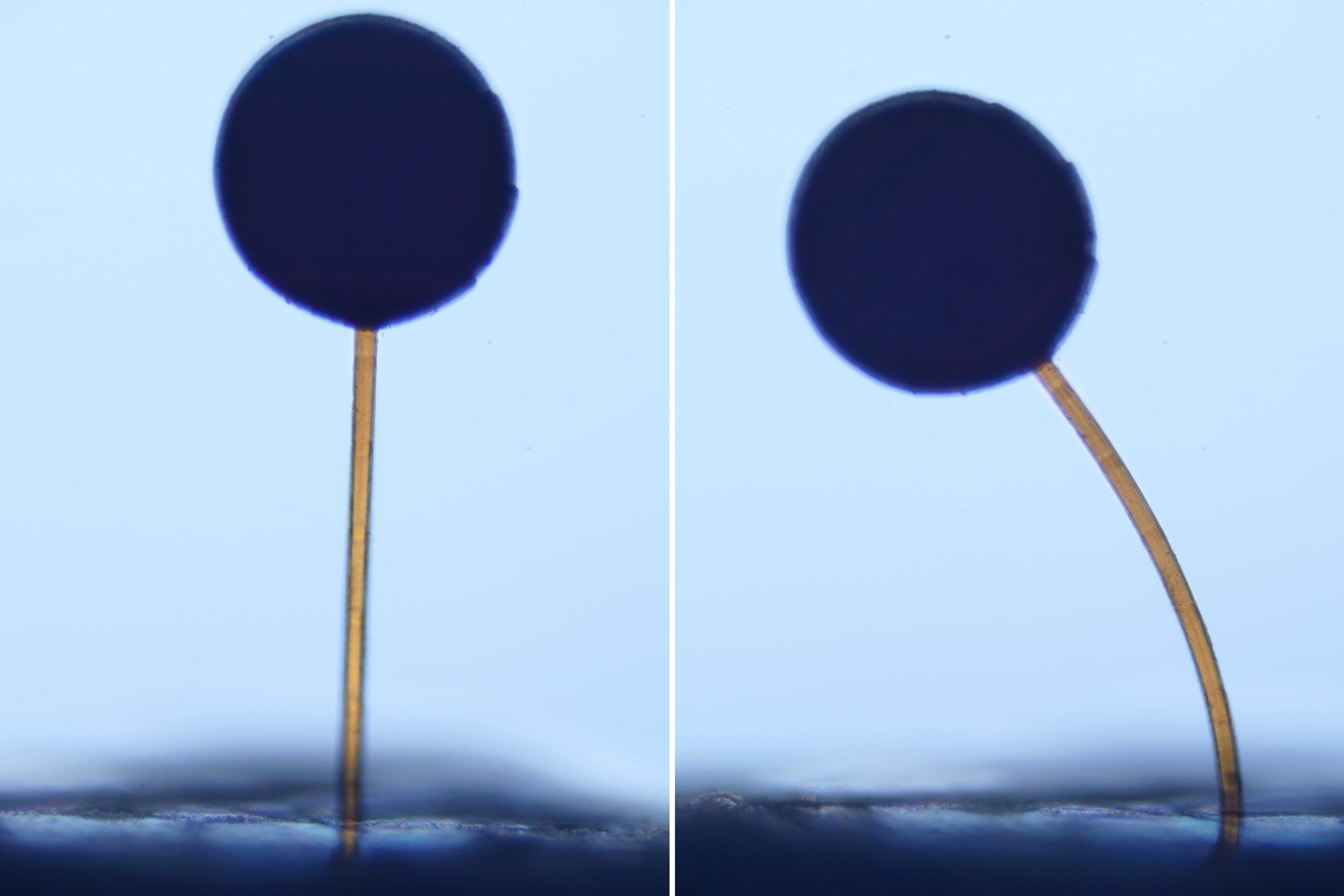
Vine-inspired robotic gripper gently lifts heavy and fragile objects
The new design could be adapted to assist the elderly, sort warehouse products, or unload heavy cargo.
Jennifer Lewis ScD ’91: “Can we make tissues that are made from you, for you?”
In the 2025 Dresselhaus Lecture, the materials scientist describes her work 3D printing soft materials ranging from robots to human tissues.
Resurrecting an MIT “learning by doing” tradition: NEET scholars install solar-powered charging station
The project was designed and built with novel “bio-composite” materials developed by the student team.
Pompeii offers insights into ancient Roman building technology
MIT researchers analyzed a recently discovered ancient construction site to shed new light on a material that has endured for thousands of years.
MIT affiliates named 2025 Schmidt Sciences AI2050 Fellows
Postdoc Zongyi Li, Associate Professor Tess Smidt, and seven additional alumni will be supported in the development of AI against difficult problems.
Prognostic tool could help clinicians identify high-risk cancer patients
Using a versatile problem-solving framework, researchers show how early relapse in lymphoma patients influences their chance for survival.